

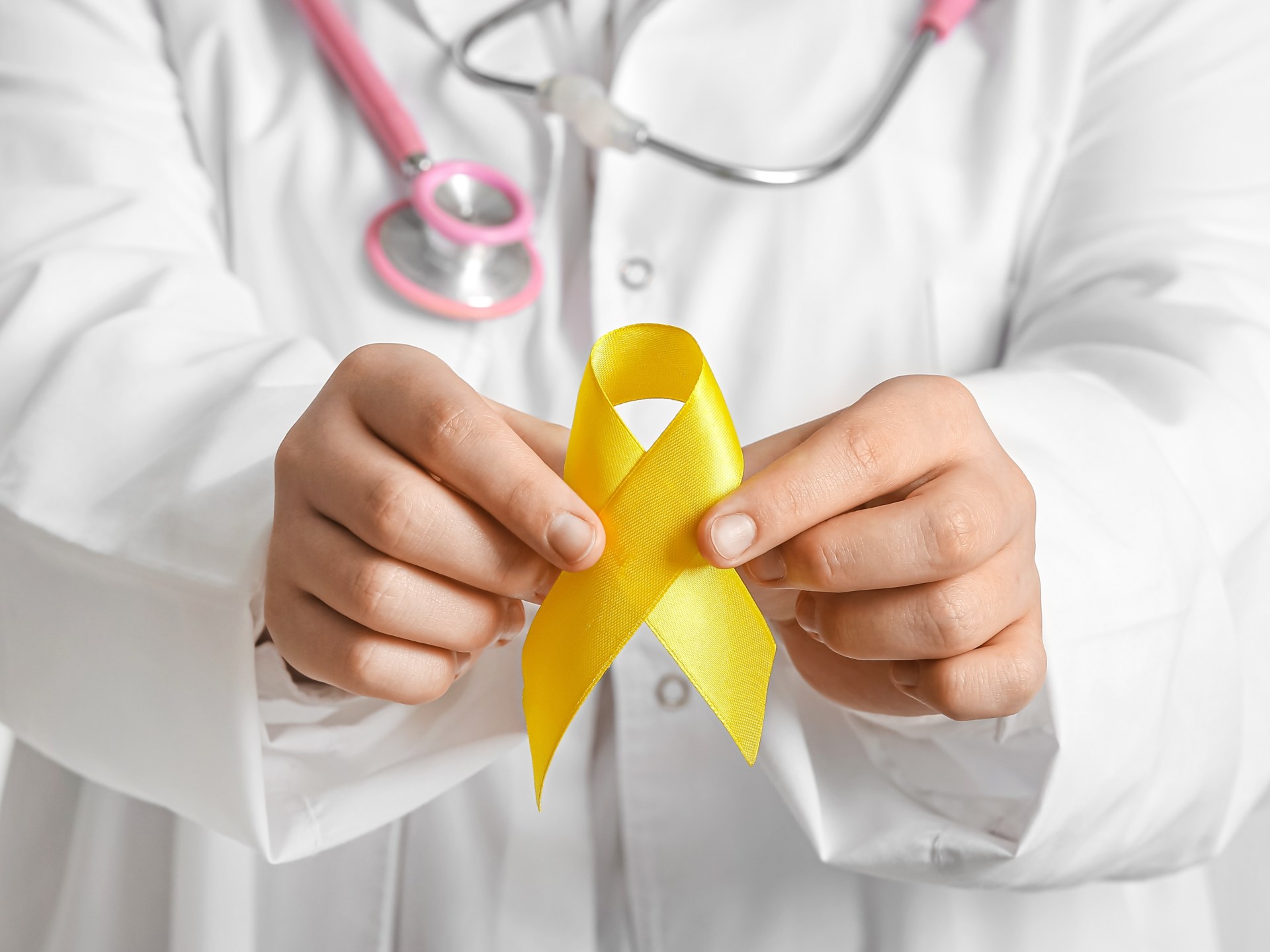
Carters such as breast, lung and prostate cancer dominate public discussions, but there are much less famous cancers, but they are equally aggressive, one of these cancers is sarcoma.
Sarkoma is one of the most difficult types of cancer in diagnosis and treatment, and it constitutes a major threat to those infected, and with the approaching month of awareness in July, the focus turns into this submerged disease.
The term sarcoma summarizes a complex group consisting of more than 70 different types of cancers that arise from the tissues that form the organs of the body, regardless of its location.
These rare cancer constitute 1-2% of adult cancer in the world, and represent 6-15% of children’s cancer (less than 15 years) and 11% of teenagers and youth (15 to 29 years) according to studies.
What is sarcoma?
“With regard to breast, lung and intestinal cancer, it is very clear from the word, while the word sarcoma does not indicate anything. Sarcoma is cancer that affects the parts that form the body, such as nerves, bones, blood vessels and fat cells,” says nurse Helen Stadling of the British Independent newspaper.
Helen chaired the National Saroma Forum in the United Kingdom, a group dedicated to health experts who work with sarcoma patients.
There are many sub -types of sarcoma, but they are generally classified into two main categories, Helen explains: “The main types are bone sarcoma and soft tissue sarcoma, the most common soft tissue sarcom Population.
What are the symptoms of sarcoma?
Helen notes that “the main sign of the soft tissue sarcoma is the appearance of a variable or growing mass. Benin blocks are very common, but on anyone who suffers from a mass in the soft tissue anywhere in the body grows and changes to conduct an examination of it.”
Bone pain or swelling is the main symptom of bone sarcoma, and tends to exacerbate at night.
“There are many causes of joint and bone pain, but if you suffer from bone pain, it cannot be returned to any kind of injuries, and does not hide pain relievers or the like, and the pain wakes up at night, this is a warning sign.”
Helen shows that the tumors of the digestive system are somewhat more difficult, because it rarely sees anything from it, and it is likely to appear with more accurate signs such as bloating or blood in vomiting or stool.
How is sarcoma diagnosed?
“It usually begins with a general doctor, physiotherapist, or nurse, and often it is just a mass of soft tissue growing or bone pain,” says Helen.
In the case of soft tissue sarcoma, ultrasound is usually started, and in the case of bone sarcoma, it begins with X -rays. If there is any concern about the possibility of something more dangerous, the patient is subject to an MRI examination, and once a magnetic resonance examination is performed, a biopsy should be taken, given the presence of many different sub -species that help identify them to choose the appropriate treatment.
As with most types of cancer, sarcoma can be detected in different stages, and its treatment is much easier if it is discovered early before spreading.
Surgery represents the basic treatment of sarcoma, whether soft tissue sarcoma or bone sarcoma, and the goal is to remove the tumor, with part of the healthy tissues to reduce the risk of cancer return, and sarcoma can also be treated with chemical treatment and radiotherapy, and this is often in conjunction with surgery.