

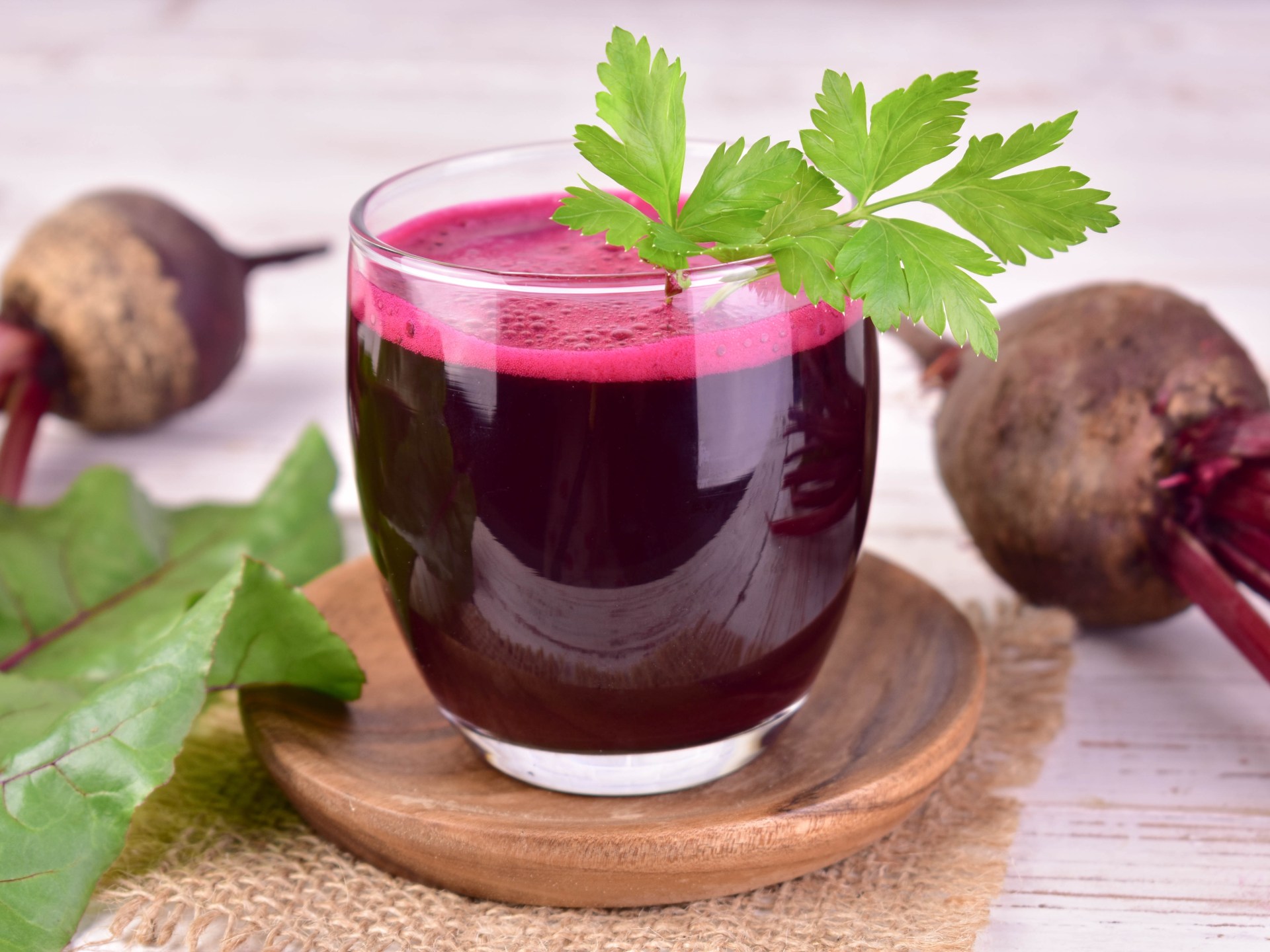
Researchers have revealed in a study that is the largest of its kind that the juice rich juice in the nitrate contributes to lowering blood pressure in the elderly through specific changes in their mouth microbium.
And oral microbium is a complex gathering of microorganisms, such as bacteria, fungi and viruses, which live naturally in the oral cavity.
This microbial amount includes different areas in the mouth, such as teeth, gums, tongue, and cheeks. Oral microbium works as a first defense line against harmful microbes that enter the body by mouth.
The study was conducted by researchers at the UK University, and its results were published in the Journal of Free Radical Biology and Medicine on July 3, and the Yorik Alrt website was written about.
Previous research showed that a diet rich in nitrate can reduce blood pressure, and then helps reduce the risk of heart disease.
The nitrates are necessary for the body, and are consumed as a natural part of a diet rich in vegetables.
When the elderly drank a concentrated dose of beet juice twice daily for two weeks, their blood pressure, an effect that was not observed in the younger group.
The new study provides evidence that this result may be caused by the inhibition of potential harmful bacteria in the mouth.
The imbalance between useful and harmful oral bacteria can reduce the transformation of nitrate (abundantly available in vegetable diets) to nitric oxide.
Nitric oxide is necessary for vascular safety, and then regulating blood pressure.
Beetroot is rich in nitrate
“We know that a diet rich in nitrate has health benefits, and that the elderly produce less than their nitric oxide with their age. They also tend to high blood pressure that may be associated with heart and blood vessels such as heart attacks and strokes,” said Professor Annie Vanhatlo, the author of the study from the University of Exeter.
She added that “encouraging the elderly to eat more vegetables rich in nitrates can have great health benefits in the long run. The good news is that if you do not like beets, there are many alternatives rich in nitrate such as spinach, watercress, fennel, celery and cabbage.”
The study included 39 adults under the age of 30, and 36 adults in the 1960s and 1970s through the clinical research facility of the National Institute for Health Research in Exter.
Each group spent two weeks taking regular doses of jungle juice rich in nitrate, and two weeks in eating a fake version of the nitrate juice.
The team used the method of sequence of bacterial genes to analyze the bacteria in the mouth before and after each case.
In both groups, the composition of oral microbium changed significantly after drinking juice rich in nitrate juice, but these changes differed between the younger and largest age groups.
The largest age group saw a noticeable decrease in the Brevotella oral bacteria after drinking juice rich in nitrate, and an increase in the growth of bacteria known as its health benefits such as Nigeria.
The average blood pressure in the older group was higher at the beginning of the study, and it decreased after taking the juicy juice rich in nitrate, but not after taking the imaginary medicine supplement.
Professor Andy Jones, co -author of the study from the University of Exter, said that “this study shows that foods rich in nitrate changes the mouth microbium in a way that may reduce inflammation, in addition to lowering blood pressure in the elderly. This paves the way for broader studies to explore the effect of lifestyle and biological sex in how people respond to nutritional nitrate supplements.”