

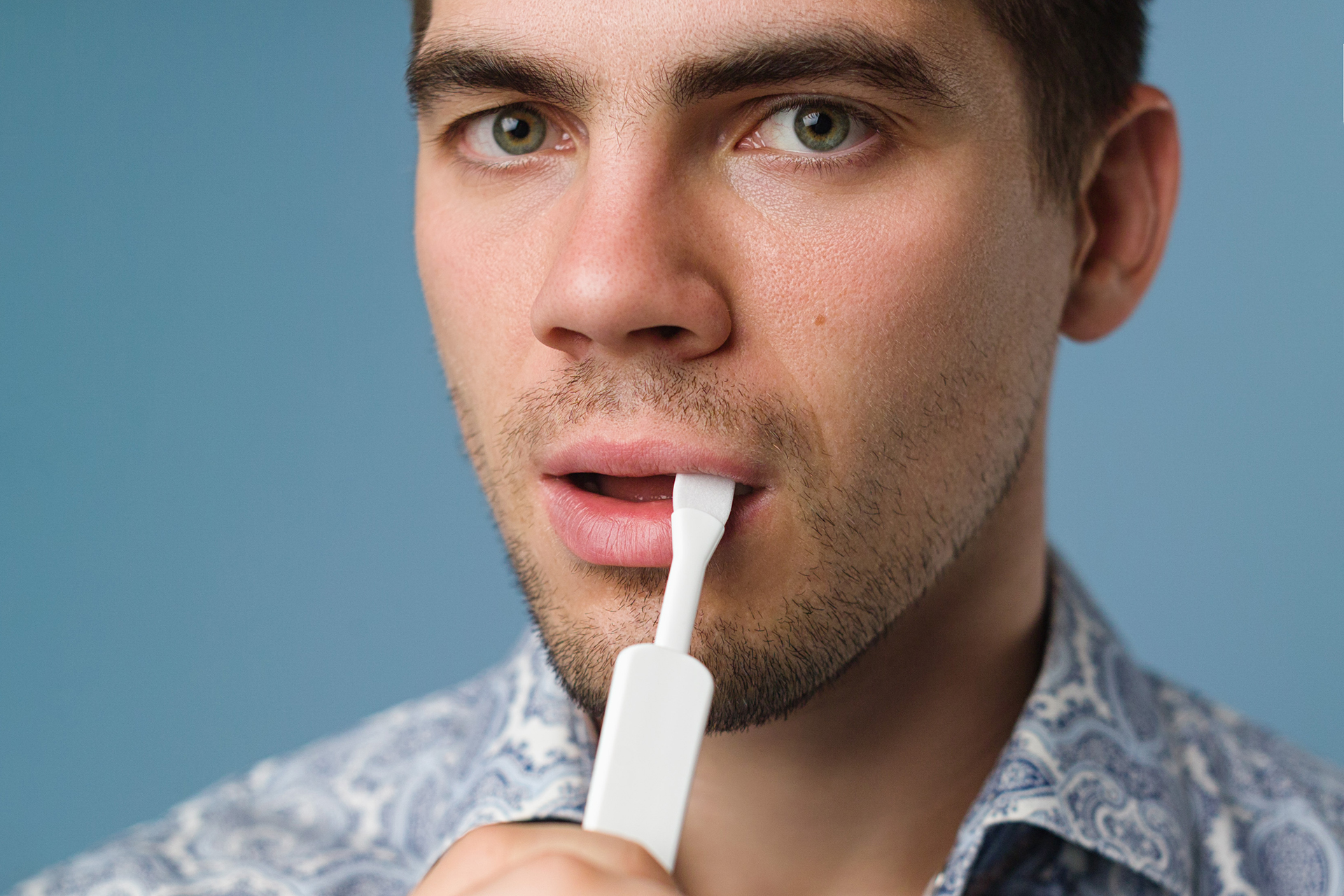
A new study revealed a non -surgical method and does not need blood samples to detect early warning signs of chronic diseases such as type 2 diabetes, by measuring insulin levels in saliva.
The study was conducted by a research team from the “University of British Columbia” in Canada, and its results were published in the Journal of Applied Physiology, Nutrition and metabolism last May, and it was written by the “Urik Alrt” website.
Insulin helps the body to use glucose (blood sugar) to obtain energy, produces beta cells in the pancreas, and the sugar in the blood is inserted into the cells.
Measurement of high insulin levels in the blood is a proven way to measure metabolic health, and the risk of future health problems, including type 2 diabetes and heart disease, can appear.
The previous research of the team showed that insulin levels in saliva track insulin levels in the blood plasma throughout the day after eating rich or low -carb meals.
The new study included 94 healthy participants and a variety of body sizes, and each participant consumed a standard drink alternative to meals (containing a specific amount of calories and nutrients) after a fasting period, then provided samples from his saliva and underwent a tank of blood sugar with tingling finger.
The participants conducted saliva tests while fasting before drinking the drink, and after 60 and 90 minutes of drinking the drink.
“Obesity people with insulin levels had much higher in their saliva compared to those with a slight weight or decrease in body weight, although their blood sugar levels were identical,” says Dr. Jonathan Little, a professor at the College of Health and Exercise Sciences at the British Columbia University, and the study researcher.
He adds that “this indicates that the saliva test may be a simple and non -surgical method for identifying people at risk of type 2 diabetes before symptoms appear.”
Insulin tells you something about your future health
Type -2 diabetes affects about 400 million people around the world, and is diagnosed with high blood glucose levels.
Dr. Little notes that pre -diabetes – such as insulin resistance and insulin in the blood – may develop 10 to 20 years before the patient’s diagnosis.
The effectiveness of insulin in people with insulin resistance is lower than normal, as a result of which there are more amounts to stimulate fats and muscles to absorb glucose, and to urge the liver to continue to store it.
“If excess insulin in the blood can be detected before the blood glucose levels begin to rise, people who are at risk of developing type 2 diabetes can be identified early, allowing lifestyle changes and providing other treatments before a long period of high glucose levels.”
Taking preventive steps at an early stage is extremely important, because insulin in the blood predicts many chronic conditions, including type 2 diabetes, high blood pressure, cardiovascular disease, stroke, cancer, and recently it was linked to obesity.
Dr. Hussein Ruxei, the author of the study, explains that it aims to help develop a non -surgical test for insulin hyper in the blood, but revealed an interesting result.
Dr. Rafei notes that some of the low -weight participants have witnessed a significant increase in the level of insulin in the saliva after eating the meal, and this indicates that they may be more likely to develop type 2 diabetes, even without weight gain and with normal levels of glucose in the blood.
“Discovering the high level of insulin in some slim people is interesting. This indicates that saliva insulin may be more useful than measuring a person’s weight or waist.”
The study also discussed the relationship between the waist circumference, the body mass index, age and sex, and found that the waist circumference had the strongest connection to the levels of insulin in saliva.
He adds that the results of the study indicate that “salivary insulin may be better than the level of glucose in the blood in distinguishing between people with good metabolism and those most vulnerable to insulin hyper infection.”