

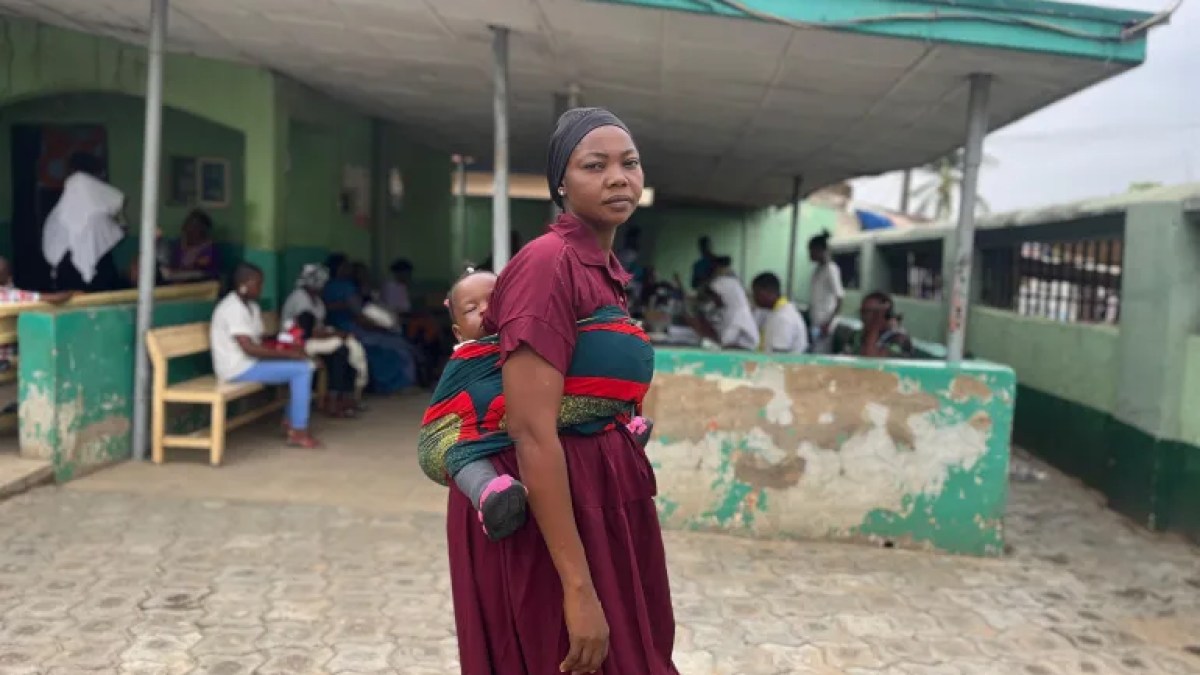
In remote neighborhoods of the Nigerian capital, Abuja, Akaria Joseph, 29, is running a cooling box full of polio vaccines.
The narrow alleys and homes with a metal ceilings covered with dust penetrate, seeking to reach hundreds of children before sunset. Its mission is clear: no child is left without protection from the virus that paralyzed the lives of thousands in the country previously.
Although the World Health Organization announced that Nigeria is free of the polio virus in 2020, the virus is still known as CVDPV threatening societies that suffer from poor valleys.
This strain appears when the weak virus used in the vaccine and is transmitted in insufficient immune environments.
In light of the continued security challenges in the north of the country, and the presence of societal resistance in some areas, women working in the field of health, such as Akia, are the first line of defense against the disease.
Thanks to cultural and religious factors, they are allowed to enter homes and communicate with mothers, while men are often prevented from performing these tasks.
“I sit with mothers, listen to them, and know how to convince them. This is my gift,” says Akia.
Community challenges and resistance
In the state of Borno, which suffers from the Boko Haram rebellion, male health workers are seen suspected, sometimes suspected of their cooperation with the authorities.
Even women are not spared from doubts, as rumors have spread that links vaccines with sterility or as a Western conspiracy.
“Some believe that the vaccine prevents childbirth. We face these ideas with patience and continuous awareness,” Aisha, a worker in Maidoguri, said.
Health workers make repeated visits and organize unofficial dialogue sessions to build confidence and refute rumors.
Although the one -campaign reward does not exceed 12 thousand Nira (about 8 dollars), which is a small amount compared to the volume of the effort made, these women continue their work motivated by believing in their health and human message.
From pollination to economic empowerment
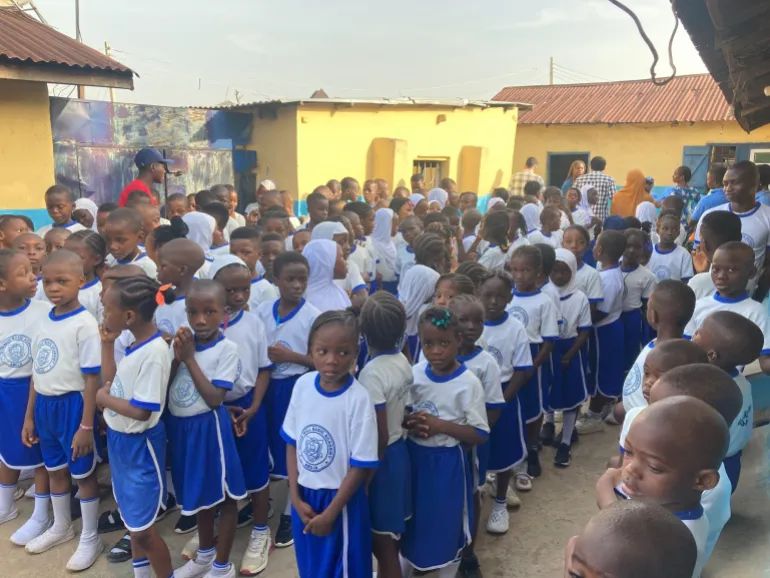
The impact of these campaigns was not limited to public health, but extended to form an economic empowerment for women. Some of them, like Aminat Okiti, were able to establish small projects, such as selling in the market or raising poultry, benefiting from the societal confidence that they acquired during their health work.
“When people trust you about the health of their children, they trust you in other things too,” says Oktie.
A global model led by women
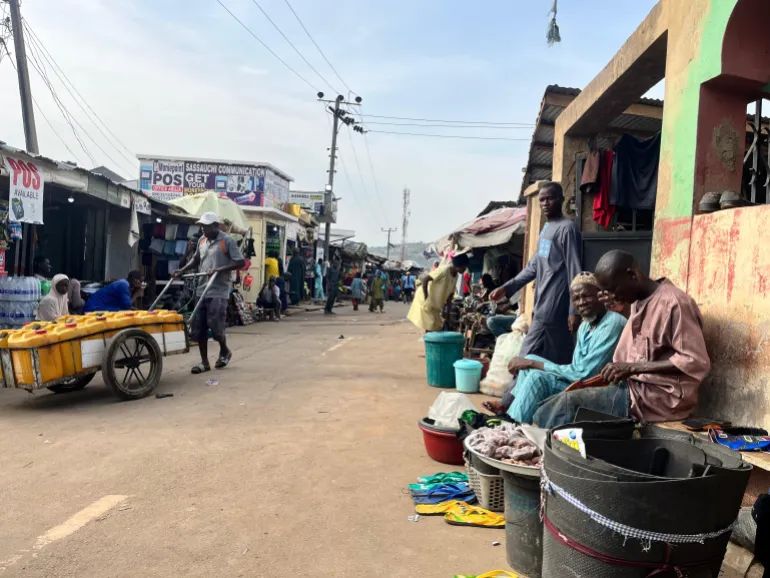
Nigeria’s experience in the control of polio, led by women, has become a role model globally, as the infrastructure created to combat the virus contributed to supporting other health programs, such as motherhood care and response to epidemics.
But the challenges are still ongoing. Delivered information, insecurity, and the continued emergence of separate cases, are all factors that threaten full eradication efforts.
“These women not only play a functional role, but also the pioneers of real change in their societies. Vaccination campaigns have opened a way towards leadership and financial independence,” Christian Mondoati, the UNICEF actress in Nigeria, concludes by saying.