

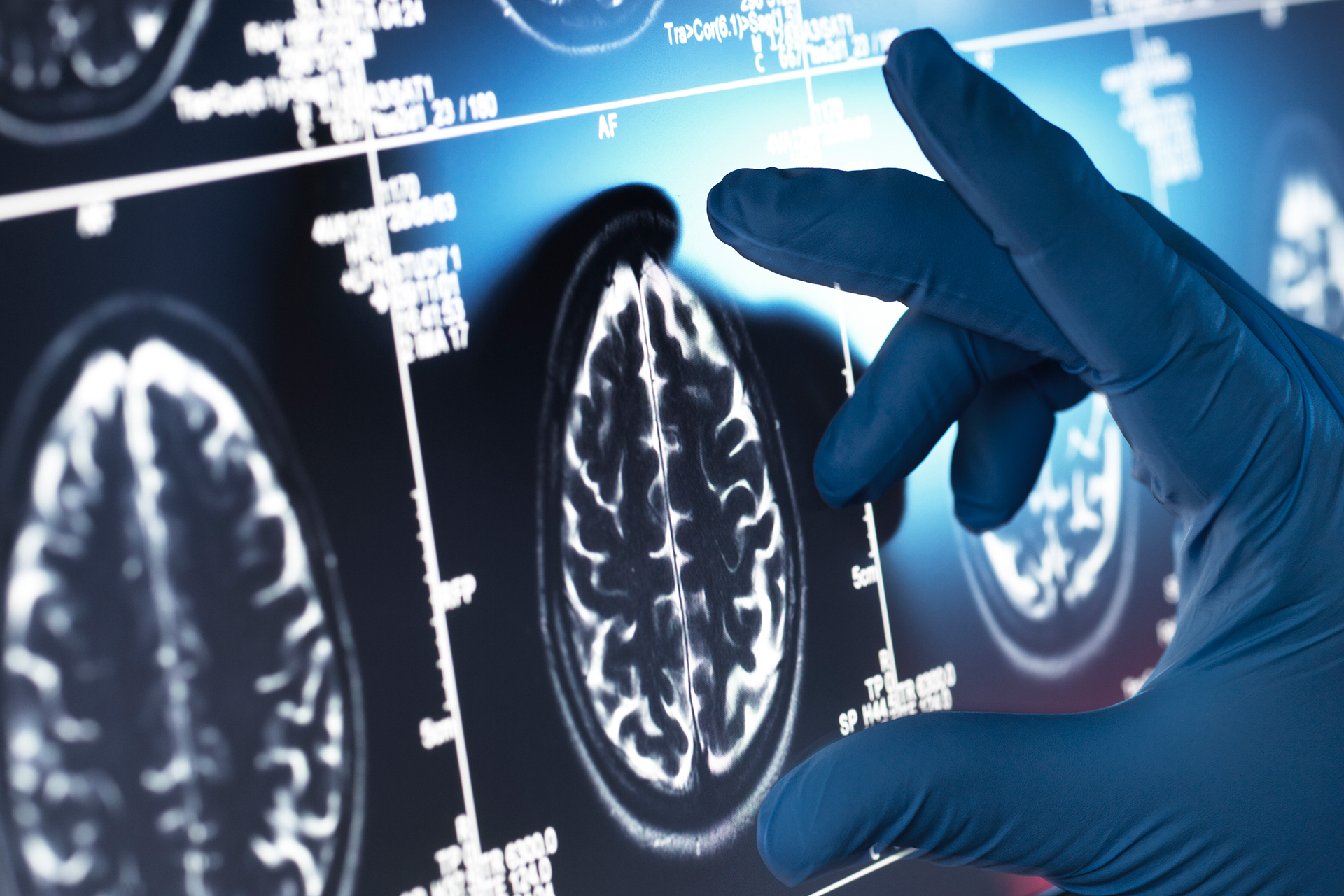
An international team from the American University of Northwestern and the University of Suuju in China has developed the first “Peruvaskite” camera capable of capturing the individual gamma rays of tomography with the emissions of one SPECT with unprecedented accuracy.
This new tool may make common types of nuclear imaging clear, honest, and less expensive.
According to scientists, the “Peruviskite” detectors can achieve standard energy accuracy and unprecedented individual photography performance, paving the way for practical integration in nuclear medicine imaging systems from the next generation.
In the study, the detector enables the distinction between the gamma rays with different energies that are the best registered so far, as well as sensing very low signals of a medical radiology (Technishium-M 99) commonly used in clinical practice, and distinguished very accurate details, which produced clear pictures that can separate small radioactive sources, only a few millimeters.
The detector has also remained very stable, as almost every signal of the radioactive material was collected without losing or distorting, and since these new detectors are more sensitive, patients may need a shorter examination or less radiation doses.
“The pyrovskite is a family of crystals known to change them for the solar energy field, and now it is about to achieve the same in nuclear medicine, and this is the first clear evidence that the pyrovskite detectors that can produce acute and reliable images needed by doctors to provide the best care for their patients,” said Mercury Kanatidis, the main author of the study of the University of Northwestern.
“Our approach not only improves the performance of detectors, but may reduce costs, which means that more hospitals and clinics can get the best photography techniques,” added Professor Yyoi Hee, the co -author of Suju University.
Nuclear medicine works such as tomography with a single photon emission as an invisible video, and doctors cultivate a small, safe and short -lived amount of radioactive material in a specific part of the patient’s body. For members.