

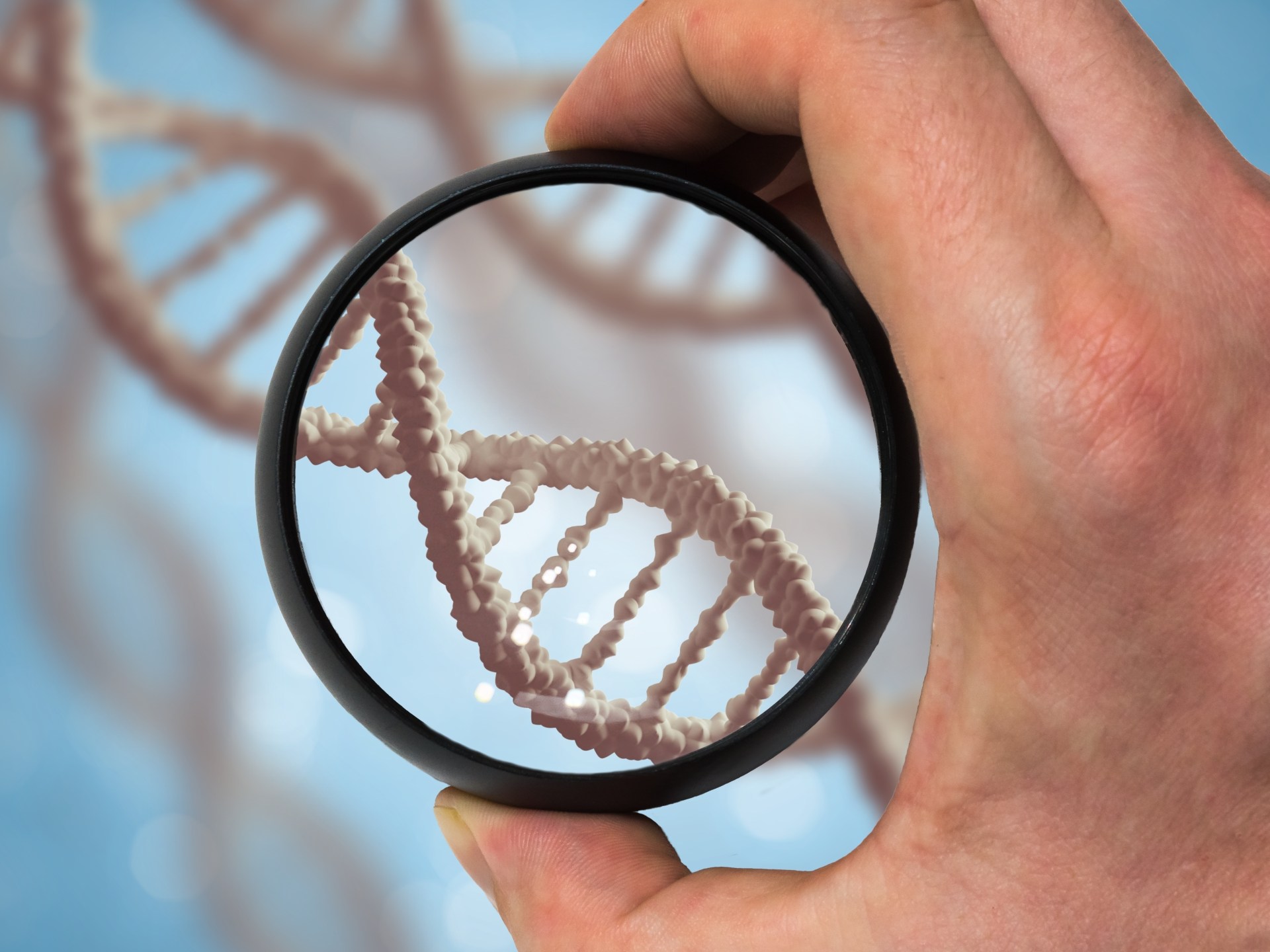
A team of researchers has revealed an innovative way that enhances the ability of “CrisPR” technology to reach the target cells safely and effectively, using fatty nanoparticles covered with DNA.
Krisper technique carries great hopes in treating a wide range of genetic diseases and cancer thanks to its ability to rewrite the genetic code behind many health disorders. However, the delivery of CRISPR components to the cells has remained a major challenge that hinders their therapeutic applications.
The new innovation offers a promising solution to this dilemma; Researchers have developed fatty nanoparticles covered with a dense layer of DNA known as Nanoparticle Spheric ACIDS (LNP-SNAS), to act as an effective and effective way to transfer the CRISB to the cells.
The study was conducted by researchers from North Westren University in the United States, and published in the Journal of the National Academy of Sciences on the fourth of September, and wrote about Yurrick Alert.
What is the Krisper technology?
The DNA technology works similar to the feature of “research and replacement” in text editing programs; It can determine accurate genetic sequences, then modify, delete or replace them.
The Cresser system consists of: an enzyme that represents a tool for DNA cutting and RNA, GRNA, which is a molecule that guides the enzyme to a specific sequence in the genome.
Scientists designed the GRA molecule to match a specific genetic site, then link it to the shear, to form a genetic editing tool that enters the targeted cells, and as soon as it arrives, this tool determines the desired site and cut the DNA, and this allows for accurate adjustments to the genome.
This technique is considered as a “cut and paste” tool for genes, and scientists hope to open the door for revolutionary treatments, and may help eliminate some chronic genetic diseases.
How Krisper reaches his goal?
Despite the strength of Krisper tools, they cannot enter the cells alone, as it needs a means of transportation.
Scientists usually use viral vessels or lipid nanoparticles lnps for this task, but each has restrictions; Viruses can provoke an immune response, while oily nanoparticles are safer but less efficient, as they tend to remain trapped inside cellular vesicles (endosamoms), where they are unable to liberate their shipment.
Professor Chad Merkin, a researcher participating in this study, said: “Only a small amount of CRISPR tools reaches inside the cell, and a lower percentage of them reaches the nucleus, there are other strategies that depend on cell treatment outside the body, but they are inaccurate,” said Professor Chad Merkin, a researcher in this study.
To overcome this obstacle, the researchers merged the technique of fatty nanoparticles with the addition of a thick cover of spherical DNA (SPHERICALICALICAICIDS), for the two techniques as a connection factor for a trap tool to target cells.
The researchers conducted the test of the sebaceous nanoparticles coated with DNA loaded with chrisper tools on several types of human cells that included skin cells, white blood cells, osteoporosis and kidney cells.
The results showed a 3 -fold increase in cell absorption of Cersber, low cell toxicity, in addition to a significant improvement in the efficiency of genes.
These particles are effective, easy to manufactured and adjustable, and this makes them a candidate for extensive applications in genetic therapy research.
“The Krisper technology can revolutionize medicine, but the design of the delivery method is no less important than the genetic tool itself, by integrating Krisper with spherical DNA, we designed a strategy that might unleash its full treatment.”