

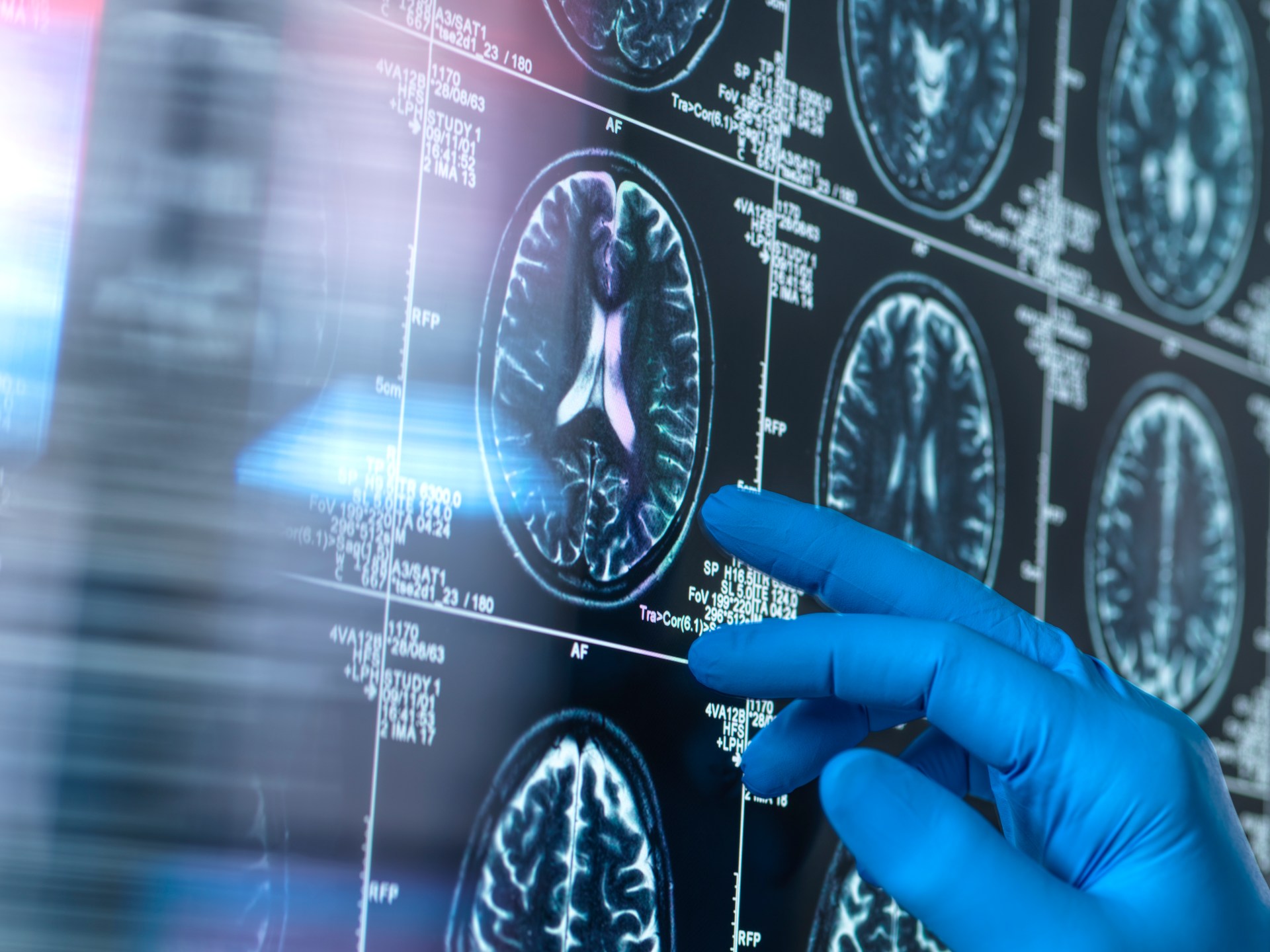
Innovative MRI technology has monitored iron levels in different areas of the brain. Technology can be predicted by the start of the poor light perception and its deterioration in the elderly who are not in cognitive impairment, which may pave the way for early interventions.
The study was conducted by researchers from the Department of Radiology and Radio Sciences at Johns Hopkins University in the United States, and its results were published in the Radiology Journal (Radiology) on September 9th, and was written by Yurrick Alert.
Alzheimer’s disease is characterized by the accumulation of abnormal proteins in the brain called amyloid beta and oo, which appears years before the appearance of symptoms, and can be detected using a positron emitsion tomography.
It causes excessive iron in the brain by stimulating oxidative stress, which exacerbates the amyloid toxicity, disrupts the function of Tau protein and promotes the death of nerve cells, and oxidative stress is the imbalance between two different types of molecules in the body: free radicals and antioxidants.
The level of iron in the brain can be measured in a non -surgical manner through a special technology for magnetic resonance imaging called Quantitative Supplication Mapping.
Dr. Show Li, the chief study researcher, associate professor of radiology at Johns Hopkins University and researcher participating in the F. Research Center. or. Kirby for functional brain imaging at the Kennedy Caregger Institute in the United States, “The quantitative maps can discover minor differences in iron levels in different brain areas, providing a reliable and non -surgical method for drawing iron maps and determining its quantity in patients, which is not possible using traditional magnetic resonance imaging methods.”
He added, “Using the technique of quantum maps fee, we found an increase in the percentage of iron in the brain in some areas associated with memory, which are linked to the high risk of cognitive impairment and faster cognitive deterioration, and this risk increases when the participants have higher levels of amyloid diseases.”