

Throughout Africa, governments are reviewing how gaps are bridging access, infrastructure and absorptive capacity through new cooperation models.
The establishment of African Centers for Disease Control and Prevention in 2016, and the African Pharmaceutical Agency in 2019, reflects a continental commitment to enhance public health systems and build Africa’s self -reliance, a work that continues to this day.
In this context, Fayzer launched the “Accord” initiative “ACCORD for a Healthier World in 2022, with the aim of cooperating with governments and helping to improve the health results of the population of 45 low -income countries. Through this initiative, Phazer offers its full range of medicines and vaccines, which enjoy its global rights, to qualified countries – 34 of which in Africa – on a non -profit basis. Besides providing products, “Agreement for a Sweetest World” is also working with governments to help build a long -term capacity and enhance health system capabilities.
Expanding the range of access
In 2024, the initiative reached more than 200,000 patients. As of August 2025, 14 qualified countries joined.
“What started with only 7 products has grown to a portfolio of more than 100 drugs obtained through Accord,” says Dr. Luko Abraham, CEO of Rwanda Medical Splai. “This partnership was useful in helping us to achieve our mission of providing high -quality drugs at reasonable prices and within the reach of citizens eligible in Rwanda.”
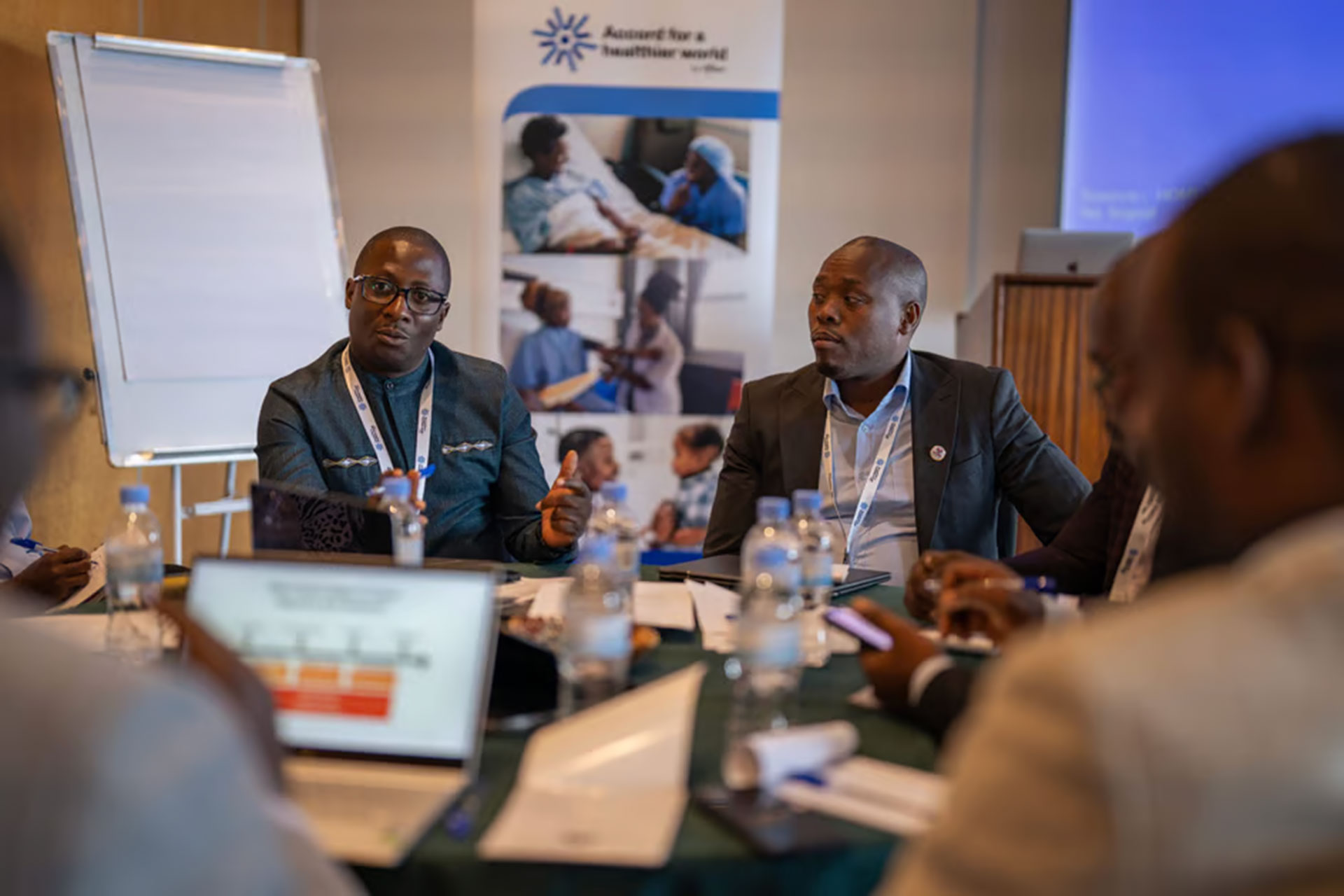
While accessing products is vital, the ability of the health workforce and the reliability of the supply chain is no less important than this to achieve a sustainable effect. Accord is closely cooperating with local governments and partners to support these national priorities.
Support the supply chain capabilities
The reliable supply of drugs and healthcare techniques is very important to ensure the quality of care. In Ghana, the “Accord” program for building supply chain capabilities enhances major functions, such as storage, demand planning, inventory management, and logistical services for the supply chain.
“The best practices sessions were very valuable, as they provided a platform for our supply chain managers to learn from specialized experts and exchange experiences with their counterparts.” He added: “As a result of this program, I have touched significant improvements in our supply chain.”
Accord has already trained more than 700 supply chain specialists, strengthening capabilities throughout the continent.
The sustainability of momentum
The “Accord” program continues to expand the scope of successful initiatives, training doctors, create learning platforms between peers, and determine more cooperation opportunities.
There is no single solution that suits everyone – every program is rooted in national priorities, and is placed by local leaders, and designed to last. Seeing the “Accord” program is simple but ambitious: helping countries build flexible health systems through local experiences facing today’s challenges and future challenges.