

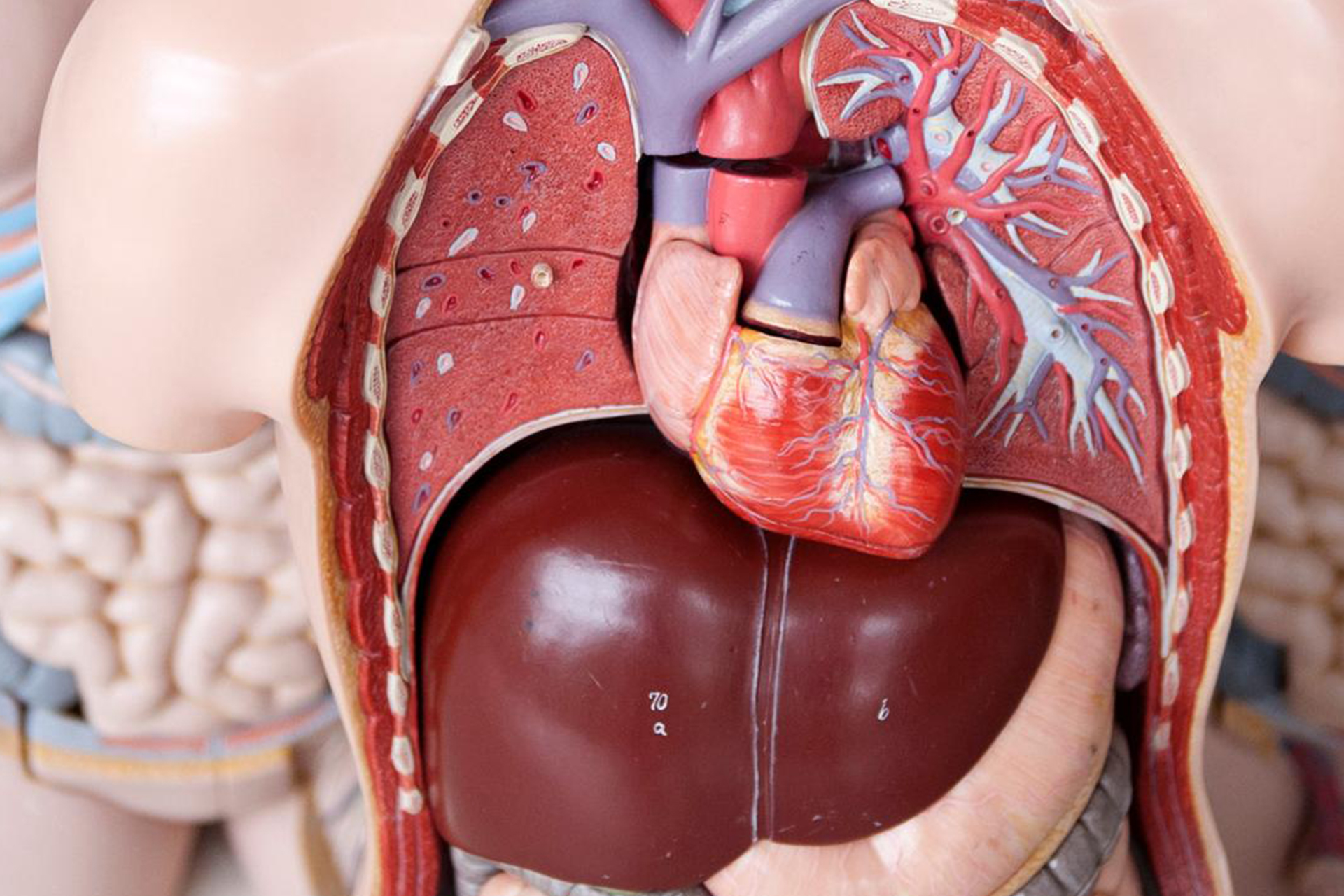
A recent study indicated that replacing sugary drinks with low-sugar or artificially sweetened drinks does not provide protection against fatty liver disease.
The researchers stated, during the European Society of Gastroenterology conference in Berlin, that sugar-sweetened drinks and low- or sugar-free drinks are closely linked to a higher risk of non-alcoholic fatty liver disease, a disease in which fat accumulates inside the liver due to metabolic disorders and may lead to inflammation or liver failure.
Fatty liver disease affects more than 30% of the world’s population, and is an increasing cause of deaths related to liver disease.
The new study followed 123,788 volunteers in the United Kingdom who did not suffer from liver disease at the beginning of the study. During a follow-up period of 10.3 years, participants completed periodic questionnaires about the foods and drinks they regularly consumed.
Over the course of the study, 1,178 participants developed non-alcoholic fatty liver disease, and 108 died of liver-related causes.
The results showed that consuming more than 330 grams per day of sugar-sweetened, low-sugar, or sugar-free beverages was associated with a clear increase in the risk of developing fatty liver disease.
Both types of drinks were also associated with increased liver fat, although the study could not prove that these drinks cause this.
“Sugary drinks have long been under the microscope, while their alternatives are seen as the healthier option,” study team leader Lihe Liu of Sozhou University Hospital said in a statement. “But our study shows that these alternatives may be associated with an increased risk of non-alcoholic fatty liver disease, even when consumed in moderate amounts.”