

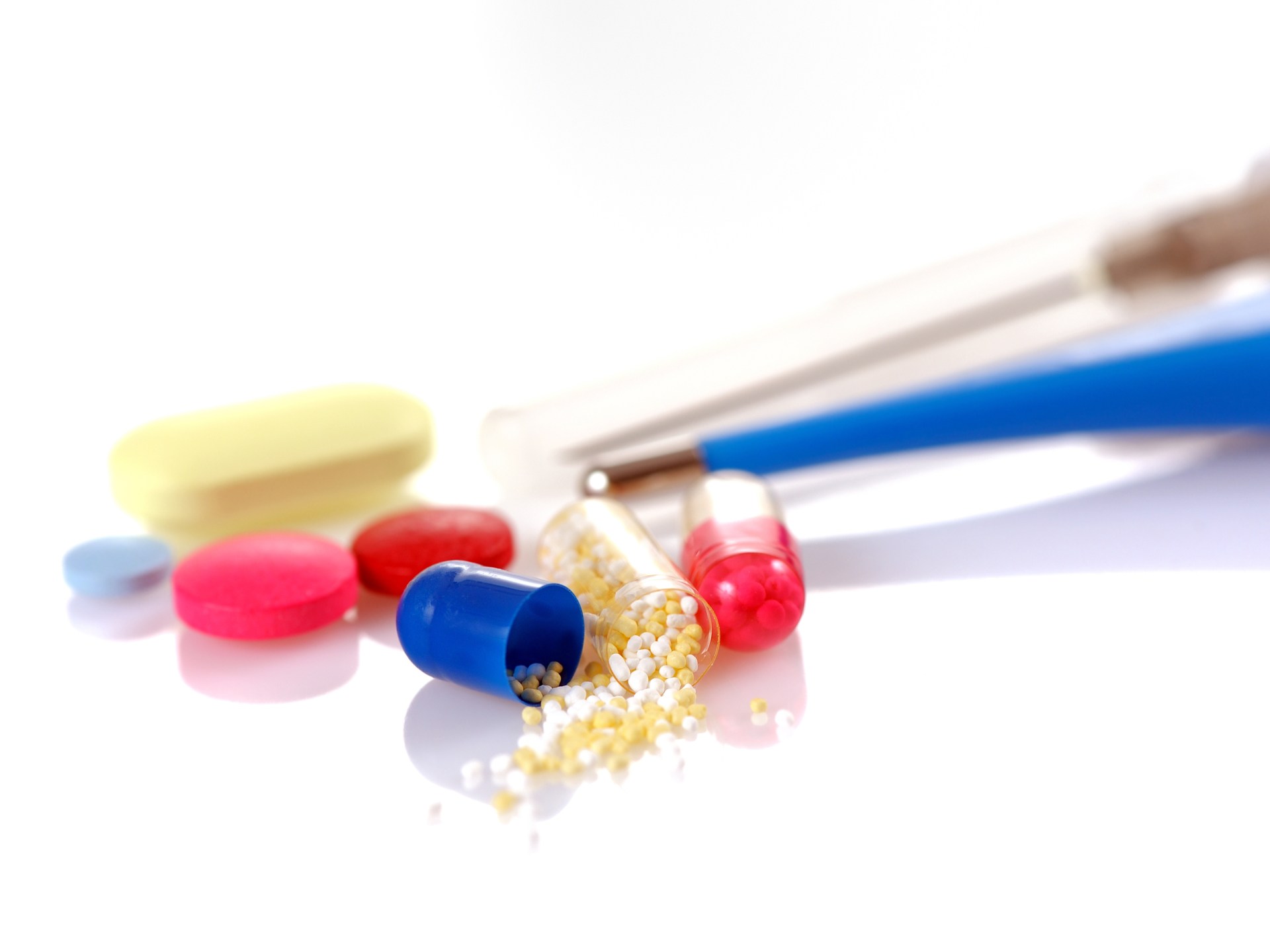
Germany depends on China for many medicines, including antibiotics, diabetes medications, and painkillers.
The German pharmaceutical industry association, Pro Generica, warned in a new study of the presence of a strong dependency in this area that China may use as a means of political pressure, similar to the restrictions it imposed on the export of rare earth elements in its customs dispute with the United States.
The study stated that any potential cessation of the supply of active ingredients for alternative medicines could cause large gaps in the drug supply in Germany. The study included 56 active ingredients officially classified as essential to secure supplies, including painkillers, antibiotics, diabetes medicines and biosimilar products.
The results showed that in 20 of these materials – that is, more than a third – the share of Chinese companies reaches a level that makes the supply at risk if the supply stops. Antibiotics, diabetes medications, and painkillers are among the groups most affected by this.
According to the study, over the past years, Chinese producers have invested targetedly in facilities to produce active substances, such as antibiotics, and have become major suppliers globally. In the event of a stoppage, there will not be sufficient alternatives available on the global market, and “increasing local production capacities in the short term is not technically possible.”
The study’s authors – from the German Economic Institute and the European Union Institute for Security Studies – wrote that the Pro Generica union, which represents the interests of alternative drug producers, sees this dependency as a strategic danger. Generic or alternative medicines – which are copies of medicines whose patent protection has expired – are considered an essential component of the health system due to their low prices.
The union’s executive director, Burke Breithauer, called for political intervention to reduce dependence, saying: “We must not allow ourselves to reach the same situation that we faced with Russian gas.”
Issues of shortages of some medicines, such as antipyretics for children or pain relievers, are repeatedly raised in Germany. Pharmaceutical industry representatives, including the Pro Generica union, have been calling for years to ease government restrictions on drug pricing, considering that this financial pressure has forced companies in Germany to withdraw from producing drugs such as fever-reducing syrup or penicillin.
The study’s authors wrote that imposing an export ban on alternative medicines from China is possible, noting that Chinese official documents, such as five-year plans, show that Beijing is considering the possibility of using export restrictions as a means of pressure. The Federation compares this trend to China’s measures to impose restrictions on the export of rare earths during its trade dispute with the United States.
The Federation pointed out that Europe is still superior in the field of innovative medicines, such as biopharmaceuticals, but China is seeking to catch up quickly, warning that the latter is on its way to becoming a global engine of innovation in drug development. The Union called for the need for Germany to work to protect its production sites, diversify supply chains, and enhance innovation to ensure the security of pharmaceutical supplies in the future.