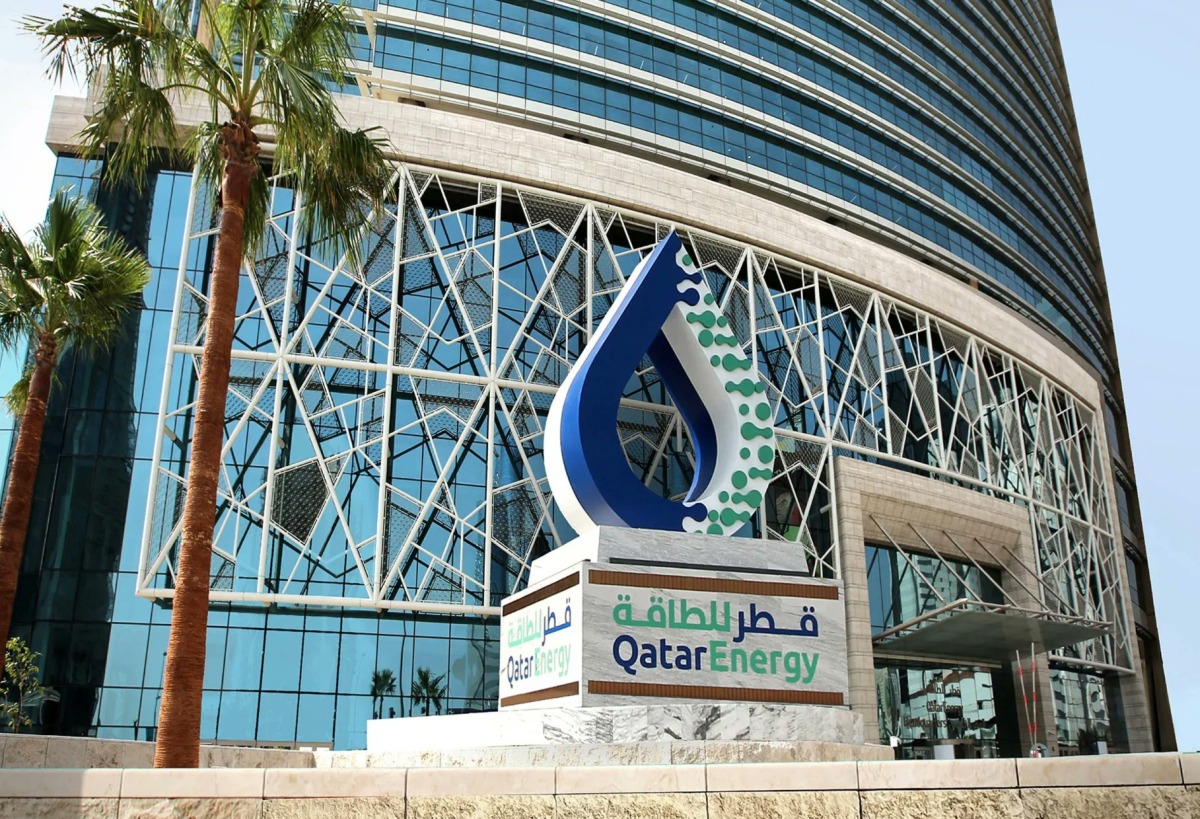
Qatar Energy has awarded Samsung C&T the engineering, procurement and construction (EPC) contract for a major CO2 capture, sequestration and storage project, which will serve Qatar Energy’s existing LNG production facilities in Ras Laffan Industrial City.
Qatar Energy explained in a statement today that the project will capture and sequester up to 4.1 million tons of carbon dioxide annually, making it one of the largest projects of its kind in the world, and placing the State of Qatar at the forefront of countries in the world working to capture and sequester carbon on a large scale, enhancing its leadership role in providing responsible and sustainable energy.
On this occasion, His Excellency Eng. Saad bin Sherida Al Kaabi, Minister of State for Energy Affairs, Managing Director and CEO of Qatar Energy, said: “This pioneering project supports our growing capabilities in the field of carbon capture and sequestration, and strengthens our position as a reliable provider of low-carbon energy at affordable prices. All LNG expansion projects will employ these technologies with the aim of capturing more than 11 million tons annually of carbon dioxide by 2035.”
His Excellency added: “By implementing the important environmental aspects of the Qatar Energy Sustainability Strategy, our carbon capture and sequestration projects will significantly reduce greenhouse gas emissions and will support the Qatari National Action Plan for Climate Change. To achieve this, we are pleased to cooperate with Samsung C&T, and we look forward to its successful implementation of this global project.”
Qatar Energy launched its first projects to capture and sequester carbon dioxide in 2019, with a capacity of 2.2 million tons annually. Two new projects under construction will serve the North East and South Field expansion projects by capturing and sequestering 2.1 million tons annually and 1.2 million tons annually of carbon dioxide, respectively.