

A large number of people seek to lose weight to maintain their health and obtain an ideal body, which has greatly increased the popularity of intermittent fasting.
This lifestyle choice led to a decline in the popularity of breakfast, as many chose to replace the first meal of the day with protein powders or high-quality coffee, while others chose to skip the meal completely and fast until lunch.
Some say that intermittent fasting improved their clarity of mind and focus, and helped them control their weight more effectively, and some studies have confirmed these effects.
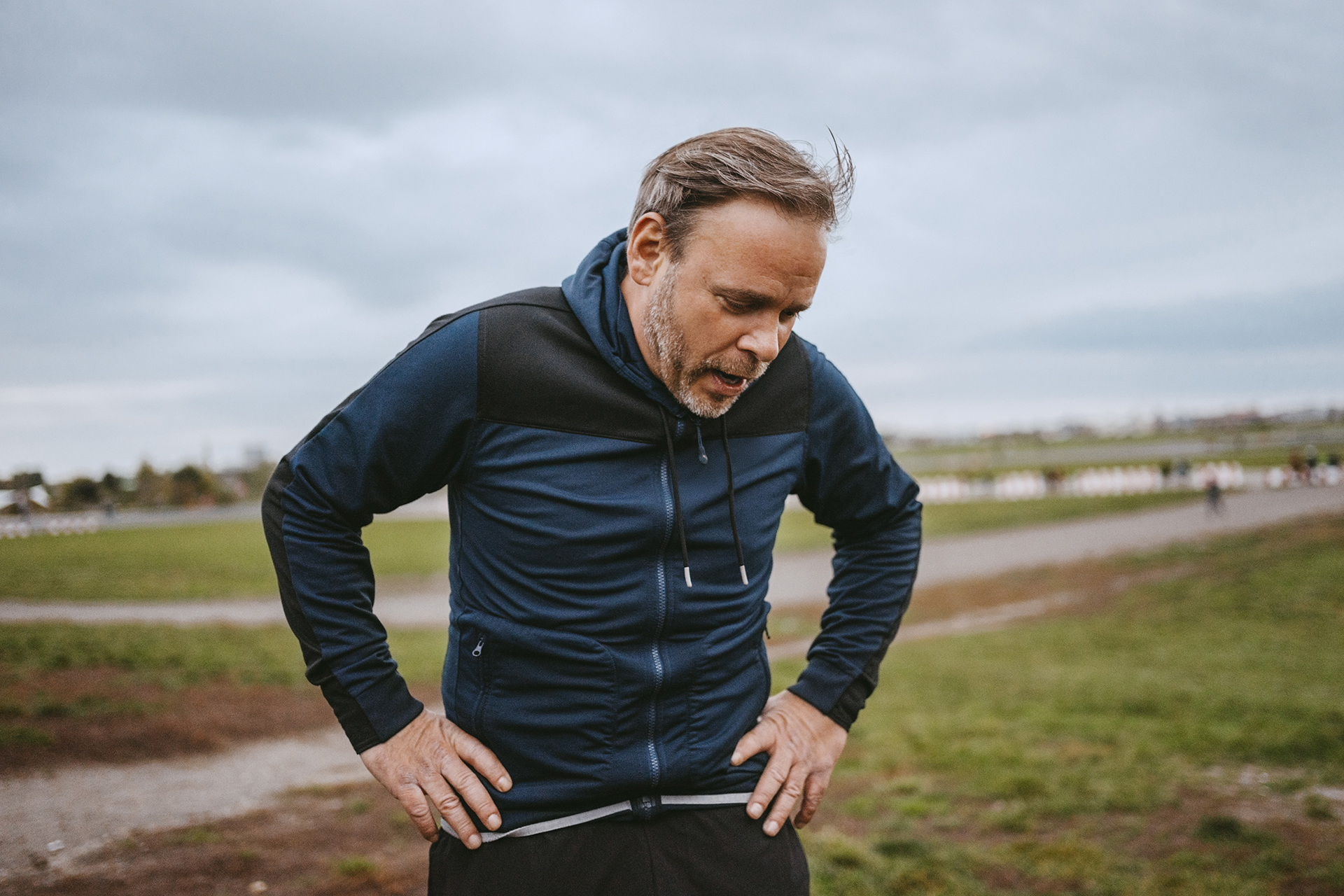
How effective intermittent fasting is depends on lifestyle, physiological functions, and stress levels, but when you add exercise and extreme stress to the mix, things can become complicated, even dangerous.
“Intermittent fasting is beneficial, and this is especially true for the general population who are inactive and suffer from metabolic diseases,” Stacey Sims, a fitness expert and nutrition researcher, told the British newspaper The Independent.
But she added: “We do not get any additional benefits from combining intermittent fasting with exercise.”
She explained: “If you are already exercising, intermittent fasting will not be beneficial. If you are a woman and add exercise to intermittent fasting, it may be harmful to your performance and health.”
High-intensity exercise stresses the body, and if the body is not fed enough calories to provide the energy needed for exercise, this can affect hormone regulation and muscle recovery.
Is combining intermittent fasting and exercise safe?
When it comes to whether fasting and exercise are compatible with everyone, there is no simple answer. Research shows that fasting, then stressing the body through exercise, may be more harmful to women’s bodies than men’s bodies.
“It has to do with the hormone kisspeptin,” Stacey said. Kisspeptin is a neuropeptide responsible for endocrine and reproductive functions.
Stacy explained that kisspeptin also plays an important role in maintaining healthy glucose levels, regulating appetite, and body composition.
She added: “It is more sensitive in women than in men. When disturbed, hormones are not produced and released in the way we need them to be. Both intermittent fasting and keto disrupt the production of kisspeptin. When our brain realizes that we are deficient in nutrients, especially carbohydrates, kisspeptin stimulation decreases significantly, which increases our appetite and also reduces our sensitivity to insulin. This is why research shows that intermittent fasting is more likely to cause impaired glucose tolerance in women, not men.”
But what about men’s bodies? “Fasting before exercise may be safe, but it mostly depends on the person’s goals, body type, and type of exercise,” explains personal trainer Sergey Butsov.
“For some people, fasting before exercise can help boost fat metabolism, improve insulin sensitivity, and enhance endurance,” he said. “It may also help improve oxidation, which means the body can use stored fat as a primary source of energy. This is beneficial for individuals seeking fat loss or endurance athletes who want to improve their metabolic flexibility.”
But despite these benefits, your performance in the gym may decline if you’re not aware of what you’re doing when balancing fasting with exercise, Botsoff added.
“Without adequate glycogen stores, your body may feel tired, which leads to an increased rate of muscle protein breakdown,” he points out.
According to Botsoff, if you’re going to fast and then exercise, you should have a specific reason for doing so in mind, and be aware of how your exercise style affects your body and recovery on an empty stomach.
Not all exercises are created equal
Edwina Jenner, a physiotherapist and health coach, agrees: “Not all exercises are equal, so it depends on what demands will be put on your body. You can do an hour of Pilates or yoga in a fasted state, but it will be different if you want to maintain or gain muscle.”
A strength training session requires fuel to help you optimize your training, otherwise you will suffer from a lack of energy and fatigue more quickly. The exercises will become less effective, and the person will not have enough energy to continue the session, so it will take longer to achieve the goal of the exercise.
Although fasting may provide great benefits, it is not preferable to combine it with strenuous exercise.
“Eating before training is a very personal thing,” says Edwina. “However, 99% of the women I coach who try fasting cannot stick to it. It leaves them feeling hungry and frustrated, like they are failing because they cannot complete their workouts and feel hungry and tired.”
This echoes Stacey’s research on fasting and exercise, Sims says: “What happens when we layer the stress of exercise on top of the stress of depriving our bodies of an important energy source? Stress hormones like cortisol rise even more. As this stress continues to increase, it keeps your sympathetic drive high and reduces your ability to relax. Thyroid activity decreases, which negatively impacts your menstrual cycle.”
She explains: “Your body also begins to store more belly fat. So you now face menstrual irregularities, increased anxiety and stress, poor performance, and often weight gain, which is the exact opposite of what you are looking for.”