

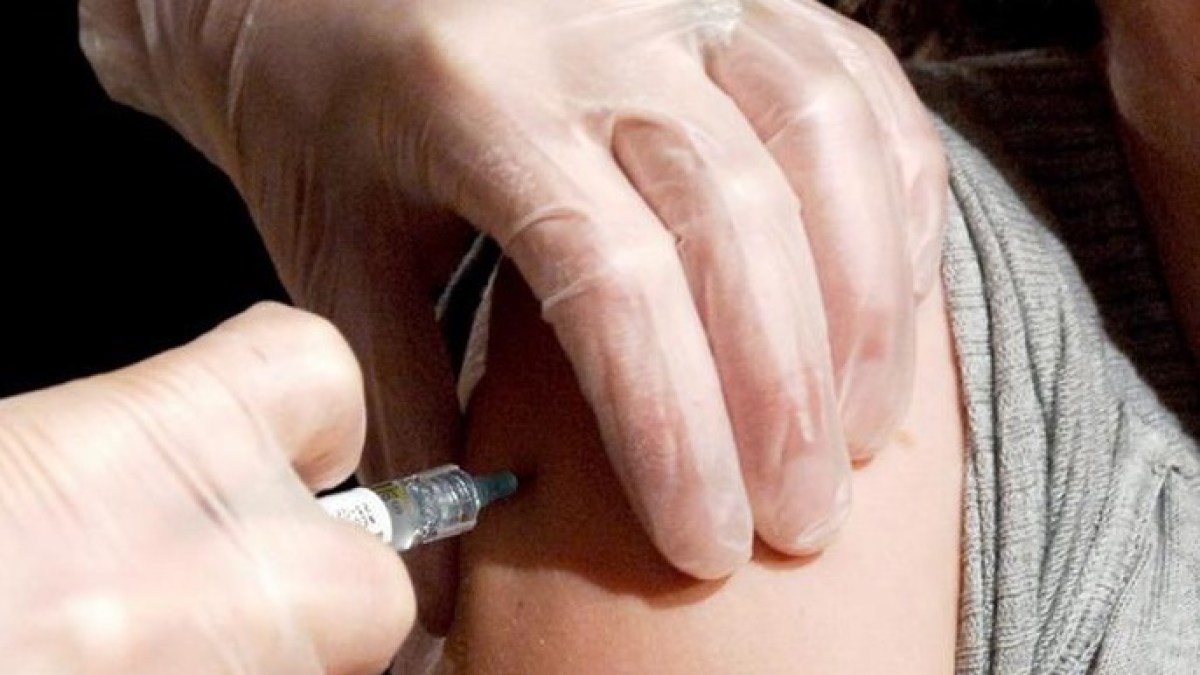
The Global Vaccine Alliance (GAVI) announced on Monday that strengthening vaccination campaigns against human papillomavirus (HPV) in low-income countries has prevented more than one million deaths from cervical cancer over the past three years.
The coalition said in a statement, “More than one million deaths from cervical cancer have been prevented, and about 86 million young girls are protected from the main cause of this cancer, thanks to a three-year concerted effort led by GAVI (…) and low-income countries.”
This announcement comes on the heels of the relaunch of the GAVI HPV vaccination program in 2023, to protect millions of young girls from the leading cause of cervical cancer, thus preventing more than one million deaths.
“Thanks to the extraordinary commitment of countries, partners, civil society and local communities, we have achieved this goal earlier than we expected,” said Sania Nishtar, President of this international organization, which relies on public and private funding to vaccinate children in the poorest countries.
She stressed that “this collective effort contributes to making significant global progress towards eliminating one of the diseases that most causes death in women,” noting that even today, “a woman dies from cervical cancer every two minutes.”
This cancer greatly affects low-income countries, because they often lack screening services and treatments are not equitably available. In 2022, these countries represented 90% of the 350,000 cervical cancer deaths, according to Gavi.
GAVI stated that its efforts have prevented a total of 1.4 million deaths, and with the number of countries that will introduce the vaccine with support from GAVI exceeding 50 countries by the end of 2025, the vaccine will become available in countries that together represent 89% of cervical cancer cases around the world.
Thanks to its success in reducing vaccine costs while increasing supply by ensuring required quantities from manufacturers, the coalition has obtained commitments from them to invest in vaccines, the price of which in the countries supported by the coalition currently ranges between $2.90 and $5.18 per dose, compared to $100 or more in other countries.
In 2022, the World Health Organization officially recommended a vaccination schedule based on only one dose of the human papillomavirus vaccine instead of the previous two doses, which made it possible to vaccinate twice as many girls with the available stock.