

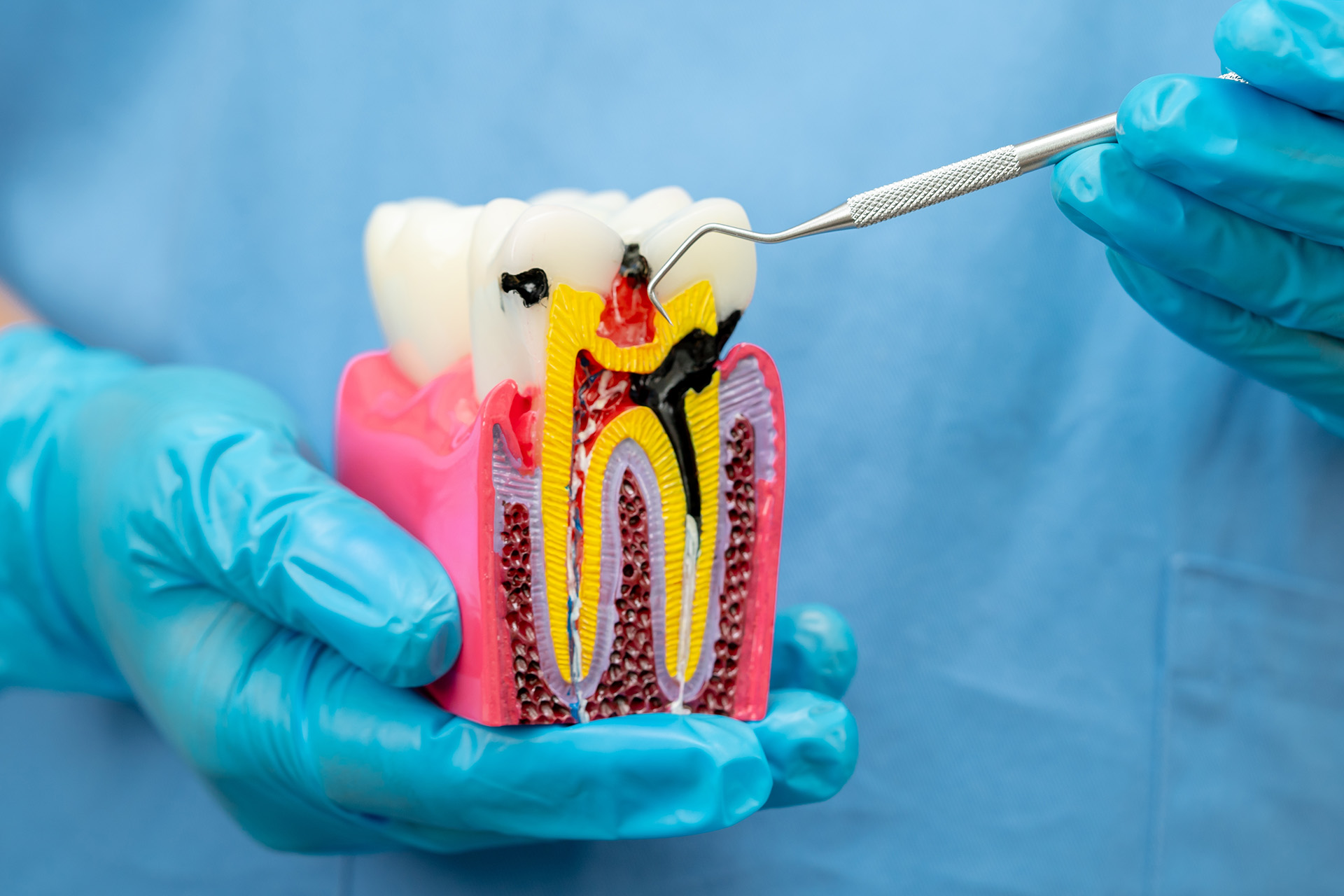
A new study revealed that root canal treatment can reduce inflammation associated with heart disease and improve blood sugar and cholesterol levels.
The study tracked changes in blood chemistry following endodontic treatment following a common dental infection known as apical periodontitis.
The study was conducted by researchers from King’s College London in the United Kingdom, and its results were published in the Journal of Translational Medicine on November 18, and the Eurek Alert website wrote about it.
This infection can cause bacteria to enter the bloodstream and increase inflammation, which leads to risks to heart health and a decreased ability to control blood sugar levels.
The study followed the health of 65 patients from Guy’s and St Thomas’ NHS Foundation Trust in the UK over two years after endodontic treatment.
Scientists analyzed molecules in patients’ blood to reveal how the body processes sugar, fats and other key substances, and responds to disease and treatment.
Dental health and general health
The team discovered that successful endodontic treatment is linked to improved glucose (blood sugar) metabolism; Blood sugar levels decreased significantly over the two years after treatment, which is a key factor in preventing diabetes.
It has also been linked to improved levels of cholesterol and fatty acids in the blood, which are closely linked to heart health.
Key indicators of inflammation, which are often linked to the risk of cardiovascular disease and other chronic conditions, decreased over time.
Dr Saadia Niazi, lead researcher and senior clinical lecturer in endodontics at King’s College London, said: “Our results show that endodontics not only improves oral health, but may also help reduce the risk of serious diseases such as diabetes and heart disease. It is a powerful reminder that oral health is closely linked to overall health.”