

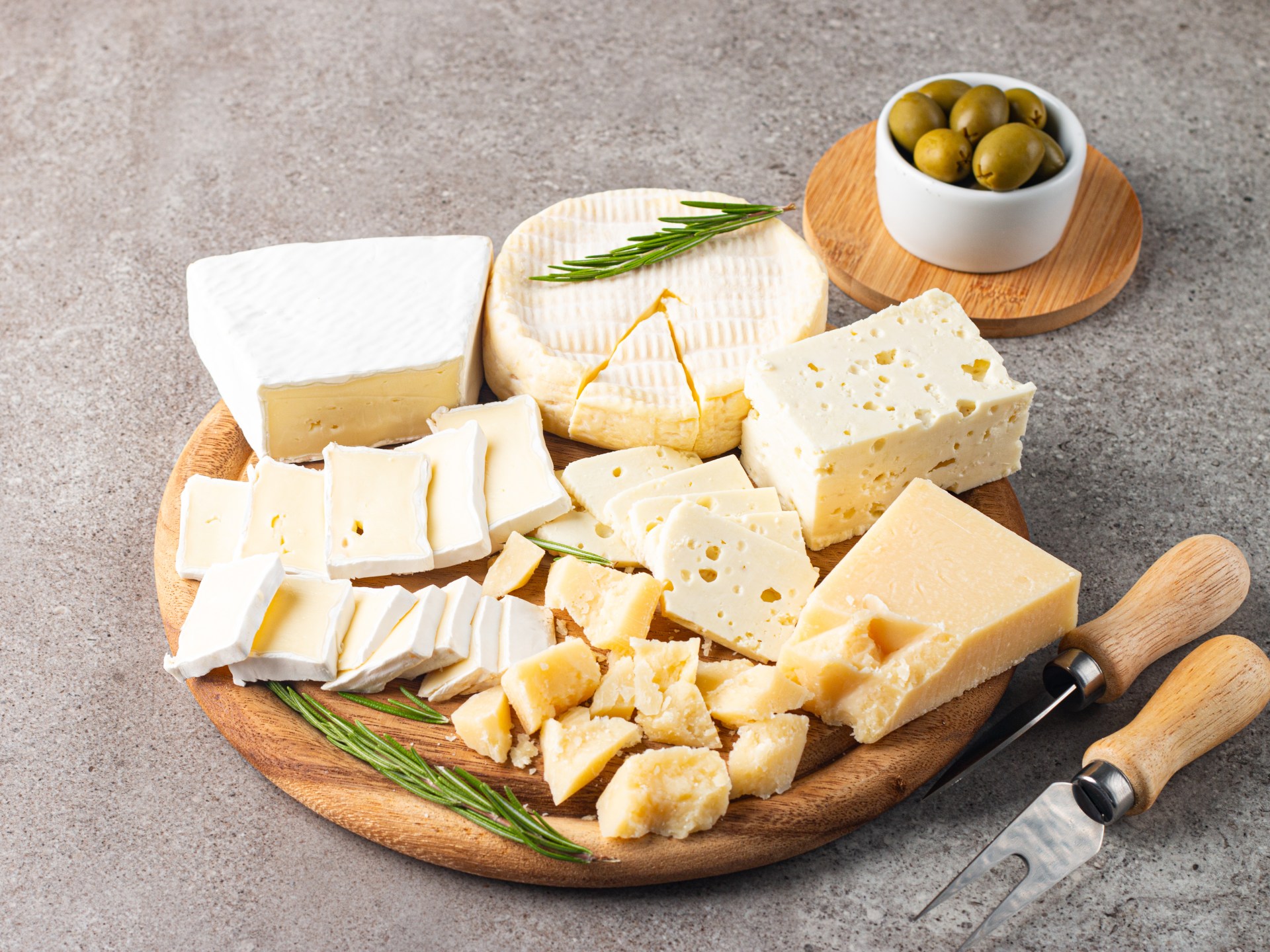
Cheese is a delicious and qualitative addition to a large number of diets associated with weight gain and high harmful cholesterol in the blood, which increases the risk of heart disease, type 2 diabetes, and stroke.
Is cheese really a time bomb that threatens our health and our waistlines, or is it a misunderstood food that could improve our lives?
“Nutritionally, cheese is an excellent source of protein, calcium, phosphorus, vitamin B12, and vitamin A, which together are beneficial for bone health, muscle repair, and energy metabolism,” Rob Hobson, a certified nutrition expert, told the British Daily Mail. “Some traditional cheeses also contain beneficial bacteria that can support gut health.”
He explains that one of the main problems people face with cheese is its fat content, but studies have not found a fundamental link between cheese and heart disease, but rather highlighted a slight neutral or protective effect.
While food experts still don’t fully understand why the fats in cheese are so beneficial, several theories have been put forward, one of which is how the combination of nutrients, calcium, and milk fats that make up cheese affect the absorption of these fats and how they affect cholesterol.
Dairy products contribute to the production of a less harmful form of bad cholesterol, while raising the level of good cholesterol, which carries excess fat to the liver where it can be excreted.
Cheddar cheese
Cheddar cheese, with about 222 milligrams of calcium per serving, is one of the best sources of calcium, providing about a third of an adult’s daily requirement in one slice.
Hard cheeses also tend to be higher in protein, so they are a great choice for all ages, supporting bone growth in the teenage years and bone density and repair for menopausal women and older adults at risk of osteoporosis.
Hobson added, “Mature cheddar cheese has a stronger flavour, so it is preferable to use it in smaller quantities. It also contains a lower percentage of lactose than many other types of cheese, which makes it easier to digest.”
Cheddar cheese is very rich in salt, and eating too much salt may lead to high blood pressure, which increases the risk of heart attacks and strokes.
Cottage cheese
Cottage cheese is a fresh cheese that has a mild, slightly acidic flavour. 100 grams of cottage cheese contain about 17 grams of protein, which is about two and a half times the amount found in one egg, and three times that found in full-fat yogurt.
Cottage cheese is considered low in calories compared to other cheeses. 100 grams of cottage cheese contains 111 calories, while the same amount of cheddar cheese contains 416 calories.

Greek cheeses: feta and halloumi
Salty cheeses, such as feta and halloumi, are rich in protein, but they are among the saltiest types of cheese, so they are best eaten in moderation, Hobson says.
Although feta is still saltier, it is lower in calories than many hard cheeses, making it a good choice for those concerned about their weight.
It is also traditionally made from sheep or goat milk, which contains more vitamins and minerals than cow’s milk per serving.
Sheep milk is particularly rich in calcium, magnesium, zinc, vitamins A, B2, B12, and vitamin D, which helps strengthen the immune system and support bone health.
Blue cheese
Hobson said of blue cheese: “It is rich and tart, with live mold bacteria that may benefit gut bacteria. But it is also high in saturated fat and salt and low in protein.”
French Roquefort cheese, known for its mold and blue veins, was found to have anti-inflammatory properties.
This may provide evidence of the so-called “French paradox”, whereby its population enjoys good health despite following a diet rich in saturated fats.