

The world is witnessing rare cases of people who suddenly acquire exceptional abilities after a brain injury or severe accident, and the person suddenly becomes a musician, painter, or mathematician, in a phenomenon called “acquired scientist syndrome.”
Le Figaro newspaper said that the number of this type of cases does not exceed a few dozen in the world, but their stories arouse the curiosity of scientists, highlighting that neuroscience has begun to uncover this puzzling mystery.
The newspaper reviewed – in a report written by Dr. Natalie Zapiro Manoukian – the story of American Jason Padgett, who suddenly became a genius in mathematics after a head injury in 2002, so much so that it was said that everything he saw seemed to him as if it were fragmented into an infinite number of small geometric shapes that he could draw.
The newspaper also referred to the story of another American named Tony Cicoria, who lived a similar experience in 1994, when he suddenly became an unprecedented musical talent after he was struck by a lightning bolt, to the point that he began composing music and made it his new profession.
The newspaper pointed out that the common factor between these cases is a primary problem in the brain, either an injury, a stroke, or fronto-temporal dementia, which led to the emergence of talent, and explained that this is called “acquired world syndrome.”
The brain does not produce skill
Although there are only about 40 known cases of this syndrome in the world, despite its surprising appearance, it is neither mysterious nor supernatural, according to neuroscientists.
What seems like a miracle is in fact latent skills that existed in the brain without emerging into consciousness
Neurologists confirm that what appears as a miracle are in fact latent skills that existed in the brain without appearing to consciousness, and specialists completely ruled out the idea of acquiring previously unknown skills, such as speaking a foreign language without learning, explaining that the brain does not produce a new skill from scratch, but rather liberates abilities that were dormant.
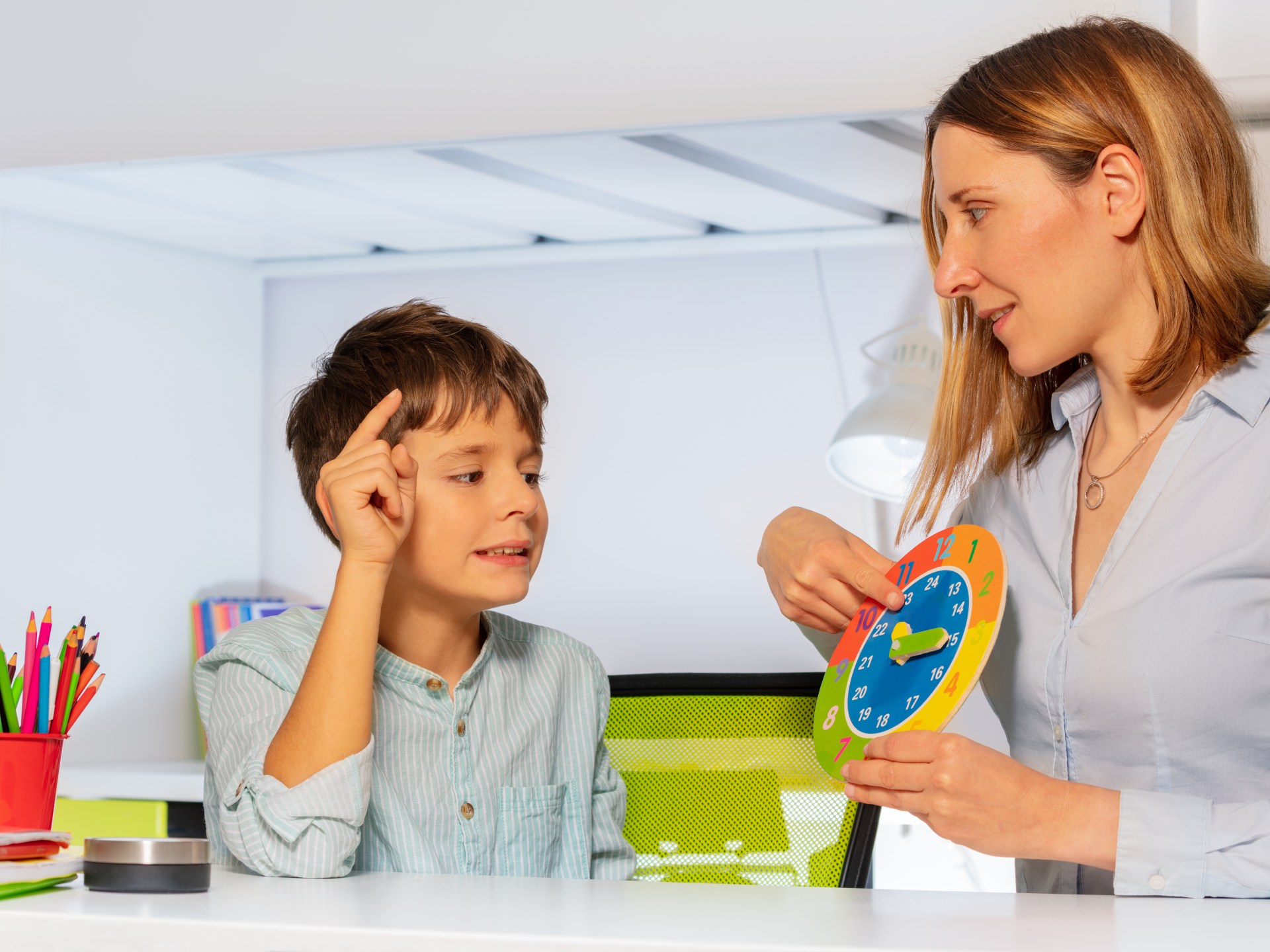
Autism studies have helped in understanding this phenomenon – according to the newspaper – as 10 to 30% of children with autism spectrum disorder have exceptional talent in a specific field such as music, drawing, or arithmetic, despite their suffering from cognitive difficulties in other fields.
This is linked – according to the newspaper – to an unusual pattern in the connectivity of neural circuits, where some areas are hyper-connected and others are poorly connected, which allows for the emergence of supernatural abilities in certain areas.
Experts explain that a weakening of the inhibitory role of the frontal lobe may free up local neural circuits so that hidden abilities emerge, whether in children or after a brain injury in adults.
Today, researchers seek, through high-resolution brain mapping, to map these neural networks to understand the mechanisms of these unusual skills in children with autism, with the aim of helping them develop their other abilities, especially social ones, and improving their quality of life.