

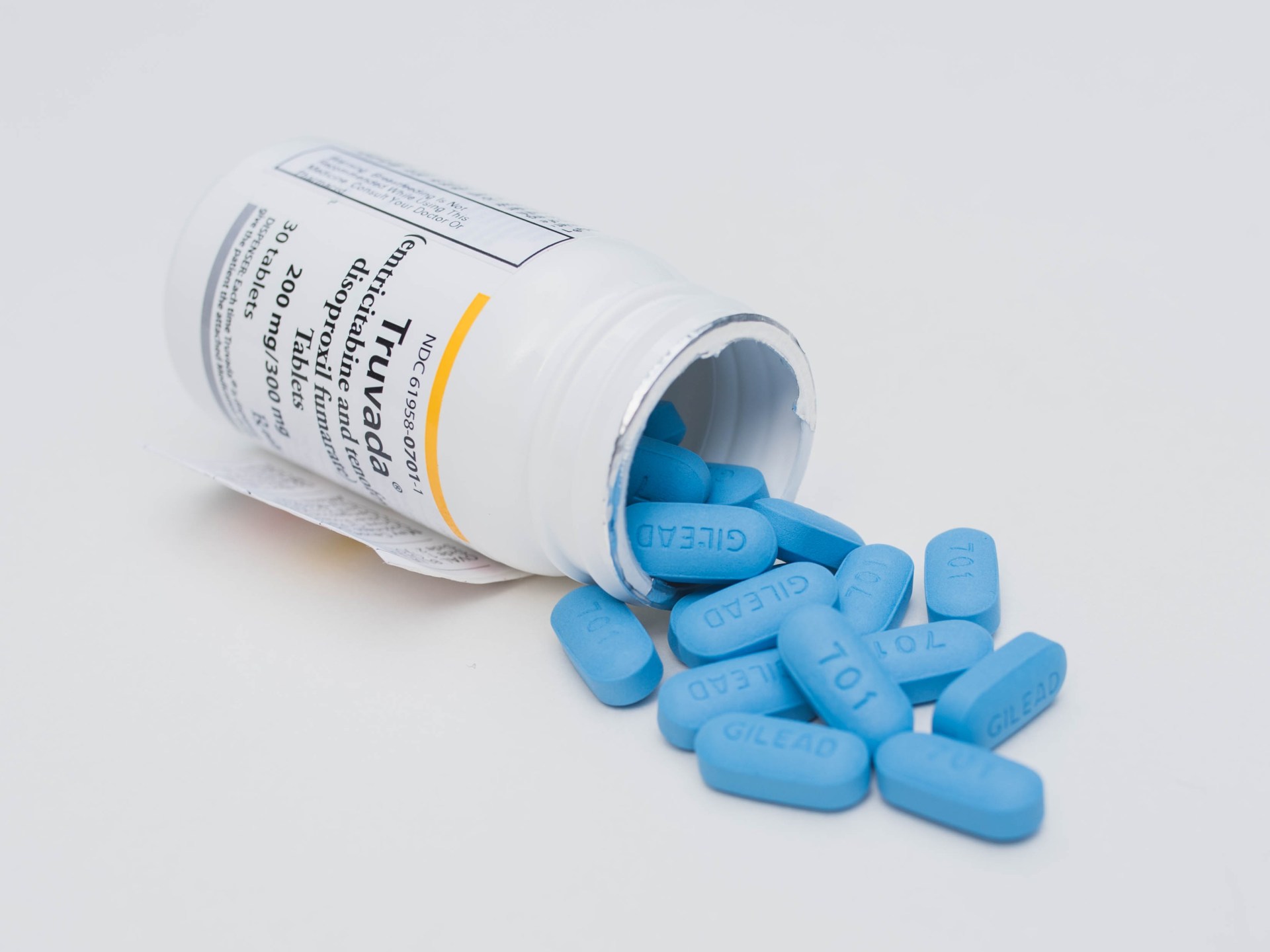
The German Foundation for World Population (DSW) has warned that deep cuts in global funding to combat HIV could undermine years of achievement, threatening to increase millions of new infections.
On the occasion of World AIDS Day, which falls on Monday, the Foundation explained that women and children in Sub-Saharan Africa will be the most affected, as women and girls represent 63% of new infections there.
The Foundation indicated that the past years have witnessed great progress, as infections between mother and child have almost disappeared even in Africa.
The foundation said in a statement: “84% of pregnant women infected with HIV will receive antiviral medications in 2024 to prevent transmission of the infection to their children,” explaining that these gains are now threatened by major setbacks.
The United States was the largest global financier in the fight against AIDS, contributing three-quarters of international funding, but in early 2025 it froze all HIV-related payments by decision of US President Donald Trump. Other countries, including Germany, also reduced their contributions.
The United Nations AIDS Program (UNAIDS) estimates that these reductions could lead to about 3.9 million additional infections by 2030.
“As in a domino effect, awareness is falling that treatment and prevention are indispensable, and that solidarity is the key to a world without AIDS,” the German AIDS Relief Association said.
“We must not allow a disease that was on the verge of decline to turn into a new epidemic,” said Angela Beer, director of programs at the German Foundation for World Population. “We have two options: the return of AIDS or its elimination,” said Weinfried Holz of the board of directors of the German AIDS Relief Society.
One person still dies every minute worldwide due to AIDS complications, according to the German Foundation for World Population. Data from the United Nations AIDS Program indicate that 40.8 million people lived with HIV in 2024, and more than half of them were in sub-Saharan Africa, while about 1.3 million new infections were recorded last year.
In Europe, the European Health Authority and the European Regional Office of the World Health Organization warned that diagnosis and treatment of HIV infections are still delayed in many cases, and this applies to more than half of diagnoses in the region, which increases the risk of transmission and development into AIDS.
In Germany, the latest estimates from the Robert Koch Institute for Disease Control showed that about 2,300 people were infected with HIV last year, an increase of about 200 infections over the year 2023, bringing the number of infected people in Germany by the end of 2024 to 97,700 people. The institute estimates that among them are about 8,200 infections that have not yet been diagnosed.