

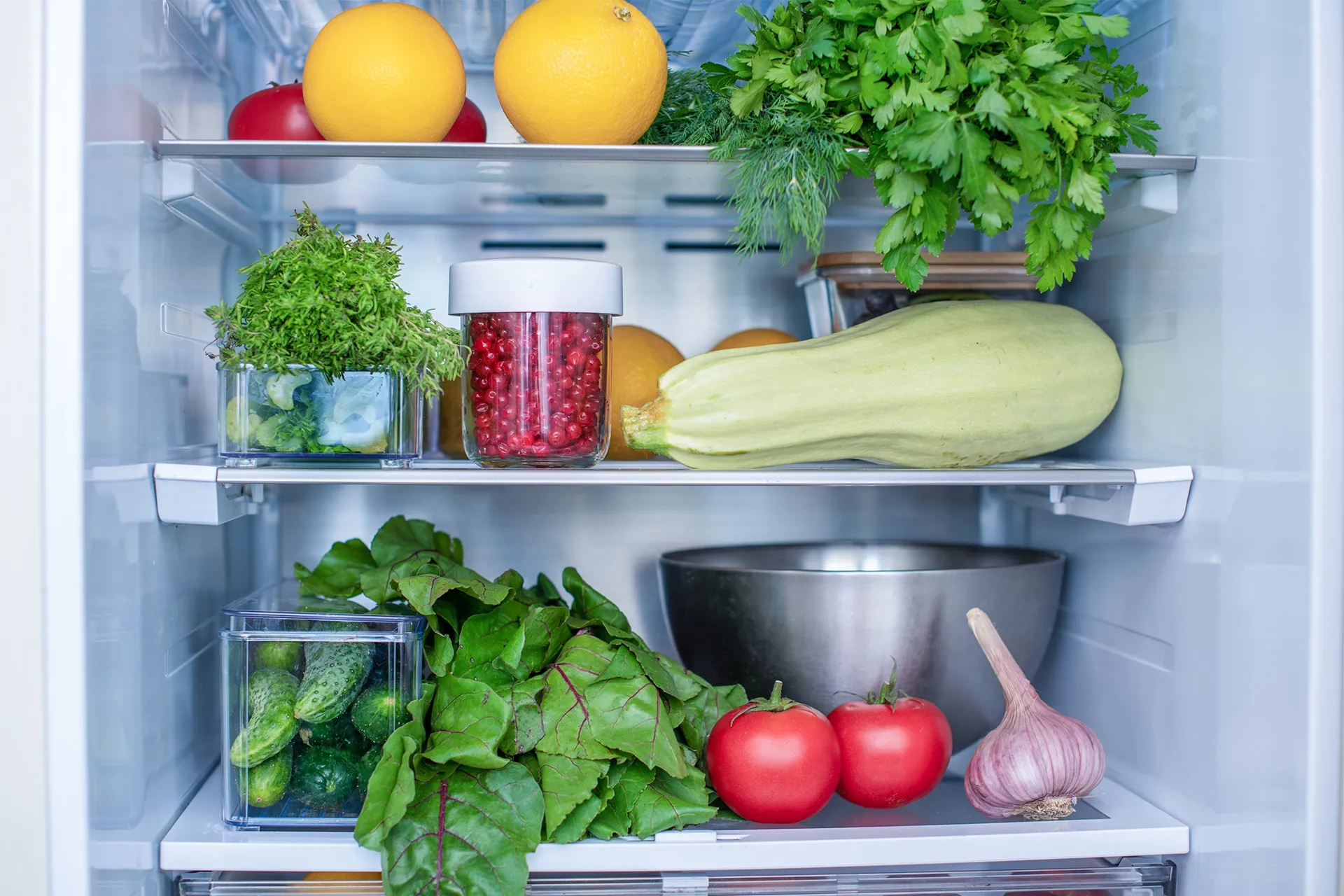
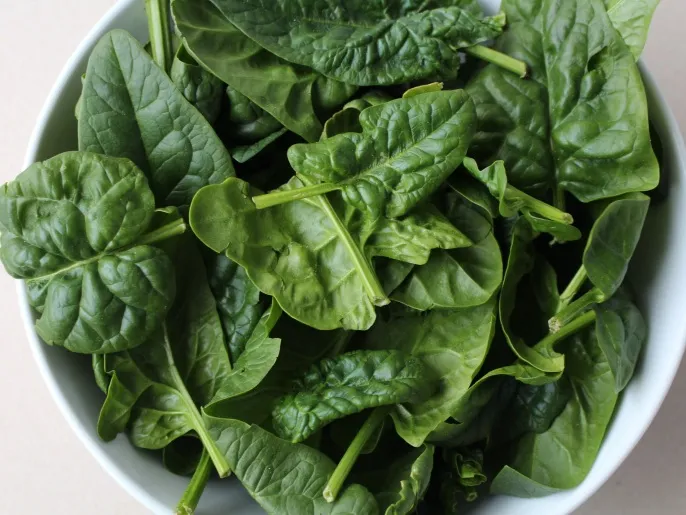
A report issued by the American Environmental Working Group revealed a list of 12 types of the most polluted vegetables and fruits for the year 2026, where spinach topped the list of vegetables in terms of containing the highest percentages of pesticide residues and chemicals, while strawberries came in first place among the most polluted fruits.
The report was based on the latest tests conducted by the US Department of Agriculture, which revealed that spinach, which is considered one of the most important vegetables rich in nutrients, making it an essential component of a healthy diet, contains the highest percentage of pesticide residues compared to any other type of agricultural product.
What are the most polluted vegetables?
The list of 12 types of most polluted vegetables and fruits, ranked in descending order, included spinach, collard greens, strawberries, grapes, nectarines, peaches, cherries, apples, blackberries, pears, potatoes, and blueberries.
Toxic pesticides
The Environmental Working Group noted that DDT, which has been banned for use as an insecticide since the 1970s, still has decomposition effects in the soil, as it was found that 40% of spinach samples in particular contain decomposition products of DDT, which is a toxic substance to humans.
The report revealed that 76% of the samples contained residues of permethrin, a neurotoxic insecticide, and since 2000, Europe has not allowed the use of permethrin on food crops.
Permethrin is a chemical compound that belongs to the group of synthetic pyrethroids. It is mainly used as an insecticide and pest repellent. When high doses are taken, permethrin exhausts the nervous system and causes tremors and nervous seizures.
Among the pesticides found in samples of about 30% of non-organic fruits and vegetables in the United States are PFAS compounds, which are persistent chemicals that pollute the environment.
31 different types of PFAS pesticides were detected in samples of 47 types of agricultural products, with fludioxonil being the most common chemical, and peaches, plums, strawberries, and grapes containing the highest percentage of PFAS pesticide residues.
The danger of agricultural pesticides
In 2015, the scientific journal Springer Nature published a study on the relationship between increased exposure to pyrethroid pesticides – including permethrin – and attention deficit hyperactivity disorder in children.
The study revealed that this association is stronger for symptoms of hyperactivity and impulsivity compared to symptoms of attention deficit, and for boys compared to girls.
A preliminary study published by ScienceDirect in August 2023 found that there is an association between a pregnant mother’s exposure to pesticides and an increased risk of premature birth. Due to the role of pesticides in stimulating inflammation and disrupting endocrine functions.
The US Environmental Protection Agency said in its report on the health effects related to taking doses of different types of PFAS pesticides that it could lead to decreased fertility, high blood pressure in pregnant women, low birth weight, accelerated puberty, bone differences, or behavioral changes in children.
The risks of PFAS pesticides include an increased risk of some types of cancer, including prostate, kidney, and testicular cancer, and a decreased ability of the body’s immune system to fight infection, including a decreased response to vaccines, high cholesterol, and obesity.
Is stopping eating vegetables and fruits a solution?
The EWG report recommended that despite the various pesticides found in fruits and vegetables, eating fruits and vegetables should not be avoided to reduce exposure to PFAS, because the health benefits of consuming them outweigh the risks of exposure, “meaning there is more to be done to address the potential risks.”
Since vegetables and fruits are a cornerstone of any healthy diet, the US Food and Drug Administration has developed 7 steps to clean them and reduce the harmful health effects associated with cultivation and storage methods.
7 guidelines
- Wash hands well for 20 seconds using warm water and soap before and after handling fresh produce.
- Remove damaged or infected parts before preparing or eating.
- Wash vegetables and fruits before peeling them to avoid transferring bacteria and pesticide residues from the knife to the inner part.
- It is also important to gently scrub the products under running water without using soap or special detergents, while using a clean brush to clean hard types such as cucumbers and watermelon.
- After that, it is preferable to dry it using a clean cloth or paper towel to reduce the presence of bacteria.
- Remove outer leaves from lettuce or cabbage.
- Finally, it is recommended to keep vegetables and fruits at low temperatures to maintain their quality and safety.