


A group of researchers presented shocking results at the annual meeting held by the American Association for Cancer Research this year from April 17 to 22, 2026. The results revealed a relationship that may link healthy foods to high rates of lung cancer risk in people under 50 years of age who are non-smokers.
Although these results do not mean that healthy food causes disease, they open the door to new questions about the role of hidden environmental factors, such as pesticide residues, in explaining the increasing cases of lung cancer among non-smokers.
The research conducted by a group of researchers led by oncologist who specializes in lung cancer, George Naeva, from the USC Norris Comprehensive Cancer Center at the University of California, came out with a recommendation that motivates researchers towards a new path that may reveal the relationship between the increase in the number of non-smoking lung cancer patients under the age of 50, especially women, and eating vegetables, fruits, and whole grains.
This recommendation is based on a study that analyzed data from a group of lung cancer patients numbering 187 people, between the ages of 18 and 50 years, all of whom were diagnosed with non-small cell lung cancer (NSCLC), which represents about 85% of cases globally.
The sample included 157 women and a smaller number of men. Genetic mutations were documented for each case. The participants were then divided into 3 groups according to the type of mutations and biological pathways associated with the development of cancer cells.
After that, the researchers collected additional information about the participants, most notably their smoking history, in addition to analyzing their dietary pattern through nutritional questionnaires.
To measure diet quality, the researchers used the Healthy Eating Index (HEI), which ranges from 0 to 100, with higher scores reflecting a healthier diet. The results of the participants ranged between approximately 63 and 65, and the components of the food eaten by the participants were analyzed and classified according to their degree of exposure to pesticides, based on previous studies that classified some foods as more likely to contain pesticide residues.
Based on these data, diet quality and some of its characteristics have been linked to potential factors associated with the development of lung cancer in this group of patients.
Pesticides may reveal mysterious relationship
The results showed that the diets of non-smoking lung cancer patients, especially women, were more dependent on vegetables, fruits, and whole grains.
According to previous studies, these agricultural crops that are widespread in the markets are among the foods most susceptible to contamination with pesticide residues.
Accordingly, the researchers raised the possibility that factors other than smoking may play a role in lung cancer, including possible effects related to diet or environmental exposure to pollutants.
These findings open a new area of research into environmental factors that may contribute to higher rates of lung cancer among women, such as potential exposure to pesticides used in agriculture.
However, the researchers stress that more studies are needed to confirm or deny these hypotheses, especially since the current study relied on estimates of pesticide levels in foods such as fruits, vegetables, and whole grains, based on data from previous research.
The research team believes that it is necessary to move to more accurate methods of measurement, by analyzing blood or urine samples from patients to measure the level of chemicals that may accumulate in the body as a result of eating contaminated foods.
Dr. Naeva, the study’s lead researcher, noted that this step will be crucial to more clearly understanding the relationship between diet, chemical exposure, and disease risk.

The relationship of pesticides to lung cancer
Statistics indicate that non-smoking women are more likely to develop lung cancer compared to non-smoking men, as more than 50% of women with lung cancer are non-smokers. Therefore, many factors have been subjected to research and scrutiny in order to find the factor that may play the main role in raising the percentage among this group and thus avoiding it and reducing the infection rate.
A group of researchers from the United States conducted a study to evaluate the effect of occupational factors (work environment) on the incidence of lung cancer for non-smoking patients (429 women, 294 who had never smoked, and 135 who were former smokers who stopped smoking 15 years before being diagnosed with lung cancer) between 1986 and 1991.
The results revealed that the risk of lung cancer increased by approximately 2.4 times compared to the control group when exposed to pesticides as required by the work environment.
In another study published in the journal Cancer Research Treatment in 2021, researchers from South Korea tracked 7,471 patients between 2003 and 2010. They monitored new cases of lung cancer during the same period and tried to isolate the effect of other factors, such as age or smoking, and evaluate the effect of pesticides on them.
The study found a strong relationship between exposure to pesticides and an increased risk of lung cancer, explaining this by the ability of the chemicals contained in pesticides to cause a series of vital changes within cells that subsequently cause cancer cells to grow and develop.
But they revealed the possibility that other factors may play a hidden role that was not revealed in the previous studies that they relied on for the analysis, in addition to not targeting specific types of pesticides, and the need to evaluate the effect of the duration and intensity of exposure to pesticides on the development or emergence of the disease.
The type of pesticide may play a role
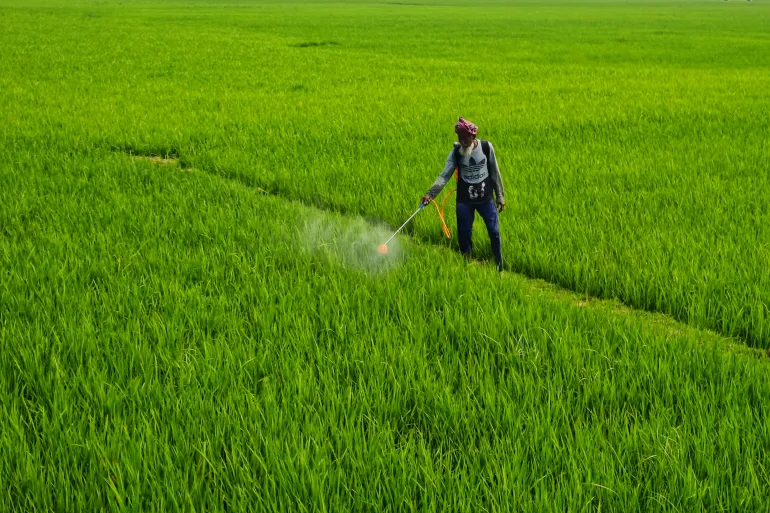
Amid conflicting studies about the relationship between pesticides and the risk of lung cancer, a group of researchers from China hypothesized the possibility that the type of pesticide plays a role in raising the infection rate.
To evaluate this hypothesis, they conducted an analysis of a group of 23 published studies. The results, which were published in 2024 in the journal Archives of Environmental & Occupational Health, showed an increase in the probability of developing lung cancer by 35% as a result of exposure to organochlorine pesticides specifically, while no clear effect appeared among the 33 other types of pesticides included in the study on the risk of developing lung cancer.
These results confirmed a previous systematic review conducted by researchers from China that looked at 26 studies published in 2023 that linked 13 types of pesticides to an increased risk of cancer, all of which belonged to organochlorine pesticides.
Most susceptible to pesticides
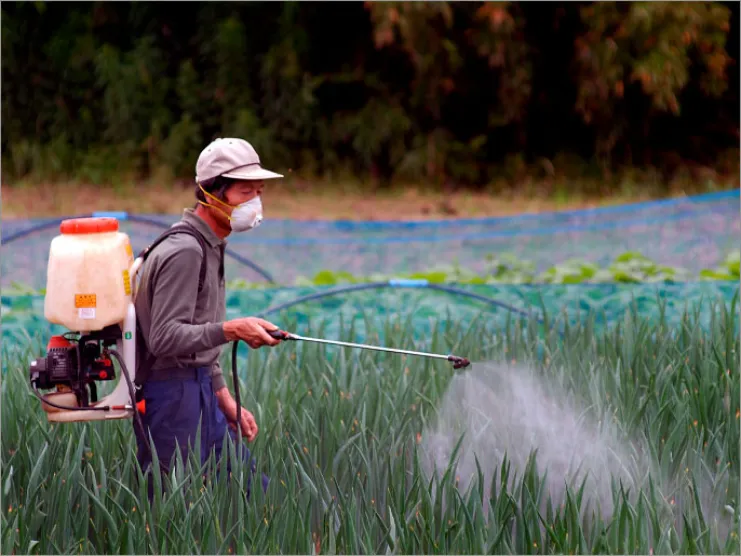
In the same context, a research team from Harvard University conducted a long-term observational study that included 150,830 women and 29,486 men without a recorded history of cancer, and divided the foods consumed based on approved nutritional questionnaires into foods with high concentrations of pesticide residues, and foods with lower concentrations.
The participants were followed for 18 years, and after analyzing the results, the numbers did not reveal a strong and direct relationship between eating vegetables and fruits – whether those containing high or low concentrations of pesticides – and an increased risk of cancer, including lung cancer.
However, it should be noted that the nutritional data may contain a percentage of error due to the participants recording their information themselves without monitoring, and the levels of pesticides in the body were estimated and not measured accurately, and other determinants, which may weaken the results of the study and reduce its credibility.
Healthy foods, which are in high demand among the general public, are still the subject of much research. While controversy arises about the high possibility of vegetables and fruits – the most consumed in the markets – being exposed to pesticides, on the other hand, the spotlight is highlighted on the health benefits that organic crops may provide, which do not use any pesticides or fertilizers during their cultivation.
In this regard, a study published in JAMA in 2018 indicated that increasing consumption of organic products reduces the risk of cancer in general.
The study followed 68,946 people from 2009 to 2016, during which it collected their average consumption of approximately 16 types of organic food products. However, some researchers in this regard indicate that the health benefits may be the result of the nutritional elements these organic products contain that play a role in raising their nutritional value, regardless of the effect of pesticides to which they may be exposed.
“
Many experts stress the necessity of subjecting these results to further research and experiments that reveal the true effect of pesticides on health, and their relationship to the risk of cancer, specifically lung cancer.
Lung cancer is one of the most prominent causes of death around the world, with one million and 800 thousand deaths recorded in 2022, and although smoking is one of the most prominent factors causing lung cancer, the numbers showed a high rate of lung cancer among women under 50 years of age who are not smokers, in contrast to the statistics that showed a noticeable decrease in the rates of lung cancer recorded among men, which prompted research towards trying to uncover the relationship behind these infections.