

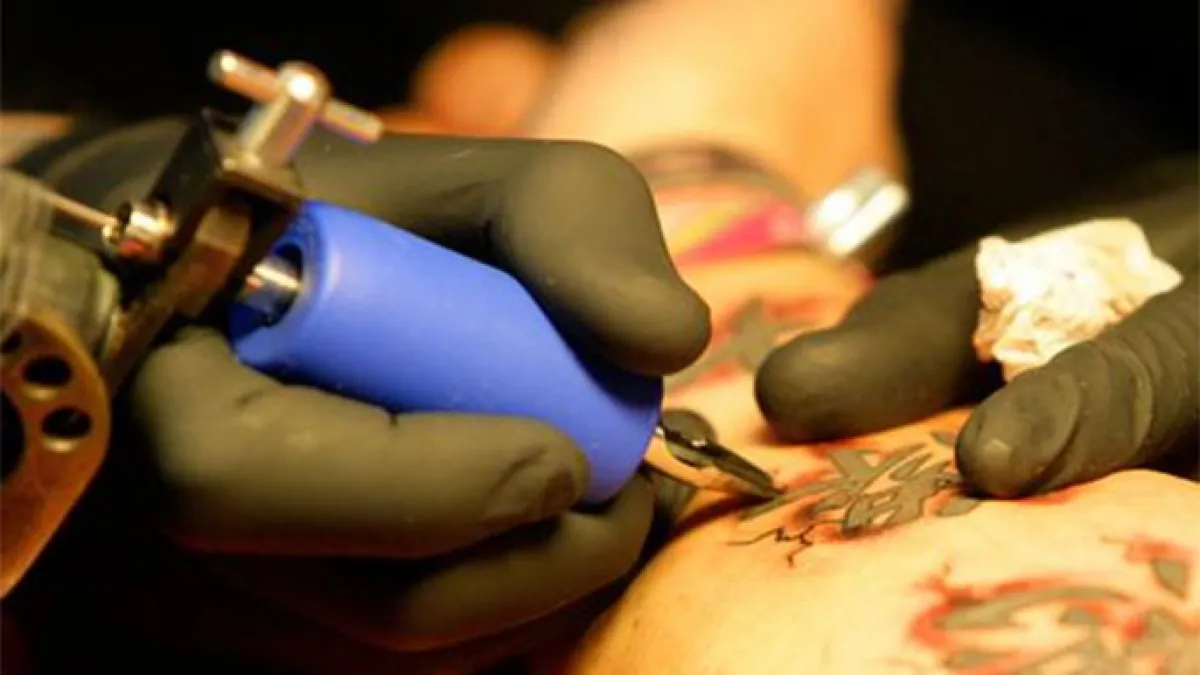
Tattoos are no longer just an aesthetic phenomenon or a personal expression, but rather have become a common practice globally, as estimates indicate that about one person in five has a tattoo. With this spread, scientists are increasingly interested in understanding its biological effects, especially on the immune system.
Tattooing is done by inserting ink into the dermis layer under the skin using fine needles. Once it enters, the body treats it as a foreign body, so immune cells, especially macrophages, attack it and try to get rid of it.
However, the ink particles are difficult to break down, so they remain trapped inside the skin, which makes the tattoo permanent. Studies also indicate that part of these molecules may travel through the lymphatic system and settle in the lymph nodes.
Chemical composition of ink
Tattoo inks are a mixture of pigments, solvents, and preservatives, and may contain heavy metals such as nickel, chromium, cobalt, and sometimes lead.
It also contains organic compounds that can decompose over time into potentially harmful substances, according to some studies.
Modern studies
A recent scientific study titled “Accumulation of tattoo inks in lymph nodes and alteration of immune responses,” published and conducted by researchers within the Proceedings of the National Academy of Sciences (PNAS), a peer-reviewed scientific journal of the National Academy of Sciences in the United States, directly investigated the fate of tattoo ink within the body and its effect on the immune system.
The study showed that:
- Tattoo ink can accumulate in the lymph nodes, which are major centers for regulating the immune response
- Immune cells such as macrophages absorb these molecules, causing long-term inflammation
- This interaction may lead to changes in the efficiency of the immune system
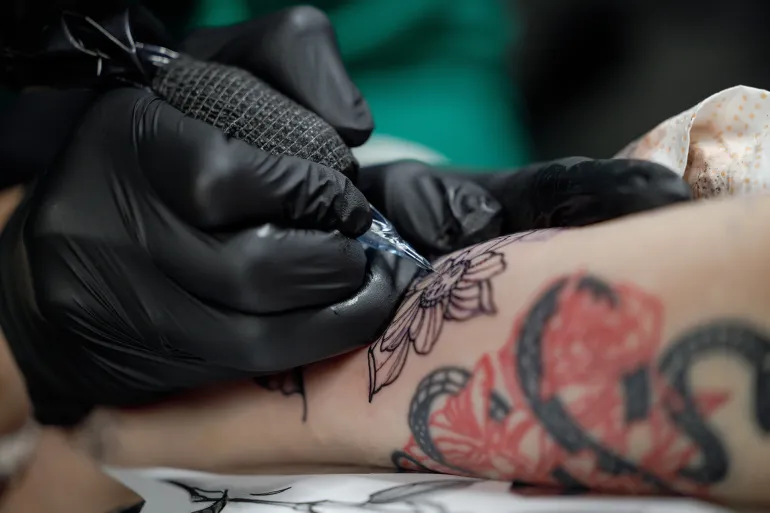
Do tattoos affect vaccines?
The results of the study showed that the effect of tattoos on immunity is complex, as it can:
- Reduces response to some vaccines, such as COVID-19 vaccines
- Enhances response to other types such as influenza vaccine
This indicates that the presence of ink inside the body may change the way the immune system reacts to various stimuli.
Most common health effects
Although tattooing is relatively safe, the most common complications include:
- Allergic reactions, especially to red colours
- Skin infections may appear months or years later
- Risk of infection in the absence of sterilization
The components of tattoo inks are still subject to limited oversight in many countries, although they began to be regulated in Europe in 2022 within the framework of the “REACH” program.
Recent research indicates that tattooing is not just an art drawn on the skin, but rather a complex biological process that includes a continuous interaction between the ink and the immune system.
Although there is no conclusive evidence yet proving serious long-term harm, these studies open the way for a deeper understanding of the impact of tattoos on health, and at the same time confirm the need for more research and regulating legislation.