

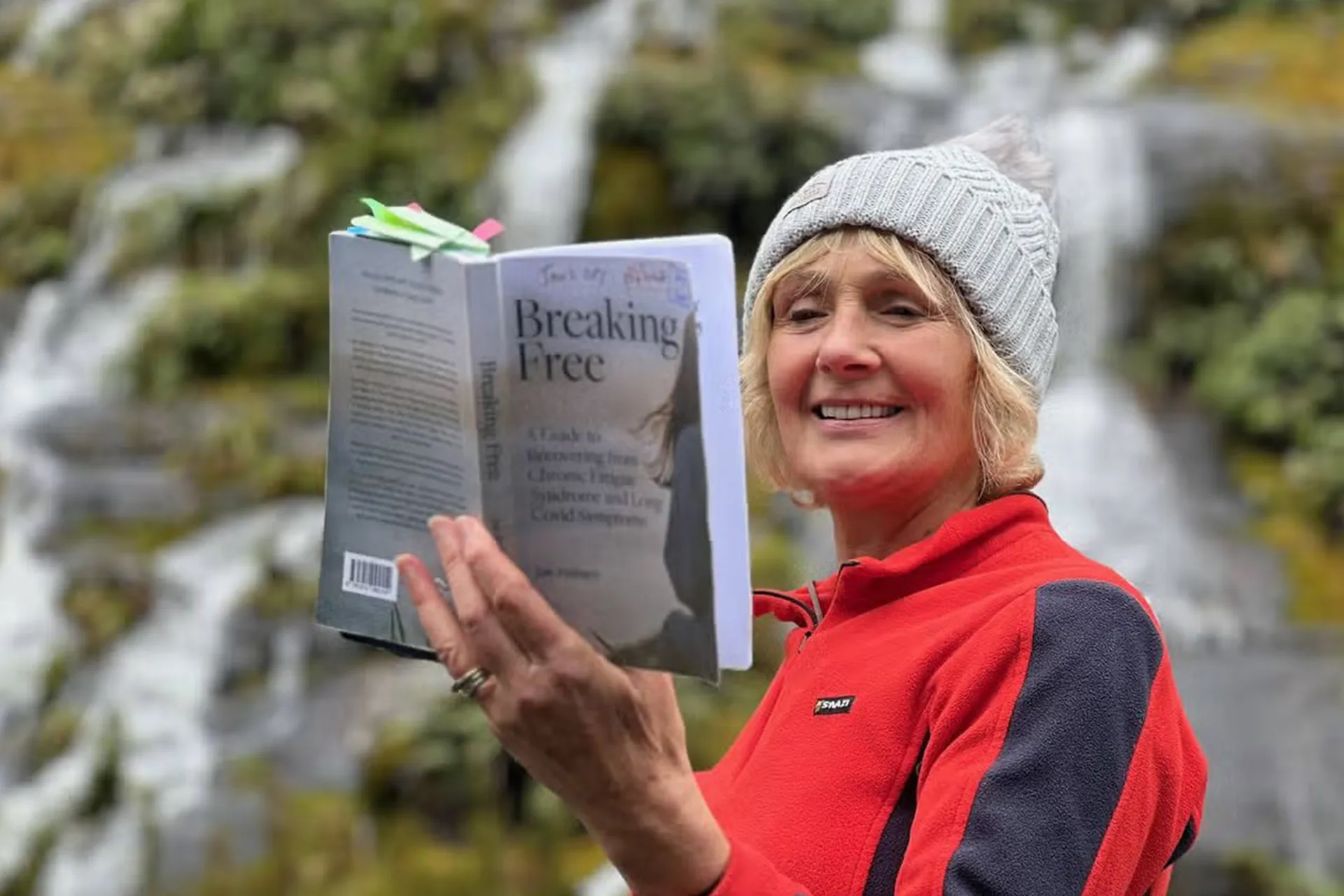
British Jean Rothney returned home after an evening with her friends, feeling cold-like symptoms. She thought that sleep would help her regain her energy after a period of exhaustion, but she says that she entered into a frightening experience, the details of which she did not understand until after she woke up.
According to local reports, Ruthney went to bed on September 11, 2003, and did not wake up until November 26 of the same year. But the woman says that after she woke up, she estimated that she had slept for 45 days, a period that does not match the two dates mentioned in the reports, as they are 76 days apart.
In a separate interview with the publishing house Arcbound, Ruthney described what happened as a sleep that lasted “about a month.” The available sources do not determine the reason for the difference between these narratives.
Reports agree that Ruthie’s awakening was not the end of her suffering, but rather the beginning of a long phase of extreme fatigue, before she was later diagnosed with “chronic fatigue syndrome.”
From bedtime to daily battle
According to British reports, Ruthney’s two daughters noticed that she was not waking up, so they sought help from her grandmother and a family neighbor. The family did not call the emergency services during that period, according to the published account, because they believed that as long as she was breathing, there was no need to do so. She was given fluids to avoid dehydration, while reports say she lost more than 3 kilograms because she was unable to eat.
But waking up was not the end of the suffering. Ruthney continued to feel extremely exhausted, and would sometimes collapse on the bathroom floor while trying to reach the toilet, then fall asleep again without knowing how much time had passed. She says that she sometimes had to go down the stairs sitting because walking drained her energy.
When she saw doctors, she underwent blood and urine tests and was diagnosed with myalgic encephalomyelitis, also known as chronic fatigue syndrome. It took five months after the diagnosis until she regained strength enough to drive her car to the store, according to press reports.
Ruthney describes the transformation she experienced as a sudden transition from extreme activity to physical and mental inability to perform tasks that she considered normal. She said the experience was terrifying, and she stuck to the idea of recovery by celebrating small steps, such as being able to get out of bed every day.
A setback that changed the course of her life
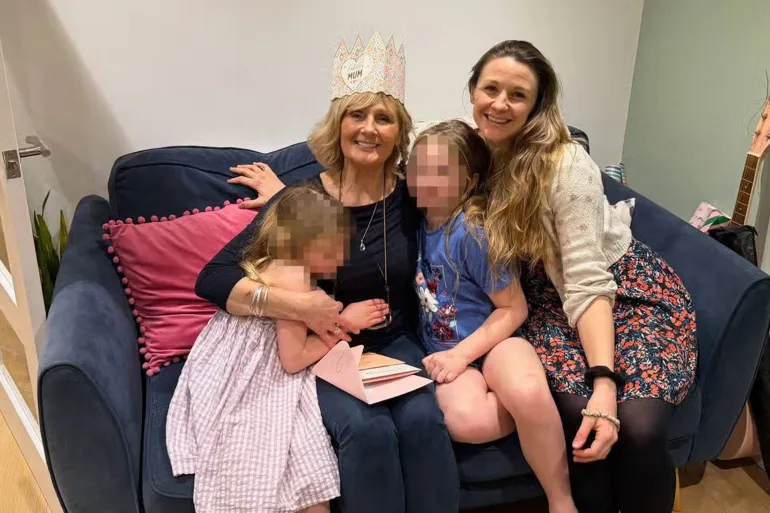
The first attack was not the end of the story. After about 3 years, the symptoms returned, and Ruthney experienced a new setback that made her realize that the first improvement was not the end of her suffering. She says she was referred to a specialist chronic fatigue clinic, where she began a more in-depth review of her lifestyle.
She quit her job and retrained herself to become a health coach, recounting her experience in the book Breaking Free. Her name was also linked to the “Reset to Thrive” program that she offers for recovery, according to the interview published on the “Arkbound” website.
Ruthney says that severe attacks have not occurred again for about 20 years, and that she now feels more energetic than before. She believes that the disease forced her to reconsider her way of living and her obligations, after she was exhausting herself at work and meeting the demands of others.
This is the summary of her personal experience, and does not mean that changing lifestyle alone guarantees recovery from chronic fatigue syndrome, or that what worked for her is suitable for all sufferers.
A syndrome that goes beyond feeling tired
Myalgic encephalomyelitis, or chronic fatigue syndrome, is a long-term condition that may severely affect the sufferer’s ability to carry out usual activities. Symptoms include severe fatigue, sleep disturbances, and difficulties in concentration and memory, as well as worsening symptoms after physical or mental exertion, and recovery may take days or weeks.
The British Health Service explains that this syndrome may make simple daily activities, such as showering or going to work, very difficult. Sufferers may sleep for long periods or wake up without feeling rested, while symptoms limit their ability to perform their usual tasks for extended periods.
There is no single test that confirms this syndrome, as diagnosis depends on evaluating the symptoms and ruling out other conditions that may cause it. The exact cause of the condition is still unknown, and there is currently no cure, although there are ways to help manage the symptoms.
Ruthney’s story remains a remarkable personal experience about an illness that changed the course of her life, and about a long journey to rediscover her limits and priorities. As for the duration of her sleep, it remains a subject of disagreement in published reports, and press accounts alone are not sufficient to medically explain what happened to her.