

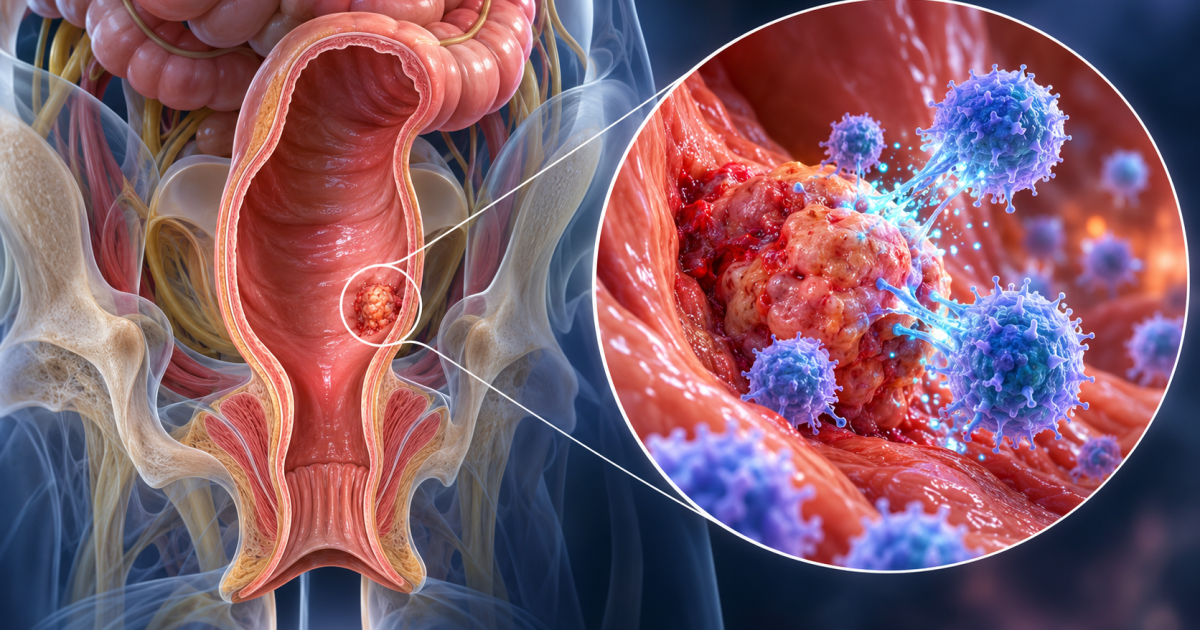
Some rectal cancer patients may be able to avoid surgery, chemotherapy, and radiation, after the US Food and Drug Administration (FDA) approved the use of an immunosuppressive drug alone to treat a specific group of people with the disease, in a step that may change the way doctors deal with some rectal tumors, and allow patients to retain their organs and their normal functions.
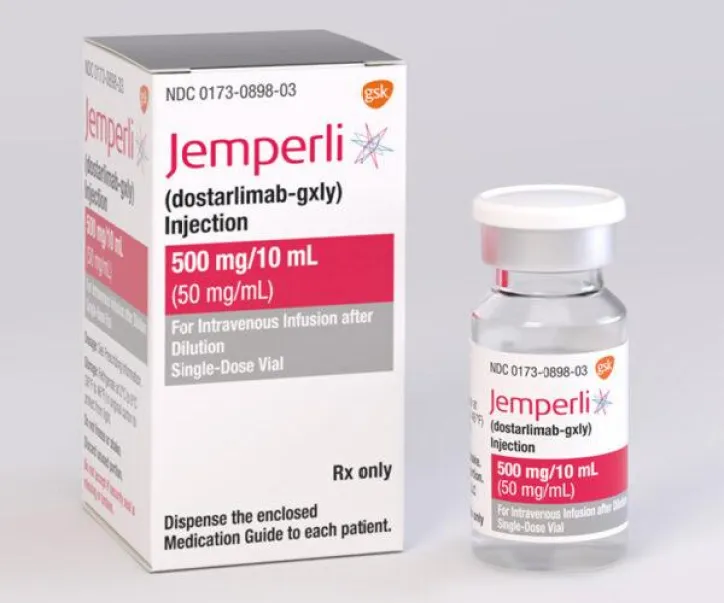
The accelerated American approval came on October 19, 2026, after an international clinical trial showed that 71% of participants did not need surgery or additional treatments, and their cancer had not progressed by the time the results were analyzed, after receiving the drug “Dostarlimab,” commercially known as “Jemperli.”
The importance of this development lies not only in controlling the tumor, but also in the possibility of sparing some patients from the consequences that may result from traditional treatments, including disorders of defecation, urination, and sexual functions, loss of fertility, and sometimes the need to install a permanent bag to collect waste.
However, this treatment option is not suitable for all people with rectal cancer, as it is limited to tumors that have specific molecular characteristics that make them more responsive to immunotherapy, and the long-term persistence of results is still under study.
From surgery to immunotherapy
In many cases, treatment of locally advanced rectal cancer depends on a combination of interventions, including chemotherapy, radiation, and surgery, with the aim of eliminating cancer cells and preventing the recurrence of the disease.
Despite the effectiveness of these methods, the location of the rectum within the pelvis makes some surgical and radiation interventions associated with complications that may affect the patient’s quality of life for many years, even after the treatment succeeds in controlling the cancer.
This problem is more important in younger patients, who may face long-term effects related to fertility, excretory control, or sexual functions.
Hence the idea of using the immune system itself to attack the tumor instead of relying on surgery and traditional treatments.
According to the official announcement of the US Food and Drug Administration, the new approval includes adults with locally advanced rectal cancer in the second and third stages, who have not received previous treatment for the disease, and whose tumors show a defect in the DNA repair system or an increase in microsatellite instability.
These two conditions, known as “dMMR” and “MSI-H”, mean that cancer cells are unable to fix some errors that occur while copying their genetic material, which leads to the accumulation of changes that make the tumor more recognizable by the immune system.
How does the medicine work?
Dostarlimab belongs to a class of drugs called immune checkpoint inhibitors, which are treatments that help the immune system recognize and attack cancer cells. Some tumors can use molecular signals to inactivate the immune cells that are supposed to fight them.
The drug works to inactivate a protein called PD-1 found on the surface of some immune cells, which raises one of the barriers that limit their ability to attack cancer.
This method is of particular importance in tumors that suffer from defects in DNA repair, because the changes accumulated within their cells may make them more visible to the immune system.
But these characteristics are not common to all rectal cancer patients; Estimates cited by the American Authority indicate that it is present in about 3% of cases of locally advanced rectal cancer.
This means that identifying patients eligible for treatment depends on molecular examinations of tumor tissue, and not on the patient’s age or tumor size alone.
What did the clinical trial reveal?
The US agency’s decision was based mainly on the results of an international phase II trial called AZUR-1, which included 154 patients with locally advanced rectal cancer, whose tumors bore the targeted molecular characteristics.
Participants received a dose of 500 milligrams of dostarlimab intravenously every 3 weeks, for a maximum of 9 doses over a period of about 6 months.
Patients underwent repeated evaluations using endoscopy, magnetic resonance imaging, and computed tomography to determine the extent of the tumors’ response to treatment.
After an intermediate follow-up period of 26.3 months, the data published by the Food and Drug Administration showed that 110 patients, representing 71% of the participants, did not need any additional treatment, and no progress in the disease was recorded at the time of data analysis.
On the other hand, 26 patients underwent surgery, with some receiving additional treatments, while 13 other patients required additional drug or radiation treatment without surgery.
When assessing the complete clinical response sustained over a period of 12 months, the rate reached 47% of evaluable patients according to an independent review, compared to 68% according to the assessment of the researchers conducting the study.
The term “complete clinical response” refers to the absence of detectable signs of the tumor using approved tests, but it does not necessarily mean that all cancer cells have been eliminated or that the disease is impossible to return.
Some participants had already achieved a complete response, but had not yet completed the required 1-year follow-up period when the database closed, which affects the calculation of the sustained response rate.
Unprecedented results in a previous study
The story of this treatment did not begin with the new US approval. In 2022, researchers from Memorial Sloan Kettering Cancer Center in New York revealed preliminary results for dostarlimab that showed the disappearance of detectable signs of rectal cancer in all patients who completed treatment in the first group of a small trial.
Extended results were published in the New England Journal of Medicine in April 2025, showing a complete clinical response in all 49 patients who completed treatment in the rectal cancer group, without requiring surgery to remove their tumors.
The American authority also relied on updated data from this study, which included 50 patients, and showed that the complete clinical response continued for one year in 93% of evaluable patients.
Among 27 patients followed for at least 3 years, one case of local recurrence of the disease was recorded, which was treated by lymph node resection.
These results raise the possibility that immunotherapy alone may become an option for some patients, but they also reveal the importance of continued follow-up, even when the tumor appears to have completely disappeared.
5 years without the cancer returning
The experience of American Sascha Roth exemplifies the impact that this treatment may have on the lives of patients. Ruth was 38 when she was diagnosed with rectal cancer and went to Memorial Sloan Kettering for a second opinion, before joining an immunotherapy clinical trial.
After 6 months of receiving dostarlimab, the medical team informed her that the tests no longer showed any signs of a tumor. According to a report published by the medical center on October 19, 2026, Ruth has passed 5 years since the end of treatment without detecting a return of the cancer, and she was able to continue her life and work without undergoing the traditional treatments that she was preparing to receive.
Her experience does not represent evidence that the drug achieves the same result in all patients, but it does illustrate the value that it may have in preserving the rectum and normal body functions, in addition to controlling the disease.
Andrea Cercek, an oncologist at Memorial Sloan Kettering Center and the lead researcher in the trial, points out that the goal of treatment is not limited to saving the patient’s life, but also includes reducing the permanent effects that surgery, chemotherapy, and radiation may have.
Some participants in the studies were able to conceive after immunotherapy, after it was possible that traditional treatments would affect their ability to conceive.
Is the need for surgery over?
Despite the promising results, the new approval does not mean that surgery is no longer necessary for all rectal cancer patients. Some tumors do not respond fully to immunotherapy, and their patients may need surgery, chemotherapy, or radiation. Cancer may also return in some patients after its initial signs disappear.
One of the striking results in the “Azur-1” trial was that post-surgery tissue examination showed the disappearance of cancer cells in 12 out of 15 patients who underwent surgery after receiving the drug alone, after imaging tests indicated the possibility of their incomplete response.
This result illustrates one of the challenges facing doctors, which is to accurately distinguish between residual tumor and changes left in the tissues by treatment, to avoid unnecessary surgeries without risking leaving behind active cancer.
This is why the plan to avoid surgery depends on intensive follow-up, and not on stopping treatment and examinations once the condition improves.
In the main trial, patients who achieved a complete response underwent periodic follow-up examinations every 4 months for the first 2 years, and then every 6 months thereafter.
What about side effects?
Immunotherapy is not without risks, although some complications associated with surgery, radiation, and chemotherapy can be avoided.
Activating the immune system may lead to attacking healthy tissues in the body, which may cause infections or complications affecting various organs, which may be serious in some cases.
According to data announced by GlaxoSmithKline (GSK), the drug manufacturer, the main trial recorded serious side effects in 20% of patients.
The most common symptoms were fatigue in 32% of participants, rash in 22%, diarrhea in 18%, and itching in 17%. Also, 3% of patients had to stop treatment permanently due to side effects.
These results confirm the necessity of administering the drug under specialized medical supervision, and monitoring possible complications throughout the treatment period.
Cancer is increasing among young people
This development comes at a time of increasing concerns about rising rates of colorectal cancer among younger adults.
According to the American Cancer Society’s 2026 report, it is expected that about 158,850 new cases of colorectal cancer will be recorded in the United States during the year, in addition to about 55,230 deaths. Among the expected cases, there are about 49,990 cases of rectal cancer specifically.
The association’s data indicates an increase in the incidence of colorectal cancer by about 3% annually among the age group between 20 and 49 years between 2013 and 2022, compared to a decrease among the elderly.
Collectively, colorectal cancer has become the leading cause of cancer-related deaths among Americans under the age of 50, which makes therapeutic developments that preserve fertility and bodily functions additional importance.
What comes after expedited approval?
Although “dostarlimab” is not a completely new drug, as it has previously been used to treat other types of cancer, the American decision represents the first approval of an immunotherapy alone for this specific category of patients with rectal cancer in stages II and III.
But the approval came through the accelerated path, which allows some promising treatments to be made available based on early indications of clinical benefit, with the condition that studies continue to confirm their effectiveness in the long term.
Also, the trials on which the decision was based were from the second phase, and did not include randomized comparison groups that received conventional treatments, which imposes caution when drawing conclusions regarding final recovery or survival rates.
The first step for eligible patients is to undergo the necessary tests to determine the molecular characteristics of the tumor, then discuss treatment options with a team specialized in gastrointestinal tumors.
Thus, the question before some rectal cancer patients in the future may not only be how to eradicate the tumor, but rather whether it is possible to eliminate its signs with immunotherapy, while preserving the organ and its normal functions, and without sacrificing the chances of controlling the disease.