

Do you always promise yourself to do a monthly breast self-examination after your regular visit to the gynecologist, and then ignore it?
In fact, you shouldn’t do that, because breast cancer usually causes no symptoms or pain at first, according to Dr. Klaus Dubeck, president of the German association of professional gynecologists (BVF). The earlier it is detected and treated, the better the chances of recovery, as it is highly treatable in its early stages.
How to perform a breast self-examination?
- Good lightingDr. Dobek advises examining the breast carefully in front of a mirror.
- Apparent changesA: Is there any change in the shape or size of the breast? Is there any swelling? Raise your arms and check for any changes, such as wrinkles or dimpling of the skin that looks like an orange peel.
- Skin color: Peeling or discolouration of the skin (redness or rosacea in fair-skinned women, redness or darkening in dark-skinned women) can be a sign of a problem.
- Feel the breast: Feel the breasts to look for any lumps or unusual thickened areas, andDon’t forget to examine the armpit area, as breast tissue is also located there.
- Other symptomsPain, swelling, or a feeling of slight pulling in the breast during the examination can be warning signs, as can any discharge from the nipple, whether clear or bloody.
If you notice anything suspicious, the BVF Association advises you to see a doctor immediately, and remember that any suspicious sign does not necessarily mean that you have breast cancer.
What is the best time for examination?
- During the menstrual cycleThe best time for a self-examination is between the third and seventh day from the start of your period, when the texture of the glands is softer, making lumps or thickened areas easier to detect.
- After or before menstruation: If you are post-menopausal or miss your period for other reasons, try to choose a fixed day every month to do the examination, and you can set a reminder on your phone to avoid forgetting.
Additional tip
Regular breast self-examination makes you more aware of the condition of your breasts, helping you notice any changes more easily.
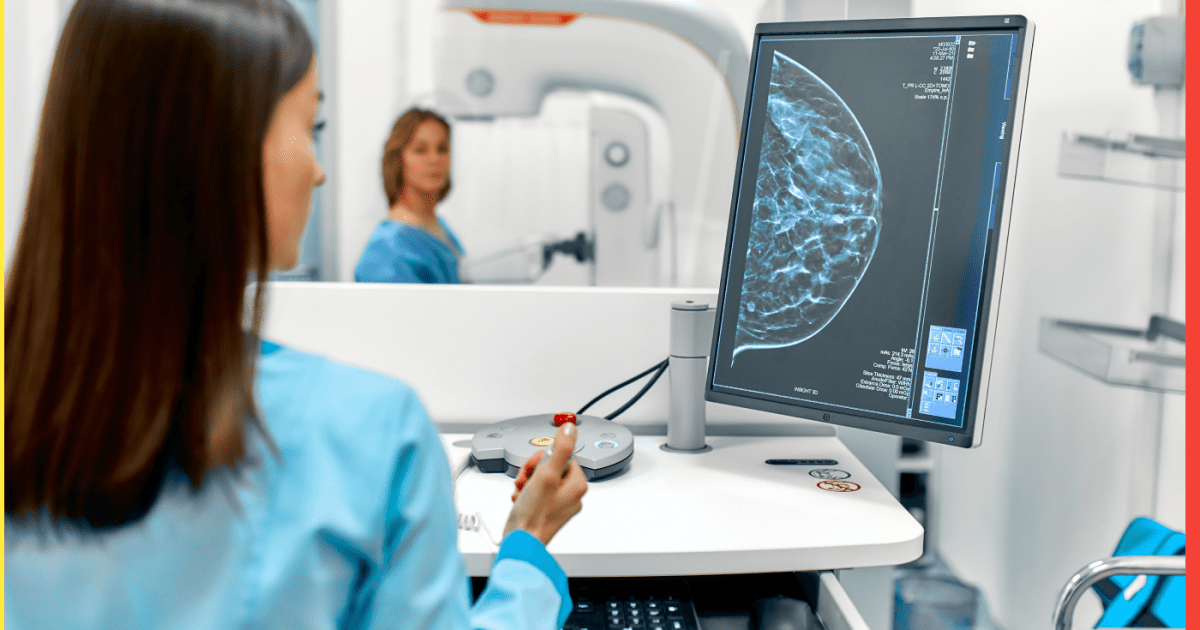
Finally, the BVF Association emphasizes that breast self-examination is not a substitute for regular clinical examinations conducted by health care professionals, or for mammograms for early detection of breast cancer.