

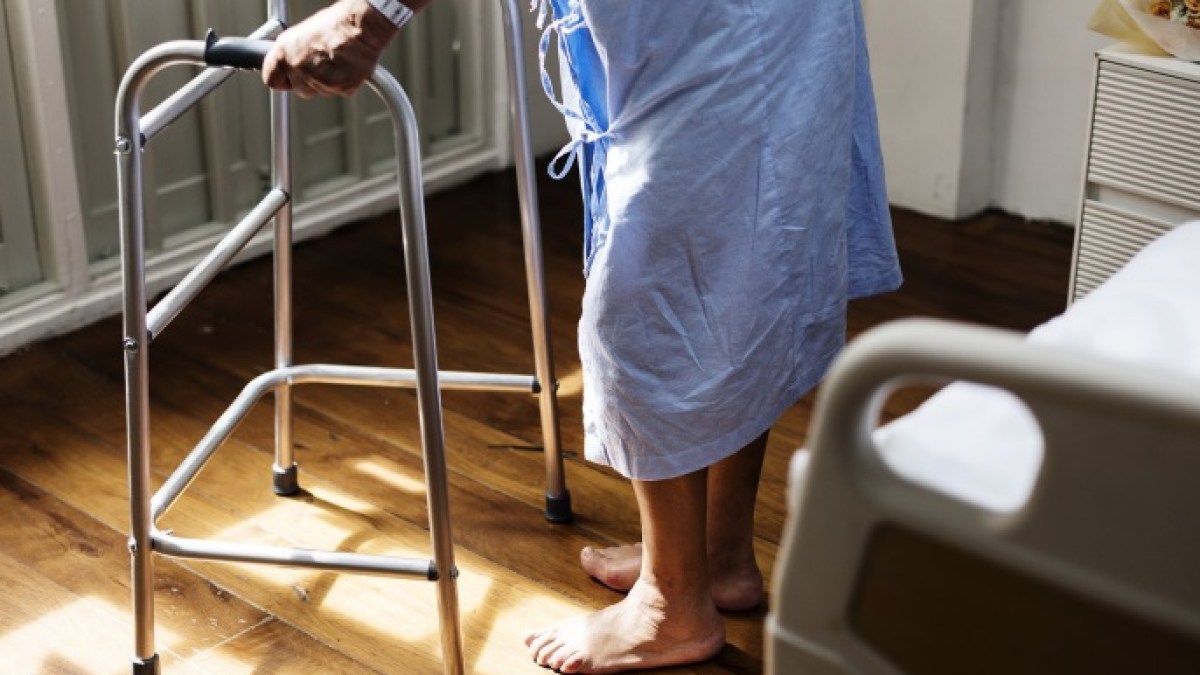
A new study links levothyroxine, the second most prescribed drug among older adults in the United States, to an increased risk of bone loss.
Levothyroxine is prescribed to treat hypothyroidism, a common condition that occurs when the thyroid gland does not produce enough thyroxine, leading to symptoms such as fatigue, weight gain, and hair loss.
Although failure to treat hypothyroidism may lead to serious and potentially fatal complications, excessive intake of thyroid hormone may cause what is known as hyperactivity of this gland, which can lead to heart palpitations, high blood pressure, tremors, anxiety, weight loss, and increased risk of bone fractures.
Dr. Shadpour Demahri, co-author of the study and professor of radiology at Johns Hopkins University in the United States, said – according to the American magazine Newsweek – “Our study indicates that even when following current guidelines, the use of levothyroxine appears to be associated with greater bone loss in older people.”
“Data suggest that a significant proportion of thyroid hormone prescriptions may be given to older adults without hypothyroidism, raising concern about relative excess of thyroid hormone,” said Dr. Elena Gotby, co-author and postdoctoral fellow at Johns Hopkins University School of Medicine. Thyroid gland.
Loss of bone density
Gotby’s team found that taking levothyroxine may put patients at risk for losing bone density, which could lead to conditions such as osteoporosis, a bone disease characterized by weak, easily broken bones.
Loss of bone density is a normal part of the aging process, like loss of muscle mass, and particularly affects postmenopausal women. But in the case of osteoporosis, some may suffer fractures in the ribs only when they cough or sneeze, or they may develop long-term chronic pain due to partial fractures of the spine.
“Bone loss is certainly a part of aging and brings with it important complications and diseases,” Gotby explained. “Therefore, any intervention that might accelerate this process should be carefully examined.”
In this study, which is scheduled to be presented next week at the annual meeting of the Radiological Society of North America, a team of radiologists and endocrinologists looked at the relationship between levothyroxine and long-term bone loss.
The researchers used data from the Baltimore Longitudinal Study of Aging, which included adults over 65, and focused only on older adults with healthy ranges of thyroid hormones.
Among the study participants, 81 people took levothyroxine and had normal thyroid hormone levels, while 364 participants did not take any thyroid medications.
“Our study did not look at why thyroid hormone was initially prescribed, but focused only on the levels during treatment,” Gotby said. “In individuals with reduced thyroid function (hypothyroidism) thyroid hormone production is disrupted, and treatment aims to return them to normal.” Reference range.
After an average of six years, adults taking levothyroxine were more likely to lose bone mass and density than those not taking thyroid medication.
No need to worry
“Adults who take levothyroxine should discuss treatment with their doctor and monitor their thyroid function regularly,” said Dr. Jennifer Mammen, co-author and assistant professor of endocrinology at Johns Hopkins University.
Gotby emphasized that people who take levothyroxine correctly to treat true hypothyroidism should not worry about this drug.