

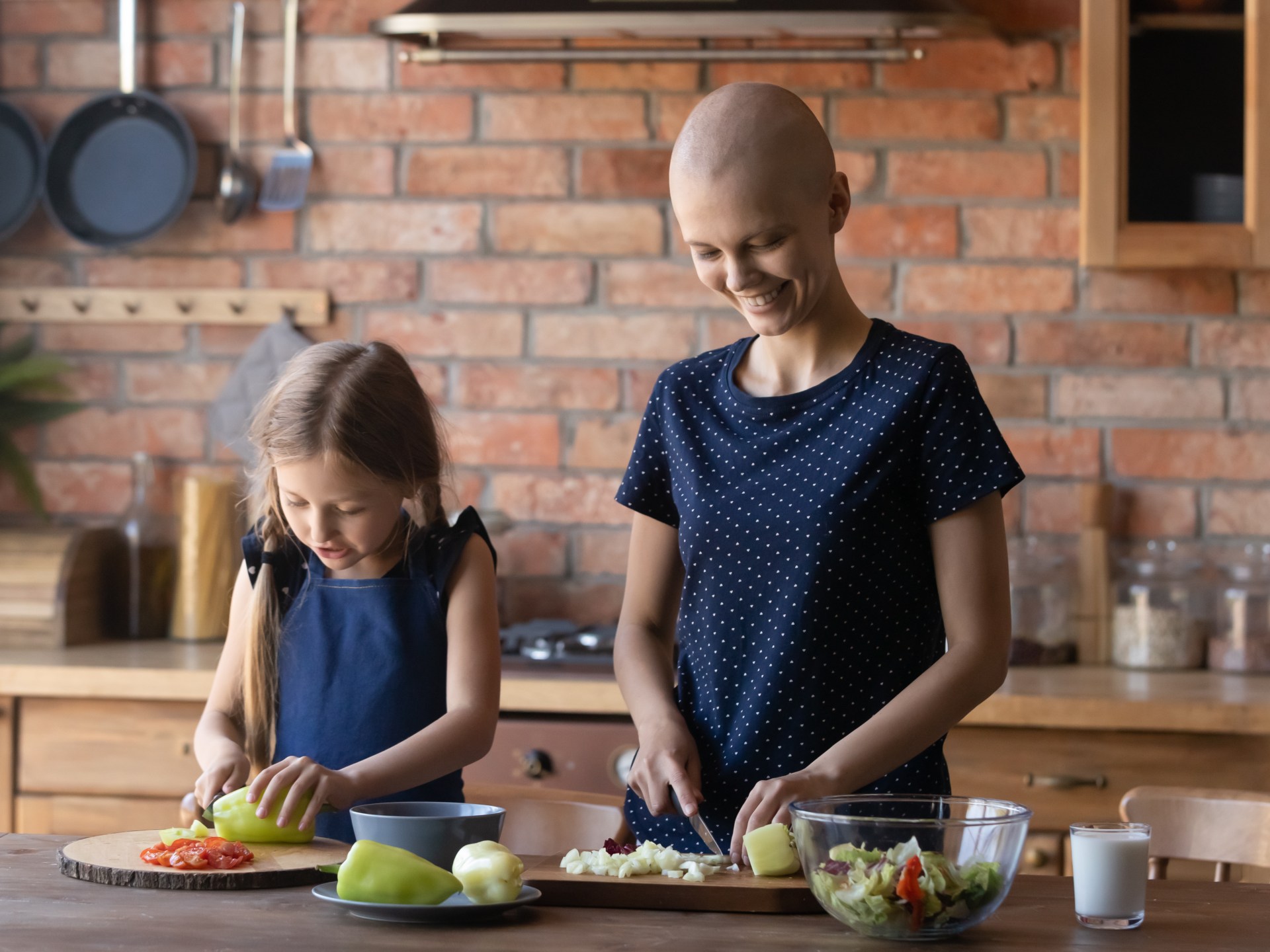
Talking about food constitutes a haven to break the stalemate of dialogues and a way to bring the views closer, and a way to express culture and beliefs, which makes it an ideal topic for discussion on various occasions, and the talk of food is more exciting for people when it comes to cancer patients, as many stories can be listed.
Individuals often draw their unreliable information on this topic from popular tales and what is published on communication networks. Although some suggestions are logical on the surface, many of them may expose patients to the risk of not eating enough food that cover their energy, fat, protein, and other nutrients, as experts explain.
The cancer patient is lost between the hammer of society, the abundance of information and advice, the anchor of the disease and its related treatments and side effects. What do specialists say about the food that the cancer patient has eaten?
The difference between the needs of the cancer patient and the needs of the healthy people
Persons with cancer – mostly – need to follow different dietary systems from what we think is healthy. For most people, a healthy diet includes a lot of fruits, vegetables, bread and whole grains, adequate amounts of protein free of fat and dairy products, small amounts of sugar, salt and saturated fat (such as those in butter, meat and dairy products). Eating enough food does not constitute a problem when a person is in good health. But when it comes to a cancer who receives treatment, this may be a real challenge.
The cancer patient needs more protein and calories. Sometimes, its diet may need to include additional amounts of meat, fish, eggs, dairy products and vegetable proteins. If he suffers from difficulty chewing and swallowing, he may need to add sauces and broth, according to the National Cancer Institute in the United States. It may need to eat low fiber foods instead of foods rich in fiber. The dietitian can help with any nutritional changes that the patient may need.
Medicines and their side effects related to food
Cancer treatments are designed to kill cancer cells. But these treatments may also destroy healthy cells. Proper cell damage can lead to side effects that lead to eating problems. These side effects include:
- Anorexia
- Changes in the sense of taste or smell
- Constipation
- diarrhea
- Dehydration
- Lactose intolerance (milk sugar)
- nausea
- Oral pain
- Sore throat and difficulty swallowing
- Vomiting
- Overweight
- Weight loss
There is no way to know if the patient will have problems with eating or knowing the severity of these problems if they occur, because each person differs from the other. This is partially dependent on the type of cancer it suffers from, its place in the patient’s body, the type of treatment he is dealing with, his health condition, the duration of treatment, and the treatment doses he receives.
There are many useful medications and proposed methods for managing eating problems during treatment. A doctor, nurse or dietitian can help in this.
Is your appetite open or do you not want to eat?
During treatment, the patient may have good days in which his appetite opens and desires food, and other bad days he does not want to eat anything. Here are some ways to invest in good days and manage bad days, according to the Stanford Medical Center for Cancer in the United States:
- Eat large amounts of protein and calories when you can: This helps you keep your strength and helps rebuild damaged tissues due to cancer treatment.
- Eating when your appetite is openYou may want to have a greater meal when you feel your best.
- It’s okay if you feel that you cannot eat many different foods: Eat the foods you want, even if you eat the same thing over and over again. You can also drink protein drinks for additional nutrition.
- Don’t worry if you are not able to eat at all daysSpend this time searching for other ways to feel better and start eating when you can. Tell your doctor if you are not able to eat for more than two days.
- Drink large quantities of fluidsIt is extremely important to get a large amount of fluid in days when you cannot eat. Most adults should drink 8 to 12 cups of fluids per day. You may find that doing this easier if you keep a bottle of water near you.
Food, vitamins and other nutritional supplements to fight cancer
Many people want to know how to fight cancer by eating certain foods or eating vitamins or supplements. But there are no studies that prove that any special diet, food, vitamin, mineral, food supplement, herb, or a mixture of these can slow down, treat it, or prevent its return. In fact, some of these products can cause other problems by changing the way to make cancer treatment.
Be aware of the diseases that may be transmitted through food
Some cancer treatments can make the patient more vulnerable to food transmitted diseases. Therefore, the patient and his family should be careful in how to deal with food and prepare it. Here are some important things about that:
- Products that are not washed with water should not be taken easily, such as berries.
- Roa or shellfish, such as sushi and uncooked shellfish, should not be eaten.
- Raw nuts should not be eaten.
- Foods, spices, or drinks that have expired should not be used.
- Food should not be eaten in buffets, or self -service restaurants.
- Foods on mold signs should not be eaten, including moldy cheese such as blue cheese.
- No damaged foods should be eaten and have been at room temperature for more than two hours.
- Food residues that have been in the refrigerator should not be eaten for longer than 3 days.
- Meat, chicken and fish should be dissolved in the refrigerator or dissolved in the microwave and do not leave it outside until it melts.
- Meat and eggs should be good. Eggs should be solid, not liquid when eating.
- Meat should not contain any pink color inside, and to make sure of this can use the meat’s heat scale and cook it to a safe temperature.
- Rice residue or food residue should not be eaten.
On the day of chemotherapy
It is advisable for the patient to eat mild food on the day of chemotherapy. It appears that eating small quantities slowly and every few hours is the best solution. The patient should avoid overcoming meals these days and avoid eating fatty or hot foods. The patient can eat light and regular foods such as:
- Ordinary yogurt or fruits
- Fresh fruits
- Quraysh cheese
- Boiled eggs
- Roasted bread
- Pills and milk
The patient can eat a snack during treatment and try the above foods, as well as eat snacks of low acidity juices, liquid yogurt, and fruits such as bananas and crackers.
The patient is advised to bring a bottle of water and fill it with its favorite drink while avoiding acidic foods that may be annoying to the digestive system. Before all this, the patient should talk to his doctor or the nurse to learn more or to achieve some information.