

The spread of measles in Texas recently caused anxiety throughout the United States, as the number of people in Texas reached 198, according to the American centers to control and prevent diseases. This caused many to wonder about the need for a reinforced dose to protect them or not, in light of the spread of this disease.
Most of the adults who got the measles vaccine when they were children immunized from the disease, but some factors such as age, travel and the risk of virus can call an additional dose. The American magazine Newsweek shared the opinions of some doctors about the need to take a reinforced dose of measles.
Measles is a significant disease
Measles are a very infection disease caused by a virus. Ear infections, screws, diarrhea, and pneumonia are common complications for a group that causes hospital access annually.
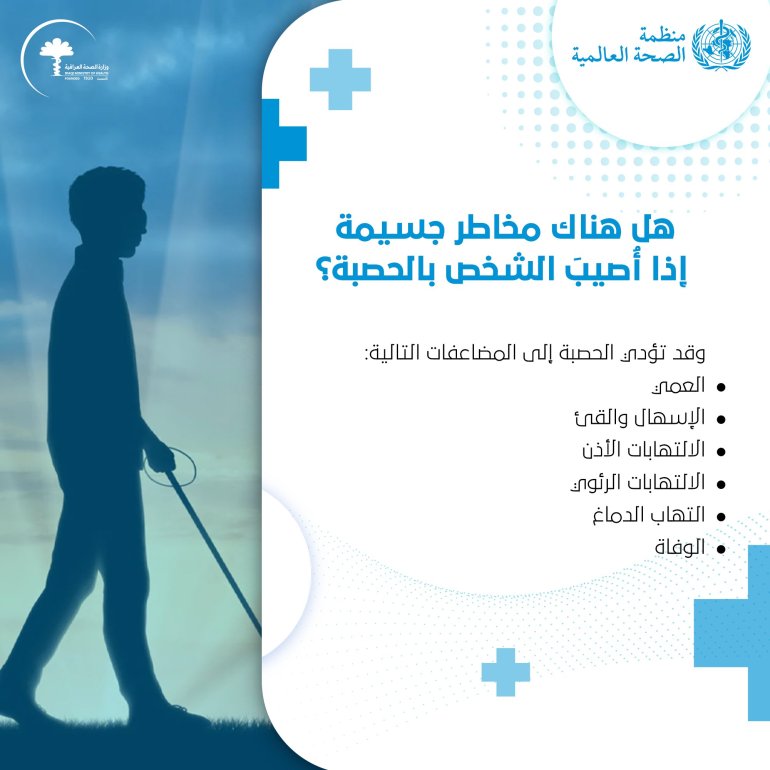
Brain inflammation is one of the most dangerous complications that involve the swelling of the brain, and may lead to brain damage, hearing loss, sight and death.
The measles virus can spread through air and contaminated surfaces. A single patient has to publish it to 9 out of 10. According to the American centers to control and prevent diseases, measles have been reported in 10 US states since the beginning of 2025.
The American centers to control and prevent diseases also stated that maintaining a high level of immunity within societies is very important to prevent the outbreak of the disease and protect those who cannot be vaccinated due to their health conditions.
What should be known about measles and reinforced doses?
The American centers to control and prevent diseases confirms that two doses of measles, mumps and measles (Thesles, Mumps, and Rubella (MMR) Vaccine are two effective by 97% in the prevention of measles. According to the centers, adults who have been vaccinated in childhood are considered to be fortified for life, but there are exceptions that include:
- People who received the vaccine before 1968 where it can be ineffective. The centers advise these people to re -take at least one dose of the weakened live measles vaccine.
- Health care professionals, who were born before 1957, and have no laboratory record of immunity or disease, should consider taking two doses of measles vaccine, mumps and measles.
- People traveling between countries must ensure that they get two doses of measles vaccine, mumps and measles, as measles disease is still widespread in many parts of the world.
- Health care workers or places where the possibility of infection, such as schools, can also need an additional dose.
Similarly, the chest and intensive care doctor Panagis Galileatos said: “People with serious diseases, health problems and the elderly should consult their doctor responsible for whether they are suitable for taking a reinforced dose.”
It should also focus on giving a reinforced dose of vaccine to workers in the medical sector and people who work directly with children. “I think public health strategies will focus on these two categories to ensure the ability to protect them as much as possible from receiving the spreading infection. However, everyone can benefit from their doctor’s conversation from measles protection.”
What is the right age to take a measles vaccine?
It is recommended to give the first dose of the measles vaccine, mumps and rubella in the United States for children between 12-15 months.
It is also recommended to give the second dose of children between 4-6 years, that is, the age that directly precedes the entry of children to the kindergarten stage, and according to Jones Hopkins Bloomberg Public Health in the United States, approximately 97 % of children of immunity are acquired from the disease after receiving the second dose and getting full protection.
In some special cases, such as traveling or the spread of the disease, the measles, mumps and measles vaccine can be given to children at the age of 6 months, but it is not replaced by the two doses we mentioned above.