

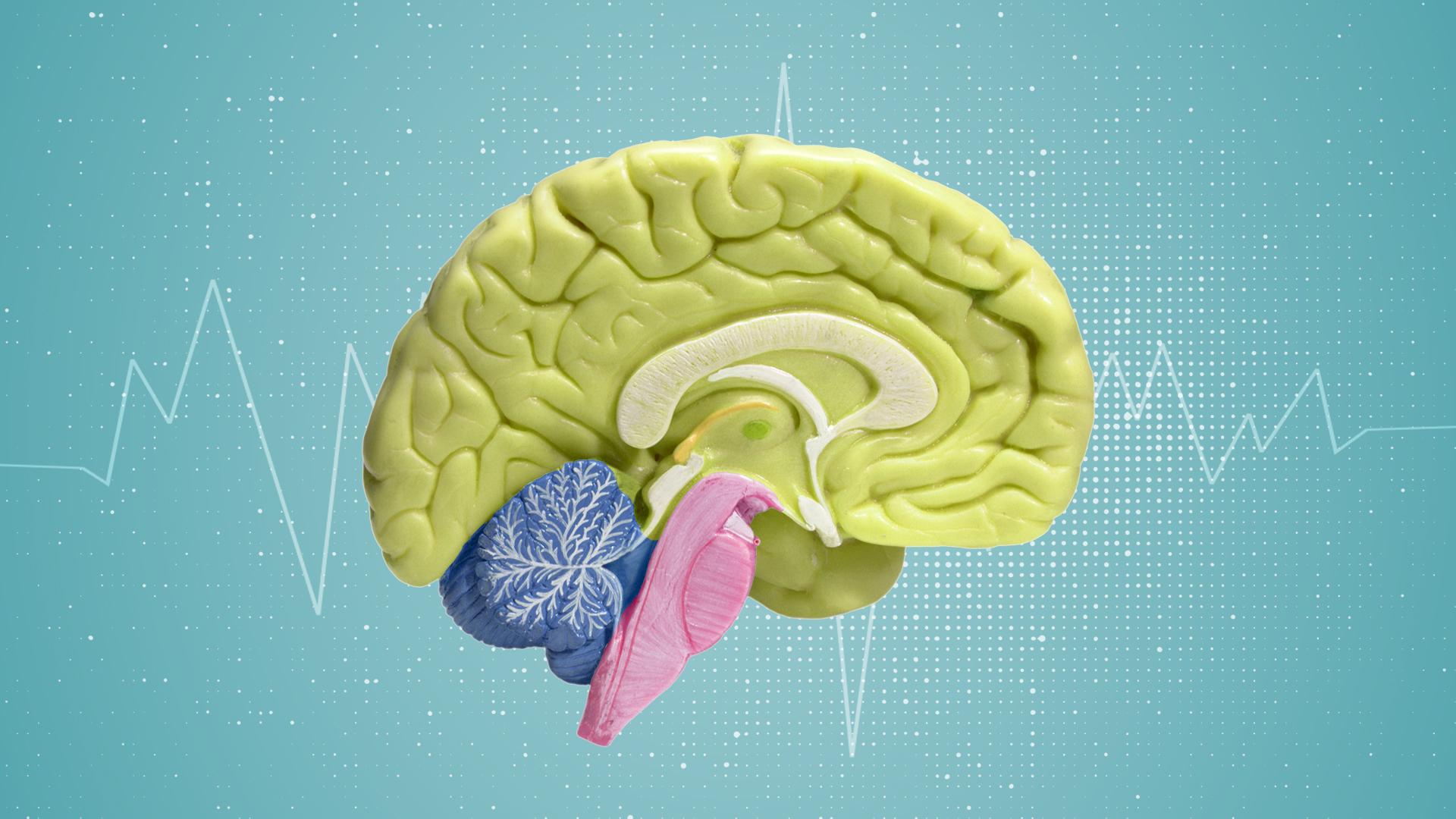
A recent study revealed that type 2 diabetes may affect a brain area responsible for organizing feelings associated with rewards, and this discovery may open new doors to understand the relationship between diabetes and some mental and neurological disorders such as mood disorders and Alzheimer’s disease.
The study was conducted by researchers from the University of Nevada in the United States, and its results were published in March in the journal of neuroscience “Jneurosci”, and was written by Yurrick Alert.
In this study, the researchers used mice with type 2 diabetes to explore whether diabetes affects the activity of the anterior cingume cortex in the brain and behavior. The researchers put the mice in a maze that requires a mental effort to solve and reach the place where the food was placed.
While all mice were seeking rewards, the researchers noted that the mice infected with diabetes were not in the place where they got the reward for a long time, unlike the healthy mice that remained longer in the same place. This indicates that the affected mice did not have the same incentive to stay in the place that was associated with obtaining the reward.
The researchers revealed that this may be due to the weak contact between the hippocampus, which is part of the brain responsible for spatial memory and the anterior belt dandruff. This weakness in communication can contribute to a mild impotence in the event of diabetes, which is what happens in the early stages of Alzheimer’s disease.
“This may explain why type 2 diabetes patients are more vulnerable to memory or mood problems, and perhaps an early start to changes similar to Alzheimer’s similar,” says James Hayman, a researcher at the Department of Psychology at Nevada University, and one of the researchers participating in this study.
“We believe that the fortresses tell the mouse about its place in the maze, while the front belt dandruff determines to him that he got a reward. This information is supposed to integrate together to make the mouse remember that it was in a special and rewarding place, but this does not happen with mice with type 2 diabetes.”
According to researchers, it may be useful to explore this connection (between fortresses and anterior belt cortex) to develop new treatments for mood disorders associated with the front belt dandruff.