

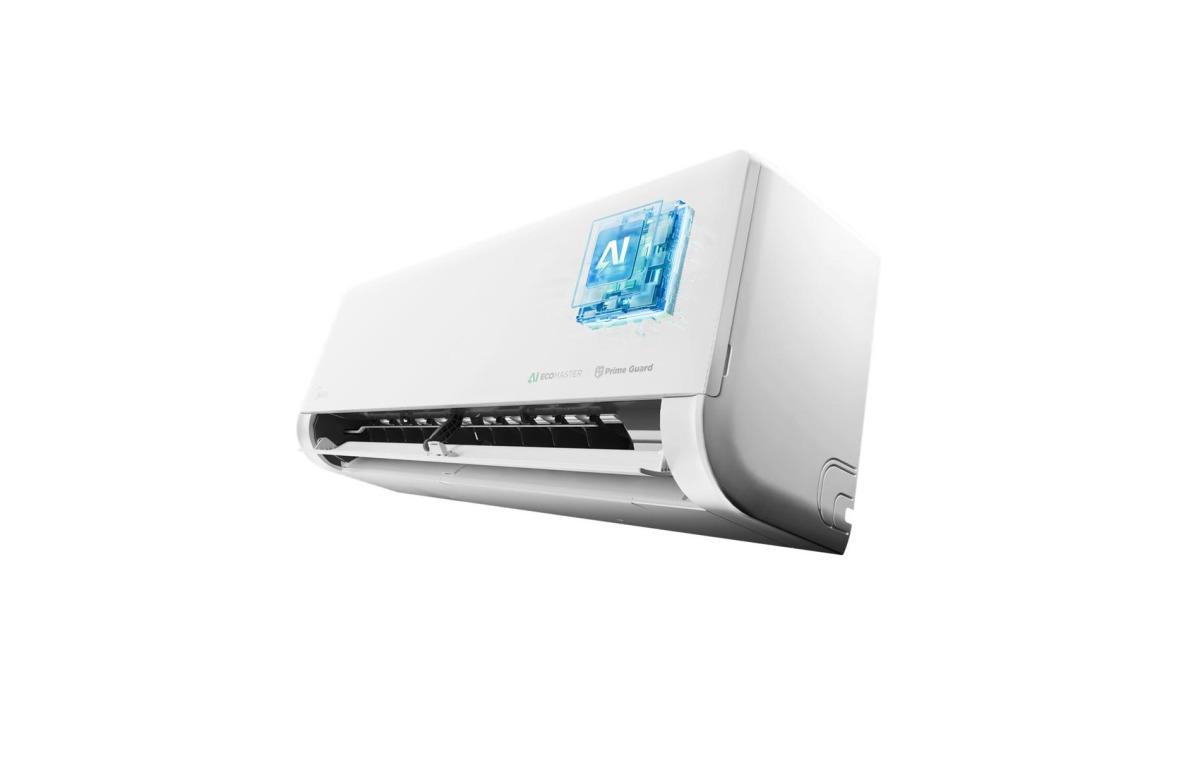
In a step that reflects the rapid development of air conditioning technology, Midea in Qatar introduces its new air conditioner, Meras, which combines the ability to cope with extreme temperatures and smart cooling technologies, in an engineering approach that targets one of the biggest challenges of air conditioning systems in the Gulf region.
This development is highlighted by the results of independent tests conducted by Intertek, which confirmed the ability of two models of the air conditioning platform used at Meraas to continue cooling at an external temperature of 70 degrees Celsius, while maintaining 100% of the cooling capacity at 56 degrees Celsius, within the specified test conditions.
When cooling power becomes more important than just continuous operation
The technical importance of this achievement lies in the distinction between the air conditioner continuing to operate at high temperatures, and its ability to maintain its cooling capacity in those conditions.
When the outside temperature rises, the thermal stress on the compressor and electronic components of the outdoor unit increases, making maintaining cooling performance an important engineering challenge.
The test results indicate the ability of the new Midea platform to meet this challenge from two aspects: maintaining the full cooling capacity at 56 degrees, and continuing to cool at up to 70 degrees Celsius.
These technologies are of particular importance in the Gulf region, where outdoor air conditioning units may be exposed to thermal conditions more severe than the declared air temperature, as a result of direct sunlight, the heat of building roofs, and poor ventilation.
Advanced engineering to combat extreme heat
The Midea Meras T3 Inverter air conditioner is based on the TropicPRO system, which combines an advanced compressor designed for hot conditions and an integrated outdoor unit temperature management system.
The system includes Ice Circuit technology, which uses a cooling circuit to help reduce the temperature of electronic components, in addition to the developed T3 E-Box system to improve heat dissipation and maintain operating stability.
Development is not limited to tolerance of external heat; CoolFlash technology provides rapid cooling ability, after tests showed the ability to reduce room temperature by 10 degrees Celsius within 10 minutes according to specific laboratory conditions.
Artificial intelligence enters the cooling equation
In addition to engineering technologies, Maraas offers the AI ECOMASTER system, which relies on artificial intelligence to analyze room conditions, external temperature, operating data and user preferences, re-evaluating the operating strategy every 30 seconds.
The system aims to achieve a balance between cooling power and electricity consumption efficiency, which reflects Midea’s approach towards developing air conditioners that do not rely on power performance alone, but also on smart energy management.
Midea strengthens its presence in cooling technology for the Gulf climate
Midea Meras represents an extension of Midea’s investments in developing air conditioning technologies capable of dealing with hot climates, by combining thermal performance, rapid cooling and intelligent control.
For the Qatari market, these technologies reflect a development in the concept of residential air conditioning, as the focus is no longer limited to operating the air conditioner during high temperatures, but rather includes the ability to provide the required cooling and maintain stable performance.
With the results of independent tests at 56 and 70 degrees Celsius, Midea, through Meraas, presents a model of the engineering development that it seeks to achieve in the new generation of split air conditioners designed for the Gulf climate.
For more information about TropicPRO technology and performance test results, you can see the official page of the Midea Meras air conditioner in Qatar.
https://phoenixmidea.com/ar/midea-meras-t3-ac-qatar-70c-extreme-heat-cooling/