

On March 6, the health authorities in the Australian state of New South Wales confirmed the registration of a second death of a seventy man from the Japanese encephalitis Encephalitis virus (JEV). He was infected while spending a vacation in the Moropidji area of Australia. This comes in the wake of the death of another man in his seventies in the Australian capital, Sydney, last month, after spending a holiday in the same area last January.
The health authorities in the state of Queensland, northeast Australia, confirmed the discovery of the Japanese brain inflammatory virus for the first time in a gathering of the eastern suburbs of the city of Brisbane, the state capital, according to the British Independent newspaper. The activity of mosquitoes is expected to be increased as a result of the heavy rains caused by the former tropical hurricane.
What is the Japanese encephalitis virus?
Japanese encephalitis is one of the most dangerous diseases that spread through mosquitoes, which is the main cause of viral encephalitis in many Asian countries, where the number of affected cases according to the World Health Organization is estimated at approximately 100,000 cases annually.
Despite the scarcity of Japanese encephalitis accompanied by symptoms, the death rate among people with encephalitis may reach 30%. Permanent nervous, cognitive and behavioral complications also occur in 30-50% of people with encephalitis. Most cases are for children under 15 years of age.
Japanese encephalitis infection is spread in 24 countries in the Southeast Asia and West Pacific regions, exposing more than 3 billion people to the risk of infection.
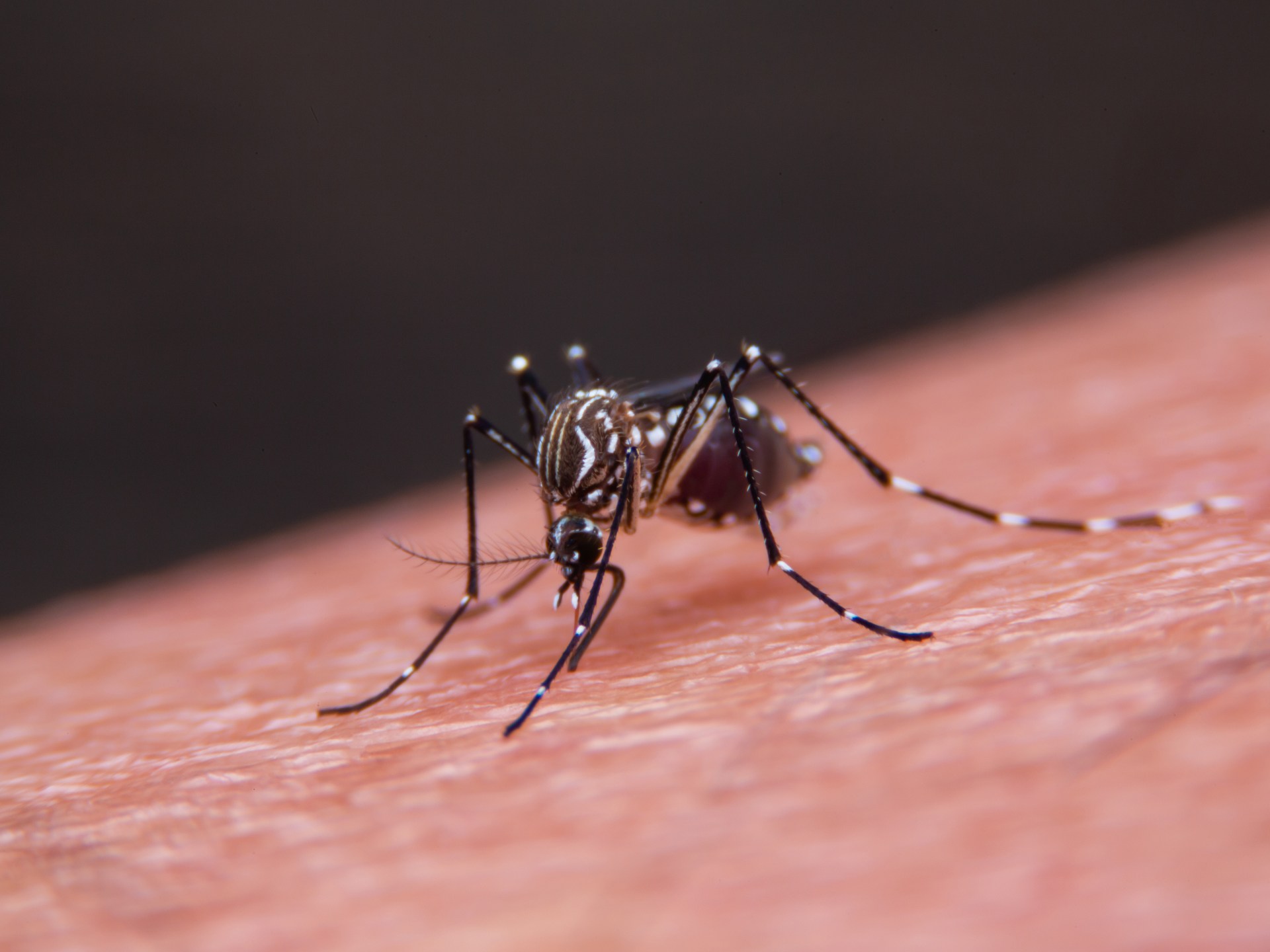
Japanese encephalitis virus is transmitted to humans by culx mosquitoes. The disease is spread mainly in rural and semi -urban areas, where humans live close to these host organisms, especially pigs. The Japanese encephalitis virus is mainly transmitted in most moderate areas during the warm season, and its spread is increased during the rainy season.
Symptoms and treatment
The nursery period (the period between the entry of the virus to the body and the appearance of symptoms) ranges between 4 and 14 days. Most infections are mild, as it can be accompanied by symptoms such as fever, headache, vomiting, or without symptoms. But in the most serious cases – about one in every 250 infection – people with severe fever, neck stiffness, loss of balance, coma, and spastic paralysis can also have a threat to life.
The death rate can reach 30% among people with symptoms of the disease. 20-30% of the survivors suffer from permanent cognitive, behavioral or nervous complications. There is no anti -virus that causes the disease. The treatment, which provides patients, focuses on relieving severe symptoms.
Safe and effective vaccines are available to prevent Japanese encephalitis. The World Health Organization recommends the inclusion of the vaccine in national fortification schedules in all areas where Japanese encephalitis is a general health problem.
What can people do to protect themselves?
Avoid mosquitoes exposure is the best way to reduce the risk of infection with the virus. This can be done by following these tips:
- Wear long sleeves and long pants to protect the body from bites.
- Cover the exposed skin with a layer of cream or tablespoon of topical insects for a long time.
- Ensure that the insects installed in the homes are in good condition, and make sure to get rid of the stagnant water gathered around the house. The more water around the house, the higher the chances of mosquitoes.
- It is recommended during the period of receiving the vaccine to avoid exposure to mosquitoes, because it takes several weeks after vaccination to achieve adequate protection.