

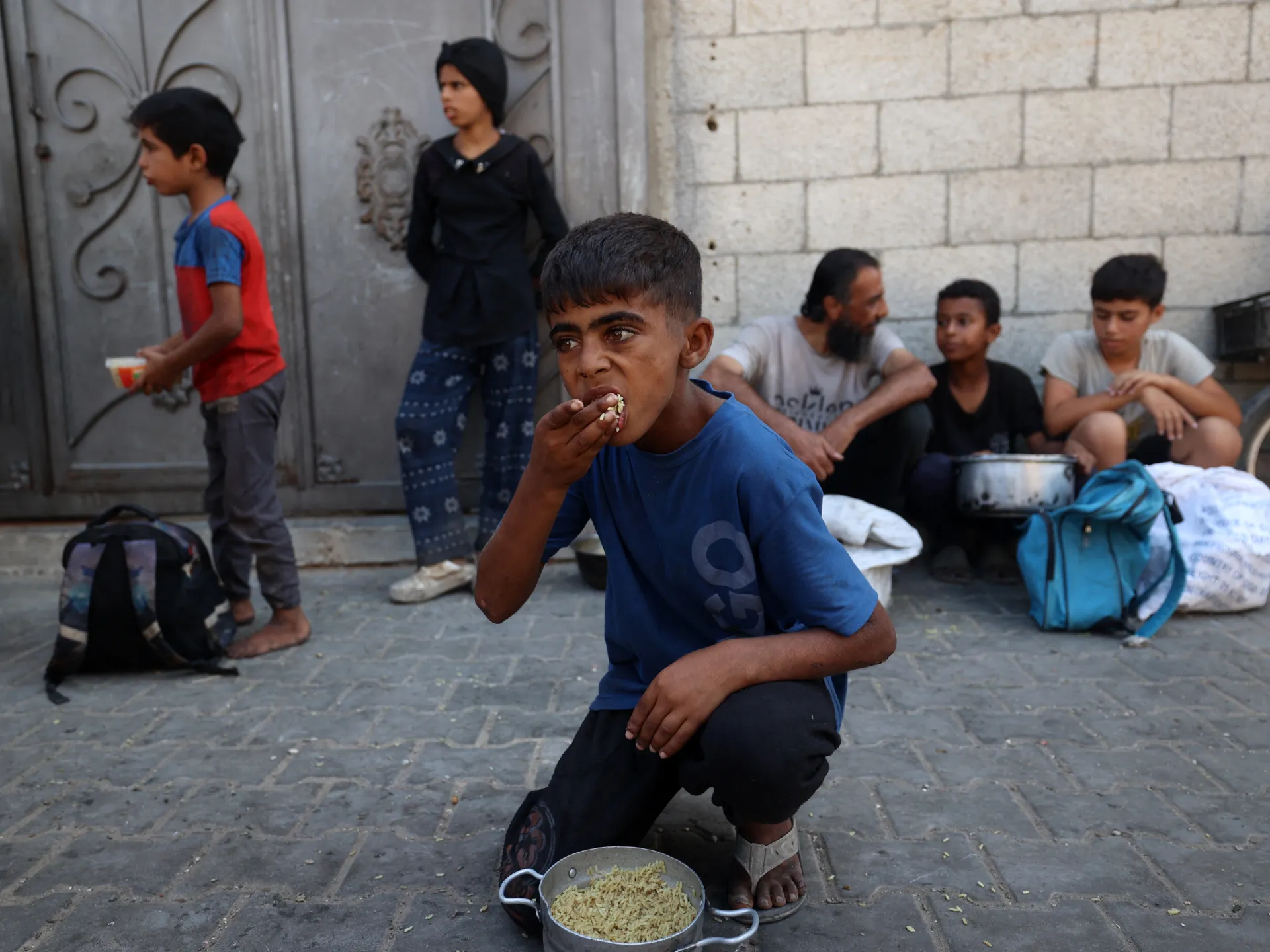
Despite the end of the Gaza war in October 2025, there are still at least 1.6 million people, about 77% of the population, facing high levels of acute food insecurity, which exposes their lives – especially children, pregnant and lactating women – to health problems that extend for years due to acute malnutrition during the years of war.
Israel has imposed a blockade on the entry of humanitarian food aid into the Gaza Strip since the outbreak of war in Gaza on October 7, 2023, which has led to Gaza entering a “famine,” as reports by international organizations describe.
Prolonged malnutrition
317 deaths related to malnutrition have been documented since October 2023, including 119 children, according to the United Nations Children’s Fund (UNICEF) report in August 2025 on the humanitarian situation in Gaza, including more than 100,000 children and 37,000 pregnant and breastfeeding women suffering from acute malnutrition, amid expectations that malnutrition will continue until next April.
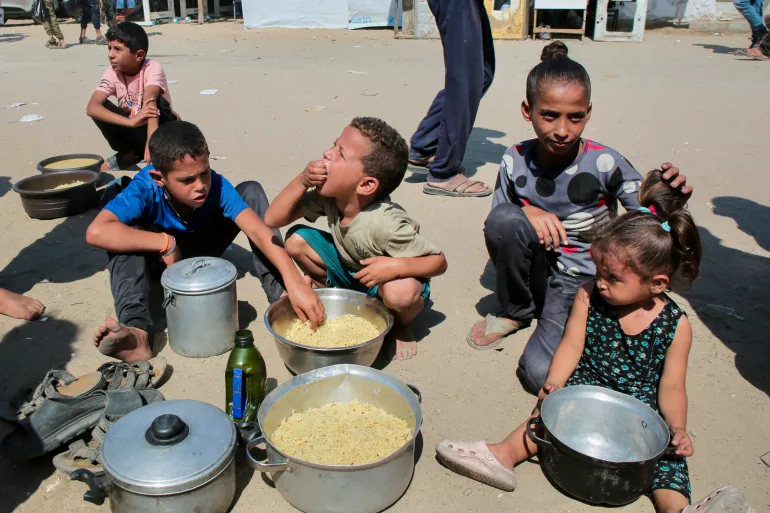
Nearly one in every five children under the age of five in Gaza suffers from acute malnutrition, according to reports from the partners of the World Health Organization’s Nutrition Group, and UN statistics also show that more than 40% of pregnant and breastfeeding women suffer from acute malnutrition.
The World Health Organization has linked acute malnutrition to a group of non-communicable diseases such as cardiovascular diseases – heart attacks and strokes, which are often associated with high blood pressure – some types of cancer and diabetes. In its statement published in March 2024, the organization considered that unhealthy diets and malnutrition are among the most important risk factors for these diseases worldwide.
Child malnutrition
The World Health Organization says that despite the end of the war, nutrient-rich foods, especially proteins, are still scarce and expensive, making 79% of families unable to buy food or obtain clean water. No child reaches the minimum level of dietary diversity, and two-thirds of children suffer from extreme food poverty, as they only consume one or two food groups.
Regarding the impact of severe acute malnutrition on children, the US National Library of Medicine published a study in December 2020, which found that child malnutrition survivors were less likely to obtain a high level of education, report outstanding academic performance, or have high self-confidence, and their average scores on a cognitive test were lower compared to healthy community members.
In a study published by The Lancet, in April 2024, on the impact of malnutrition on children and adolescents, the study conducted on 168 adolescents who suffered from malnutrition in their childhood, revealed that adolescents who had previously suffered from malnutrition showed a continuous decline in height index scores for age, and increased rates of symptoms of behavioral psychological disorders.
The “wasting, stunting, underweight, and vitamin and mineral deficiencies” associated with malnutrition also make children more vulnerable to disease and death.
Pregnancy and childbirth are at risk
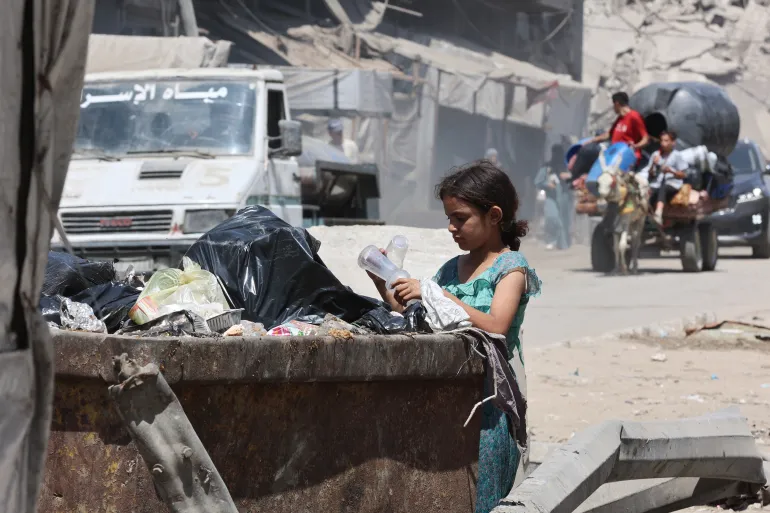
Malnutrition in Gaza is not only imposed on its current residents, but also extends to the fetuses in their mothers’ wombs. Malnutrition begins among children in the Gaza Strip even before birth, as a result of high rates of malnutrition among mothers.
“This is having a devastating impact on thousands of newborns,” as UNICEF spokeswoman Tess Ingram said in December 2025, with low-birth-weight newborns facing a risk of death nearly 20 times greater than those born at a healthy weight.
The British University of Cambridge published a study in December 2025 on the relationship between nutrition in the early stages of life, before and during pregnancy, and lifelong health. It revealed a clear relationship between low birth weight due to malnutrition during pregnancy and an increased risk of death from non-communicable diseases in adulthood, including cardiovascular disease and chronic obstructive bronchial disease. Nutrition during pregnancy also causes congenital changes linked to the risk of obesity in childhood.
According to the study, reduced fetal growth was associated with an increased risk of developing a range of non-communicable diseases in adults that increase the risk of premature death, including type 2 diabetes, metabolic syndrome, osteoporosis, loss of muscle mass, and coronary heart disease, and to adverse childhood outcomes, such as stunted growth and impaired cognitive function.
In his report to the United Nations Population Fund, Nestor Omuhangi, the Fund’s representative in Palestine, said, “Malnutrition and anxiety hinder breastfeeding for three-quarters of new mothers, at a time when infant formula is not available.”
According to UNICEF and the World Health Organization, “In emergency settings, antibodies in breast milk protect infants from illness and death, and breast milk ensures a safe, nutritious and accessible source of nutrition for infants.” However, reduced breastfeeding due to malnutrition in mothers adds to the burden of childhood diseases and the risk of certain types of cancer and infectious diseases for mothers.