

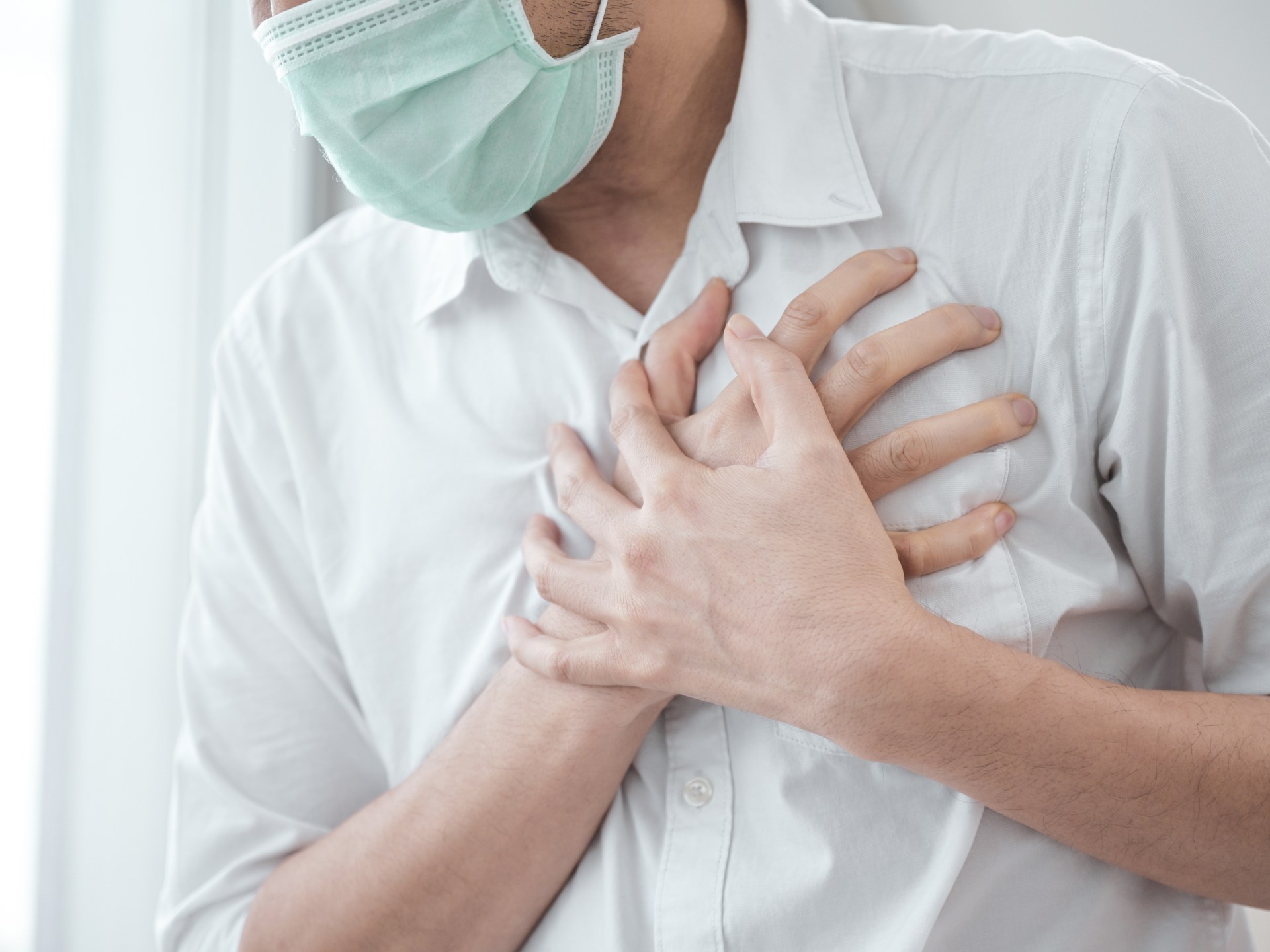
Have you ever thought that the jaw pain may not only indicate a problem with the teeth, and that the feeling of acute pain in the middle of the back between the shoulders and tingling with the two hands in addition to a feeling of severe nausea may not necessarily mean a panic attack.
Doctors note that all of these symptoms may refer to a heart attack, and just as two hearts do not beats in the same way, as well as heart attacks between patients, not even the person himself.
Heart attacks occur when blood flow to the heart stops, with one or more clogged arteries that nourish the heart with blood, this means that the blood and oxygen do not reach the heart in a sufficient amount, causing damage to the heart muscle.
Chest pain (also known as angina) is the most common signs of warning to a heart attack, the person may feel annoying pressure, pain, numbness, contraction, or fullness in the chest, many people know this warning sign, because it is the classic signs that you often watch on TV or in movies, but it is important to recall that the heart -threatening heart attack in some people may start slowly with mild pain or discomfort. Only, in other cases the person may not feel any pain in the chest at all.
“The vast majority of people who have a heart attack will feel severe pain, pressure, or chest tingling,” says William Brady, emergency doctor and cardiovascular disease at the University of Virginia University in the United States.
But Dr. Setcy Rosen, the volunteer president of the American Heart Association and CEO of the Katz Institute for Women’s Health in Northwel in the United States, said: “The heart attacks are not all similar, and there are other warning signs that people do not usually think, and women may neglect the symptoms and interpret them as anxiety or tension.”
Dr. Rosen commented: “The delay in medical intervention may lead to an irreplaceable heart damage, so no symptoms should be ignored.”
Unexpected symptoms
The Washington Post has shared the opinions of the cardiologists about the least and most surprising symptoms that appear before a heart attack. Here are five of them, you may not expect it:
Jaw pain
Pain or discomfort caused by a heart attack often spreads to other parts of the body. The symptoms may sometimes be mild and less effective than we expect.
“Some of them will only face pain in the forearm, while others suddenly suffer from severe jaw pain,” explains James de Limus, head of the Heart Diseases Department at the University of Texas South and Steern in the United States.
Dr. Rosen said that one of her patients visited several dentists because she thought that her jaws was caused by a problem with the teeth, until one of the dentists suggested that the cause may be the source of the heart, and the patient escaped a heart attack thanks to this.
Heart doctors show that the pain caused by a heart attack can, not always, move to the left side of the body, on the same side of the heart.
Dr. Rosen said the chest pain is more common in women with symptoms, such as back pain, nausea, dizziness and shortness of breath. Instead of calling it “chest pain”, it is likely that its symptoms are likely to be disturbed or exhausted.
Nausea and vomiting
Both nausea, vomiting, esophageal reflux, burp and other forms of indigestion can be considered a heart attack, especially when the seizure affects the lower part of the heart.
Dr. De Limus shows that if anti -acidity drugs are ineffective in treating indigestion, the cause of the digestive disorder may be linked to the heart, especially in people at risk of a heart attack.
Feeling of death
Heart doctors say that the occurrence of a heart attack can bring a strong sense of danger to life, as one feels like a sudden death.
Dr. Seth Martin, a cardiologist at Johns Hopkins Medical College in the United States, explains that these physical symptoms are accompanied by a constant feeling that there are sermons that differ from pure anxiety.
Mantle and cold skin
Coronary artery blockage generates tremendous pressure on the body. Thus, the sympathetic nervous system is strained, causing a feeling of cold skin and sweating.
Dr. Bradi explains that feeling suddenly in the chest distress, difficulty breathing, and severe sweating when making a simple effort such as carrying shopping bags, are signs of an imminent heart attack, especially if the weather is moderate as there is no cause of sweating.
He also stressed the need to visit the doctor even if these symptoms disappear after sitting and resting, this does not mean the disappearance of the danger and that the health condition is safe.
Feeling tired
The heart attack limits the flow of oxygen across the body and to the heart, which may cause fatigue or shortness of breath, and can lead to the blurring of vision without determining the cause.
“Some people believe that the reason for this feeling is aging and they have to restrict their activities for that, while others postpone going to hospital to care for their children or close.”
And in the event that the person suffers from early signs of heart disease, these symptoms may only appear during walking or other types of exercise, as the heart needs to increase blood flow when making effort, but a blockage or weakness in the heart muscle prevents this, and sometimes signs of stuttering appear that last for days, and they get worse in the event of a blockage in the artery.
How to reduce the risk of a heart attack
The damaged myocardial cells cannot be replaced, and if the person does not receive the treatment with adequate speed to perform the blood flow process properly, the heart attack can affect the ability of the heart to pump blood, which leads to heart failure, which is a chronic condition in which the heart does not work efficiently as it was before.
Therefore, cardiologists are advised to take steps to reduce the risk of a heart attack in the first place, such as lowering blood pressure and cholesterol levels, exercising regularly at least 150 minutes per week, as well as refraining from smoking, and following healthy diets.