

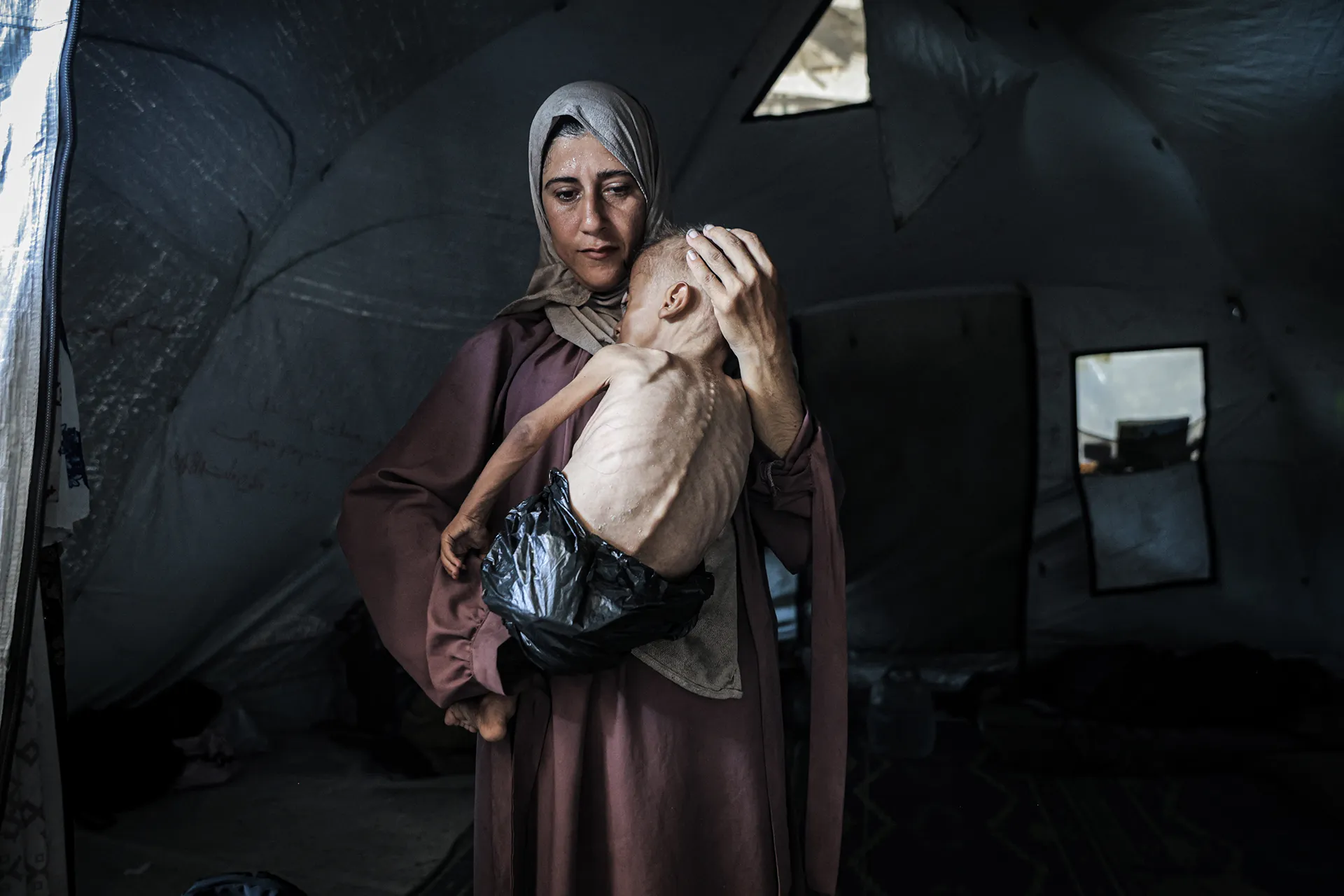
A term that describes a health condition that results from an individual not getting the right amount of nutrients or from an imbalance in their diet. This includes undernutrition, when nutrients fall short of the body’s needs, and overweight and obesity, when nutrients exceed its needs.
Malnutrition weakens the immune system, affects children’s growth and development, and is the largest contributor to disease, according to the World Food Programme. Undernutrition alone is a primary cause of nearly half of all deaths in children under the age of five.
In the Middle East and North Africa region, a UNICEF report issued in 2019 showed that more than 16 million children under the age of five suffer from malnutrition, especially in countries affected by conflicts, such as Syria, Yemen, Sudan and Libya. The report also indicated that children suffering from acute malnutrition face an 11-fold higher risk of death compared to their well-nourished peers.
What are the causes of malnutrition?
The causes of malnutrition are many, often intertwined, and contribute mainly to:
- Humanitarian crises caused by famine, war, disasters and climate change, in which people are forced to eat inadequate diets.
- High food prices and scarcity of foodstuffs in areas witnessing wars, armed conflicts or natural disasters.
- Poverty and difficulty providing nutrient-rich food.
- Suffering from diseases or disorders that hinder or prevent the absorption of nutrients, such as celiac disease, which is linked to gluten sensitivity or lactose intolerance.
- Following an unbalanced diet that provides the body with some nutrients and deprives it of others.
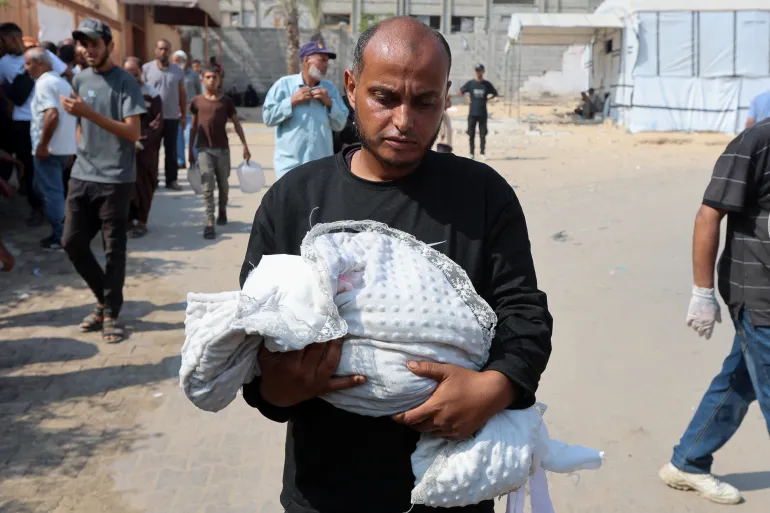
Symptoms
Symptoms of malnutrition vary depending on the type of nutrient that the body is deficient in and the degree of this deficiency, the most prominent of which are:
- Muscle weakness.
- Low mood.
- Extreme fatigue.
- Cessation of menstruation.
- Hair loss.
- Growth problems in children.
Complications
Malnutrition may result in serious complications, especially in children, as it can lead to delayed physical and mental growth, and limit cognitive development and academic achievement, which may affect the individual’s educational and economic opportunities in the future. Chronic undernutrition may also cause stunting, the effects of which on growth may become irreversible after a certain age.
Malnutrition also increases children’s susceptibility to infections and diseases, including pneumonia, malaria, diarrhea and measles. It may also affect the health of pregnant mothers, and the health and development of their babies even before birth, and is associated with an increased likelihood of giving birth to low-weight babies. In severe cases, these complications may worsen and lead to death.
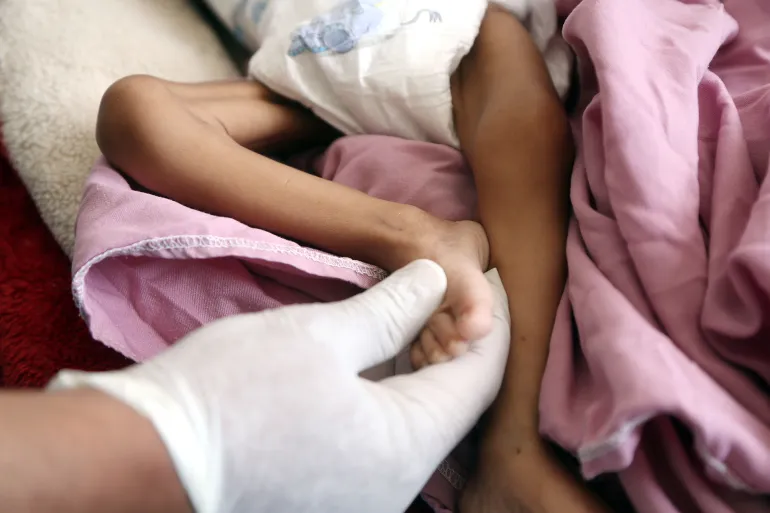
Forms of nutritional deficiency
Nutritional deficiencies can be divided into four basic forms according to the World Health Organization:
- Emaciation: It is low weight in relation to height. It refers to severe weight loss as a result of not getting enough food or suffering from a disease that causes weight loss. In its moderate or severe degrees, wasting may increase the risk of death in children, but it is treatable.
- Dwarfism: He is short in stature for his age. It is caused by chronic or recurrent undernutrition, and is usually associated with poor socio-economic conditions, poor maternal health and nutrition, recurrent disease, as well as inadequate nutrition and care provided to infants and children in their early years.
- Weight loss: It is low weight for age. It may be the result of stunting, wasting, or both.
- Micronutrient deficiencyIt is the body not getting enough of the essential vitamins and minerals it needs to perform its vital functions, including the production of enzymes, hormones, and substances necessary for proper growth and development.
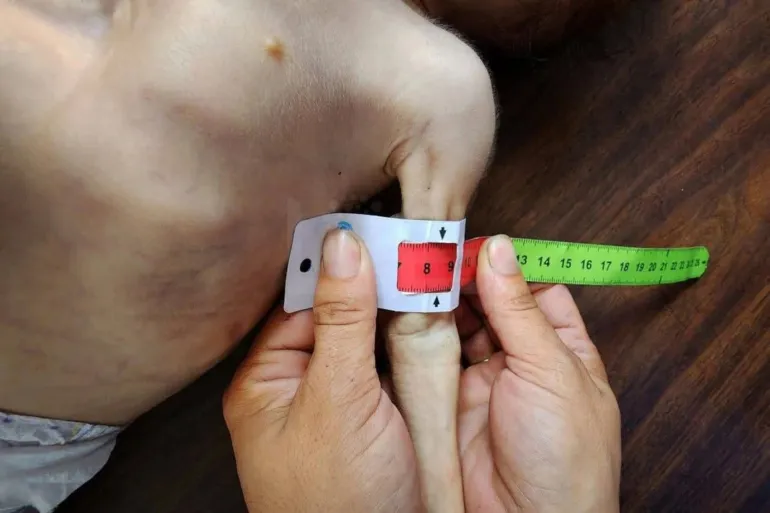
Spread
World Health Organization data for 2022 indicate that the problem of malnutrition in its various forms is expanding. The number of adults suffering from underweight reached about 390 million people, while about 2.5 billion adults suffered from overweight, including approximately 890 million people suffering from obesity.
Overweight also affected about 390 million children and adolescents between the ages of 5 and 19 years, including about 160 million suffering from obesity, while the number of people suffering from wasting reached about 190 million. As for children under the age of five, the number of those suffering from stunting was estimated at about 149 million children, while the number of those suffering from overweight or obesity reached about 37 million children.
According to the organization, malnutrition, especially undernutrition, contributes to about half of the deaths of children under the age of five, and these deaths are largely concentrated in low- and middle-income countries.
Wars and malnutrition
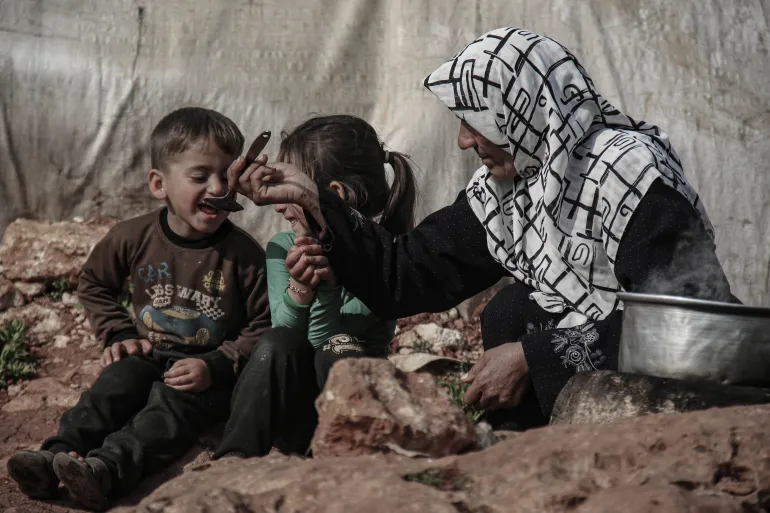
A 2019 report by the United Nations Children’s Fund (UNICEF) revealed that more than 16 million children under the age of five suffer from malnutrition in the Middle East and North Africa, especially due to conflicts in Syria, Yemen, Sudan, and Libya. She added that about 11 million of these children suffer from chronic or acute malnutrition, including more than seven million children who suffer from stunting, and 3.7 million who suffer from acute malnutrition.
- Syria
In 2019, a UNICEF survey showed that the malnutrition rate among children in Syria was 1.7 percent. By 2025, the percentage had nearly tripled, to 4.8 percent.
Child malnutrition rates in 2023 exceeded the emergency threshold set by the World Health Organization in about a third of the Syrian governorates, and coastal areas recorded rates reaching 14 percent, i.e. three times the global emergency threshold.
Malnutrition rates among pregnant and lactating women also witnessed a sharp rise, averaging 7 percent, and reaching 19 percent in some areas.
- Yemen
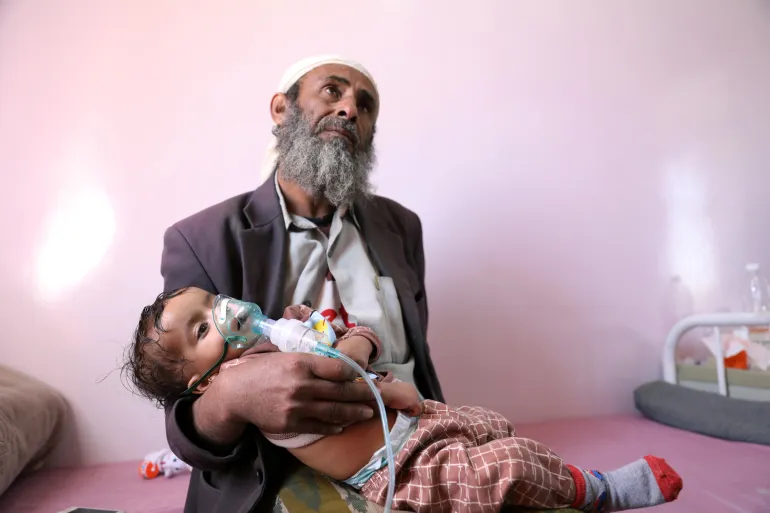
The World Food Program revealed in its 2025 report that Yemen is still among the countries most affected by acute hunger globally, with the continued effects of conflict, economic deterioration, and climate shocks on food security in the country.
The report expected that Yemen would be among only 6 countries that recorded catastrophic levels (stage five) of food insecurity during the year 2025, as 41,000 people faced life-threatening hunger situations.
- Gaza
Since the start of the Israeli war of extermination on Gaza in October 2023 until August 2025, 317 deaths related to malnutrition have been documented in the Strip, including 119 children, according to the United Nations Children’s Fund (UNICEF) report on the humanitarian situation in Gaza, including more than 100,000 children and 37,000 pregnant and breastfeeding women suffering from acute malnutrition.
Despite the announcement of a ceasefire in October 2025, the World Health Organization said that nutrient-rich foods, especially proteins, remained scarce and expensive, leaving 79% of families unable to buy food or obtain clean water.
- Sudan
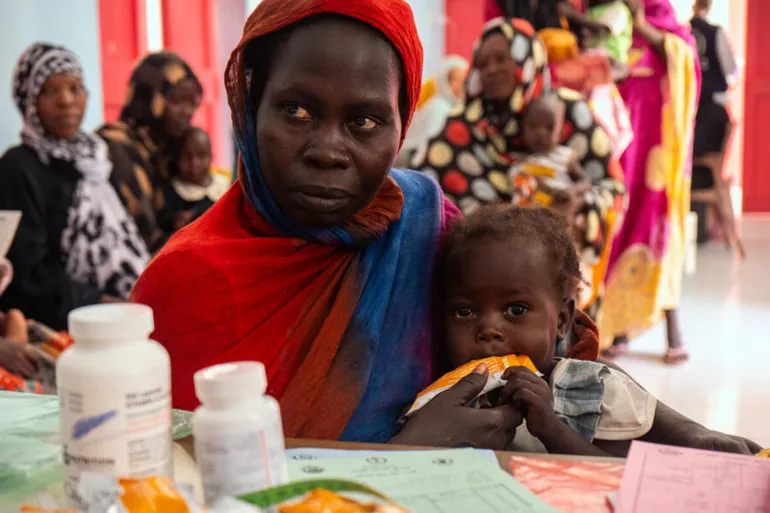
In Sudan, the war that broke out between the Sudanese army and the Rapid Support Forces in 2023 caused widespread hunger and the displacement of millions, and led to one of the largest humanitarian crises in the world.
In February 2026, the Integrated Phased Classification of Food Security, a UN-backed global hunger monitoring observatory, concluded that levels of acute malnutrition exceeded famine standards in the Umbro region as well as in Krnoi.
A report issued by Action Against Hunger, Care International, the International Rescue Committee, Mercy Corps, and the Norwegian Refugee Council in April 2026 also showed that millions in Sudan live on only one meal a day.
According to the 2026 Humanitarian Needs and Response Plan, about 61.7 percent of Sudan’s population, equivalent to 28.9 million people, suffer from acute food insecurity.
Ways to intervene
Confronting malnutrition requires an integrated approach that combines prevention, treatment, and enhancing access to healthy and integrated food. The most prominent methods of intervention, according to the World Food Programme, include:
- Focus on the first 1,000 days, from conception to the child’s second birthday, as a crucial stage for growth and preventing the long-term effects of malnutrition.
- Targeting the most vulnerable groups, especially young children and pregnant and lactating women, given their high nutritional needs.
- Providing specialized food in emergency situations, to prevent malnutrition and support the recovery of those affected.
- Providing cash assistance and food vouchers to families in areas where markets operate, to enable them to obtain healthy and nutritious food.
- Strengthening food and social protection systems in stable environments, ensuring population access to adequate and complete food.
- Supporting the local production of foods with high nutritional value and encouraging their consumption, in a way that enhances the availability of healthy food and the sustainability of food systems.
- Fortification of basic foods with vitamins and minerals to reduce micronutrient deficiencies.
- Strengthening cooperation between governments and partners in the field of nutrition to monitor groups most vulnerable to malnutrition and respond to their needs.
- Early intervention to protect populations from malnutrition, especially during humanitarian crises.