

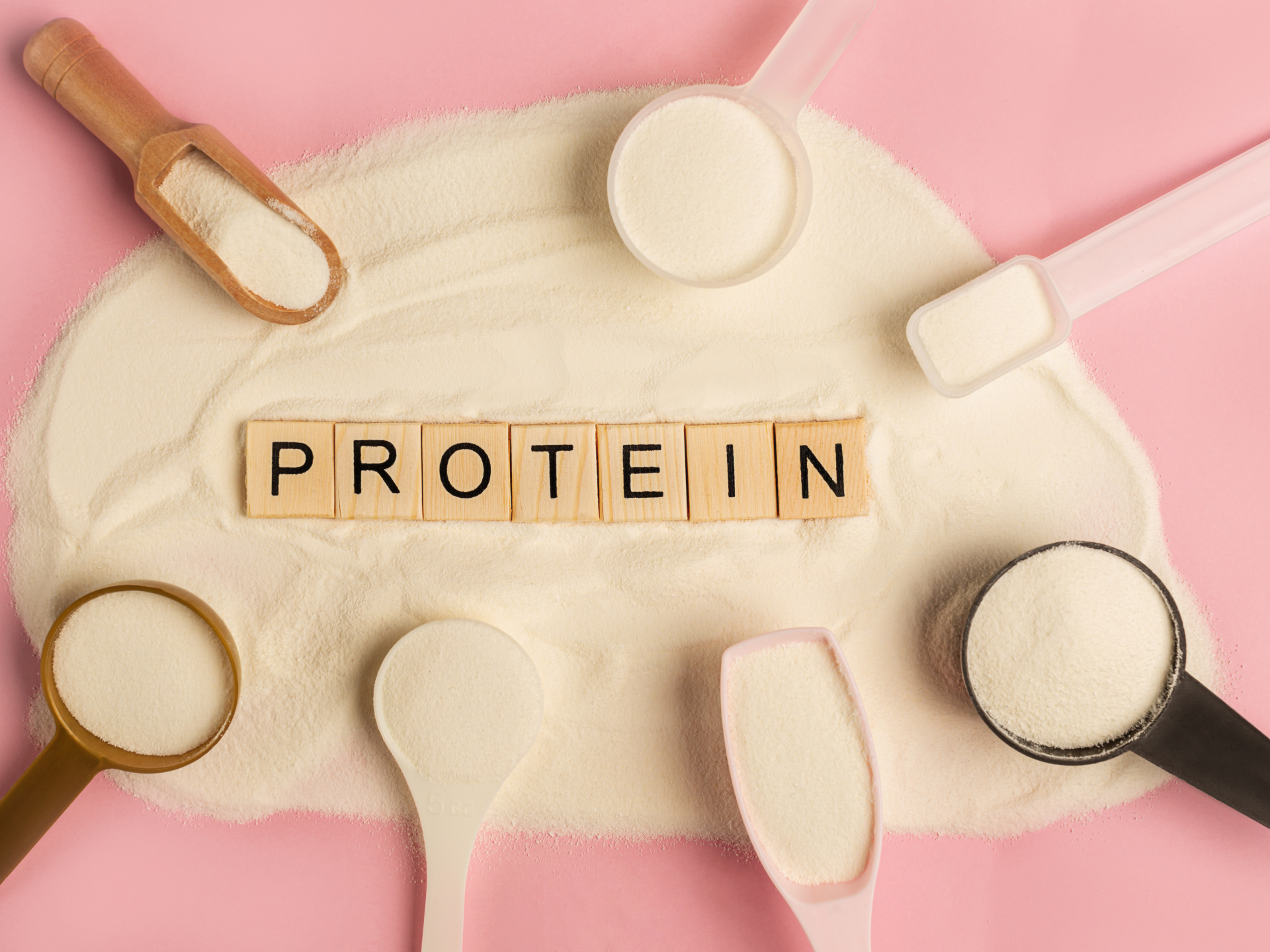
Protein has become one of the nutrients that has received widespread attention in recent years, but myths and informational impurities accumulate around it about its quantities, sources, and benefits, which confuse consumers interested in health and nutrition.
Protein is an essential element for vital functions
Protein plays a vital role in the body, from repairing tissues and making hormones to supporting immunity and maintaining muscle mass. Its deficiency may lead to poor muscle performance and malnutrition.
Many people say that complete protein, which provides the body with all essential amino acids, is only available in meat.
But experts confirm that various plant proteins such as soy, quinoa, and chia seeds can also provide these acids to build the body properly.
Determine the appropriate quantity
The body’s need for protein varies according to age, physical activity, and weight, but most adults need about 0.75 to 1.2 grams of protein per kilogram of body weight per day to maintain muscle and general health.
Protein during weight loss
People who use GLP-1 medications for weight control may need to increase their protein intake, because these medications reduce appetite and slow digestion, which can reduce the consumption of adequate protein if this is not observed.
Protein supplements are not a substitute
Experts confirm that protein shakes and powders are useful for those who find it difficult to obtain a sufficient amount through food, but they do not replace nutritious whole foods.
Can protein be harmful?
Excessive protein intake may put pressure on the kidneys in those who have kidney problems, and may replace important fibers if it affects the diversity of food. Therefore, it is recommended to adjust the appropriate amount in consultation with a nutritionist.
It is recommended to stay at about 1.2 grams per kilogram per day for most healthy people, and to consult a specialist for personal guidance.