

In front of the Oncology Clinic Chamber inside the Nasser Medical Complex, dozens of patients gathered pending entry to the treating doctor, and among them was a woman who appeared to be the features of pallor, fatigue, wasting, and the effects of chemotherapy, she went to her to identify the nature of her illness.
Once she was asked about her condition, Mrs. Amal Al -Jedda, 32, exploded in crying as she described her injury with a malignant tumor in the oceanic nerve sheath, the absence of treatment, medical care, and healthy food inside the Gaza Strip for cancer patients.
In April 2024, labor came to Mrs. Amal and gave birth to a child, and for a full year she began to complain of severe pain at the bottom of the left side of her body and doctors did not succeed during that period of her diagnosis accurate For cancer, “and his departure from service from the first days of the war.
After the late diagnosis of Amal, it entered into a new battle to search for treatment in a city that is exposed to the fiercest war in modern history, one of its most important goals in the health system and hospitals.
With a lot of heartbreak, Amal told Al -Jazeera Net: “I gave my first child with a cesarean section, and our joy was great with this baby, but the discovery of the disease stole the joy, and he got from my body, and reflected on the health and psychological state of my daughter.”
“After the late discovery of my cancer, I started searching for specialized doctors and my first destination was the European Gaza Hospital, but after the occupation army stormed it in May 2025, the service provided to us stopped for a period of time.”
During the period of interruption of medical care for cancer patients after the European Gaza Hospital left the service, the health condition of Amal was exacerbated, and her health condition began to decline, to show the features of wasting and inability to move.
After the treatment was interrupted, Amal moved to continue her condition inside the Nasser complex, but to accumulate patients in the only hospital, and the small number of doctors, she did not have the required care for a cancer patient.
Besides all of this, you did not find any of the items that the doctors recommended to eat due to the famine that strikes the Gaza Strip, causing further deterioration of its health.
Kidney removal
The same suffering that Amal lived from cancer patients, Raed Hammad had another face of it more severe due to the complete deduction of doctors of his right -wing kidney affected by cancer since 2016, and his lack of recovery from the disease though.
The war and Hammad, 51, is still suffering from cancer, to increase his poor health due to the lack of treatment and diet needed for his disease.
Hammad told Al -Jazeera Net: “A diet has been developed by doctors that are appropriate to my condition, including eating vegetables in abundance, but the war and food lack caused my health to deteriorate with a decline in weight, fatigue, exhaustion and pain in the joints, especially with the absence of food, frequent displacement and targeting the health system in the Gaza Strip.”
Doctors, Hammad, conducted a medical transfer to complete his treatment outside the Gaza Strip, through the World Health Organization, but he is awaiting his name on long and only travel lists through the Karam Abu Salem crossing.
The UN organization is evacuating categories of patients with incurable conditions, including those with cancer patients in a limited way.
disappointment
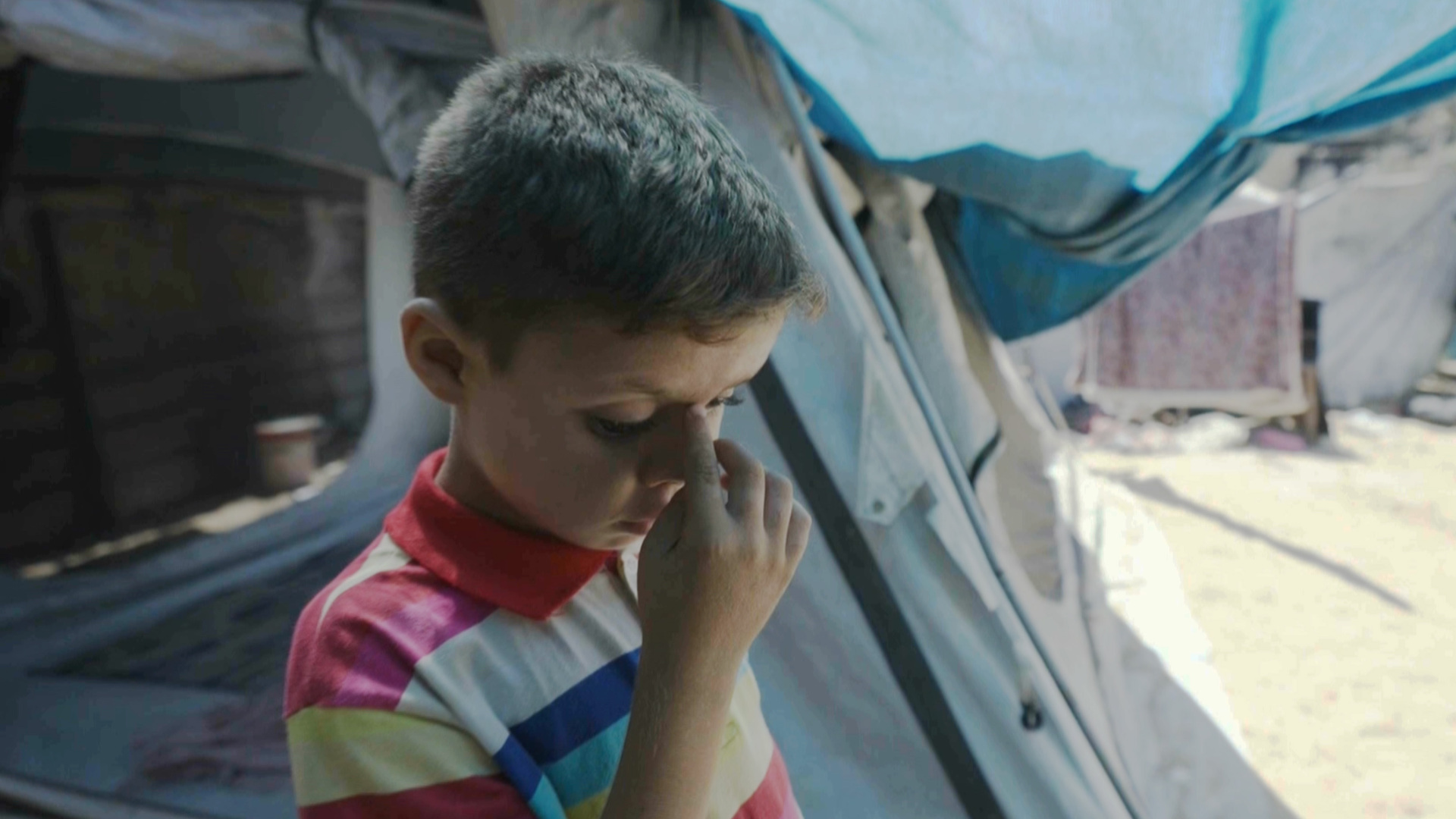
Inside a tent of nylon in the Al -Mawsi area, west of Khan Yunis, south of the Gaza Strip, breast cancer patient, Fayza Abu Sabha, suffers from her severe pain due to the lack of treatment and health care, in addition to an integrated diet that helps her to overcome heavy days.
After 8 months of the Sixteen Fayza complaint, there was a small scar in the breast, the doctors discovered that it was a cancerous tumor that requires the eradication of the affected part only, but the absence of the medical devices for cancer patients, necessitated the entire mastectomy.
Fayza also underwent Al -Jazeera Net to a complete mammal eradication in the hope of eliminating cancer in her body inside the European Gaza Hospital, but the results did not come as the doctors wanted to.
“After eradication, cancer is still in my body, and there is no hope for complete recovery as long as it remains in the Gaza Strip, where there is no food, health care, or a suitable place to live and sleep,” says Abu Sabha.
Disastrous
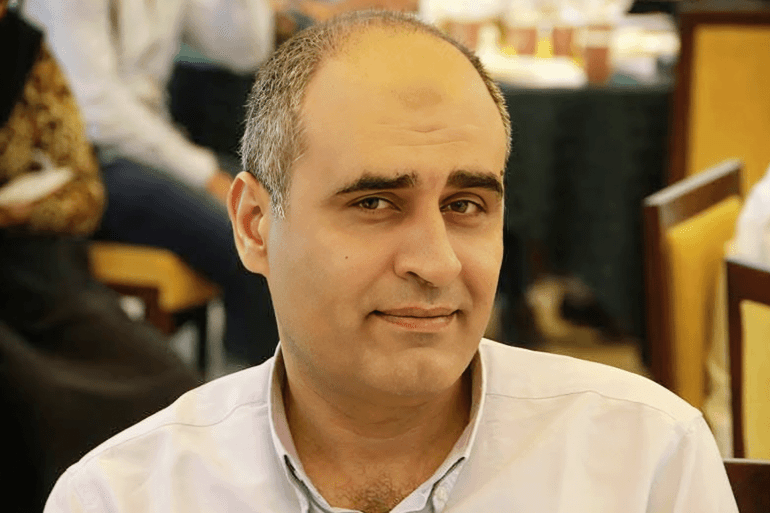
The head of the Supreme Medical Committee for Oncology in the Gaza Strip, Dr. Zaki Al -Zaqzouq, stressed that the health status of cancer patients in the sector is very bad, and has reached a level that has not been witnessed for decades due to the continuous Israeli genocide.
“The cancer patient must receive his treatment in time, but a large number of patients in the Gaza Strip were unable to obtain treatment, which led to the death of many of them, due to the continuous displacement for more than a year and a half, and the loss of medical care, in addition to repeated evacuation, which exacerbated their suffering.”
He indicated that after the “Gaza Cancer Center” left service due to its storming and destruction by the occupation army, the Ministry of Health has established an oncology department in the European Gaza Hospital, but the evacuation of the European Hospital prompted them to establish another department in the Nasser Medical Complex, but it is very modest due to the absence of equipment and the family.
According to Al -Zaqzouq, the cancer patient needs special care that include intensive care, antibiotics, chemotherapy, radiotherapy, and biological, but the absence of these services led to the loss of the lives of many of them.
On the numbers, Al -Zaqzouq indicated that nearly 12,000 cancer patients in the Gaza Strip do not have the required treatment, with a noticeable increase in the number of injuries during the war, where many of them are diagnosed in very late stages, while others cannot discover their injury due to the absence of diagnostic means.
He added that cancer patients need a healthy and balanced food, which includes milk, fruits, vegetables and fresh air, but these basic requirements are absent in the Gaza Strip for nearly a year and a half, which exacerbates the deterioration of their condition, especially since chemotherapy weakens their immunity.
He said that there are no accurate statistics due to the current situation that the Ministry of Health suffers from, but the deaths have certainly increased as a result of the lack of treatment, indicating their success before the war in treating some cases such as breast cancer.
The Palestinian doctor revealed that the most common cancer in the sector is breast cancer, colon, lung, and prostate, in addition to a noticeable increase in recording cases of pharynx cancer and lymph nodes during the war.
He stressed the need to send integrated medical convoys in order to save cancer patients in Gaza, who seek help for treatment, to enter the necessary equipment for the diagnosis, and set a mechanism for direct support for chemotherapy of all kinds.
Dangerous setbacks
In turn, the Director of Medical Relief in the Gaza Strip, Bassam Zaqout, stressed that the reality of cancer patients in the sector is very difficult, especially after the exit of the European Gaza Hospital and the “Gaza Cancer Center” from service, noting that the number of patients exceeds 12 thousand patients, some of whom receive treatment in Al -Helou Hospital in the northern Gaza Strip.
In his interview with Al -Jazeera Net, Zaqout explained that the available medical capabilities are not sufficient because the occupation is not allowed to enter the basic medicines, explaining that some patients were subjected to serious setbacks in their health as a result of the stoppage of chemotherapy doses.
He added that the follow -up of patients is carried out by the remaining specialized doctors, but there is a severe shortage of medical personnel.
He said that a large segment of these patients needs treatment outside the Gaza Strip, but the occupation prevents their travel, which led to the death of a number of them, while others suffer from a continuous deterioration in their health.
He pointed out that famine has greatly affected cancer patients who suffer mainly from weak immunity, as they need proteins and special care that is not currently available, noting that a large percentage of them suffers from anemia, general weakness, pallor, and wasting, because they do not get the appropriate food.
He stated that the suffering in the Gaza Strip affected all groups, adding that psychological support for patients is not available as required, as current efforts are limited to some limited sessions that are not enough, stressing the need to develop comprehensive programs to provide full psychological support to cancer patients.
Systematic destruction
For his part, Amjad Al -Shawa, Deputy Commissioner of the Independent Authority for Human Rights and the Director of the Network of Private Organizations, stressed that the Israeli occupation systematically destroyed the human rights system, and was blatantly violated by international law and international humanitarian law, through its direct targeting of the health sector and preventing the entry of medicines and medical staff to the Gaza Strip.
Al -Shawa said in an interview with “Al -Jazeera Net”: “Patients in Gaza are deprived of their primary right to receive treatment, in light of the departure of most hospitals from service, the last of which was the Turkish Friendship Hospital (the Gaza Cancer Center), which was completely destroyed, which exacerbated the suffering of the patients, and led to the death of many of them daily due to the lack of health care.”
He pointed out that depriving civilians of treatment is a crime against humanity, and reflects the level of the moral collapse of the international community.
And that the health reality in Gaza represents a humanitarian catastrophe by all standards, and it constitutes a complete crime against patients who have become the sentence of death sentences as a result of the siege and the prevention of medical evacuation.
He stressed that the international parties are required to assume their legal and humanitarian responsibilities through immediate action to secure the urgent medical evacuation of patients, provide safe spaces for their treatment, and ensure the introduction of the necessary medical devices and equipment.
He considered that depriving civilians of treatment is a crime against humanity, and reflects the level of the moral collapse of the international community. Its impact on these continuous violations.