

Researchers have developed a road map of an artificial intelligence -based tool that can help doctors develop a quick and accurate treatment plan for patients with critical conditions, using the patient’s immune system response indicators.
These tests can effectively help emergency doctors determine the diagnostic and care protocols for patients suspected of infection or critical cases such as those who suffer from blood, burns, infection, or severe respiratory distress.
These tests combined – which evaluate the patterns of genetic activity (genetic fingerprint) in the immune cells to detect the patient’s immune condition – can help doctors evaluate if what Patients needed treatment, and then determining the most useful type for them.
The study was conducted by researchers from several universities in the United States and Europe, led by Dr. Porvish Catri, a professor of biomedical information at Stanford University in the United States, and published the results in two research papers in the Nature Medicine magazine on September 30, and wrote about Yureik Alert.
Previous studies conducted by Katri and his team showed that the fingerprints of immune cell genes can diagnose an infection, in addition to predicting its type and intensity.
The team used this information to translate certain genetic fingerprints into a usable test in the clinic, and it has obtained the approval of the US Food and Drug Administration earlier this year.
Catari found that classifying patients into groups, based on if what The arms of their various immune system were working – or not working – and how to work, can do doctors make better, faster and more accurate therapeutic decisions.
Which medications are more appropriate?
Patient degrees can be divided into 4 groups in terms of the response of the immune system: the impaired marrow regulation, the disruption of lymphocytes, the imbalance of the immune system (where both the sporadic and lymph cells are unbalanced), and the balanced response (where all immune cells work as expected).
When a patient suffers from a marrow regulation, he is likely to benefit from medications aimed at the mumbleted immune response, while patients with lymph regulating need to have medications focusing on lymphocynal response. If both are turbulent, doctors may choose a mixture of drugs that target the core and lymph. This information can be used to describe the appropriate treatment at the beginning, which avoids any guess.
The team developed a registration system that measures the disruption of immune cells by identifying good genetic fingerprints, which indicate a desirable health immune response, and bad fingerprints, which indicate an unbalanced and harmful immune response related to the high risk of negative results and the need for rapid treatment.
The study showed that the increase in the degree of immunodeficiency disruption, represented at a higher level of bad genetic fingerprints, compared to good fingerprints, was associated with bad results in a group of critical diseases, including septs, burns, shocks and severe breath.
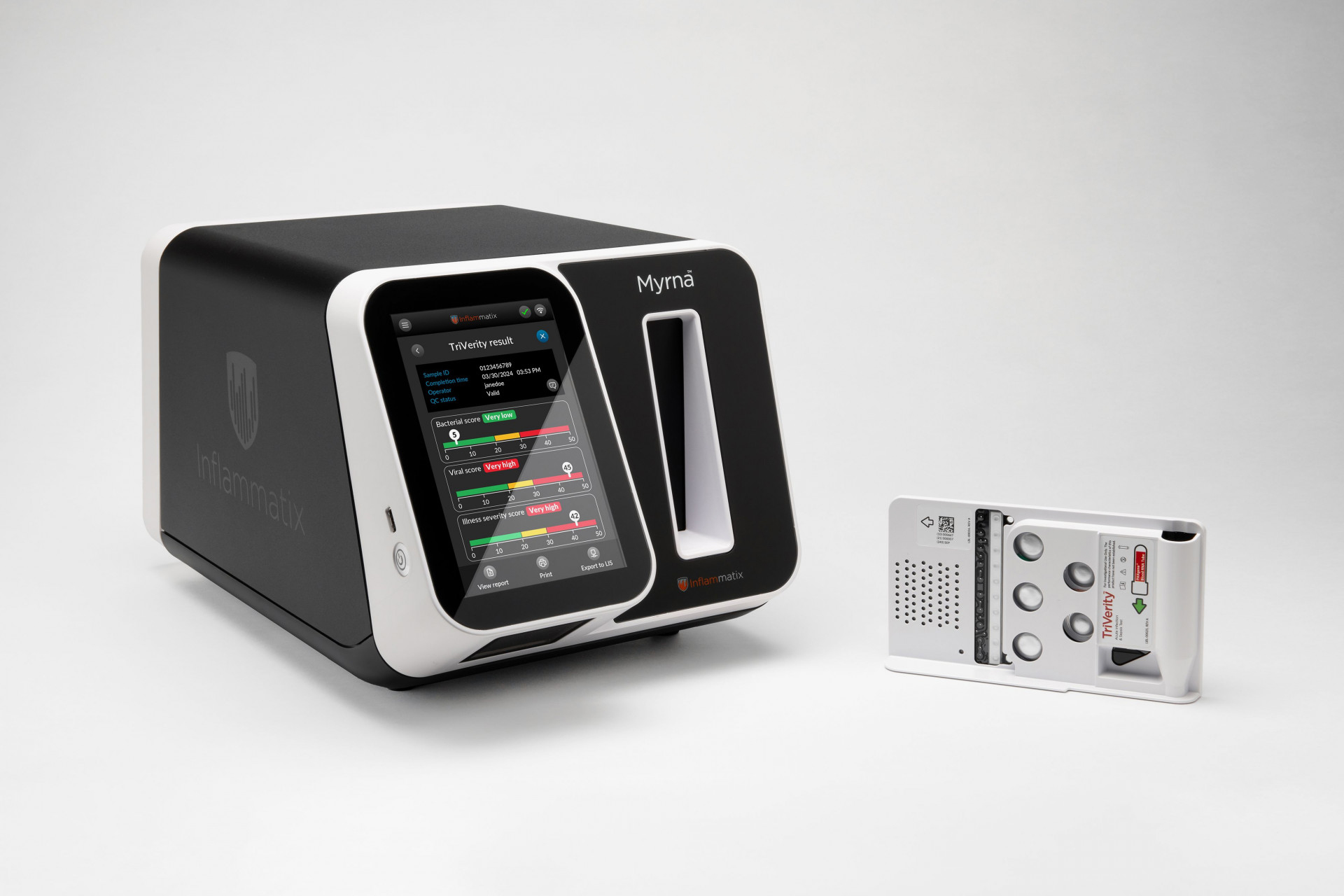
An innovative diagnostic and innovative genetic fingerprint test known as “TRIVERITY” is 29 gina’s activity and uses artificial intelligence to provide 3 degrees for the possibility of bacterial infection, viral infection, and severe disease, defines that it requires care at the intensive care unit level within 7 days.
The study of the reliability of “Tri Verte” included 1222 patients from 22 emergency departments in the United States and Europe, where they analyzed the efficiency of the test in the infection determination and expected its intensity in actual health care environments.
The test exceeded 3 of the criteria currently used in the identification of infection, which provides a more accurate diagnosis, a prediction of the severity of the disease, and better guidelines on the use of antibiotics.