

The end of the holy month of Ramadan represents an important milestone for the body, especially the liver, which plays a pivotal role in metabolism and detoxification processes.
As Eid al-Fitr approaches, it may be useful to make liver care an ongoing habit that is not tied to a specific season. Eating plenty of leafy and cruciferous vegetables, drinking water regularly, and reducing processed sugars and fats are simple steps that support the health of this vital organ throughout the year.
Nutrition specialists confirm that supporting the liver does not require complex systems, but rather is linked to simple habits, most notably drinking plenty of water and eating leafy vegetables and cruciferous vegetables.
Leafy vegetables…natural support for liver function
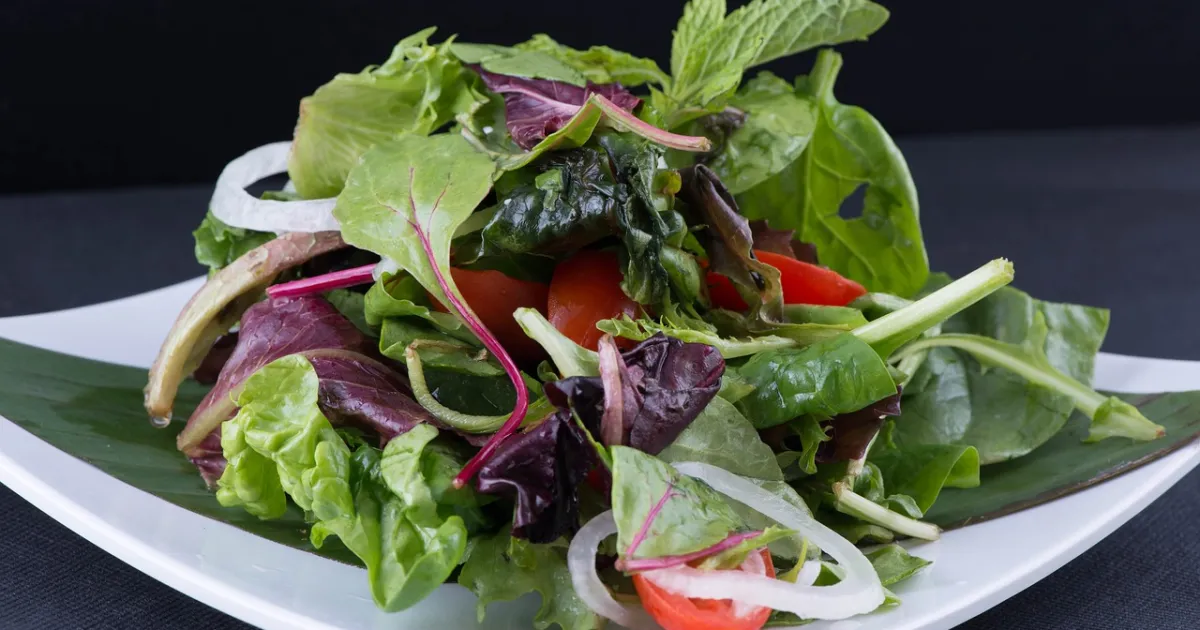
Leafy vegetables such as spinach, arugula, and lettuce are rich sources of antioxidants, especially vitamins C and E, in addition to plant compounds that contribute to reducing oxidative stress, which is one of the factors associated with liver cell damage.
Research published in scientific journals specializing in clinical nutrition indicates that diets rich in vegetables are associated with a lower risk of developing non-alcoholic fatty liver disease, especially when combined with a balanced lifestyle.
Cruciferous vegetables
Cruciferous vegetables, such as broccoli, cauliflower, and cabbage, contain organic sulfur compounds, most notably sulforaphane, which studies have shown supports the work of detoxification enzymes in the liver.
These enzymes play a role in what is medically known as the “conversion and conjugation” stage, where harmful compounds are converted into more water-soluble forms, in preparation for their elimination through the kidneys or digestive system.
Glutathione S-transferase activity is also linked to levels of sulfur compounds in food, and is an essential enzyme in the conjugation and detoxification process.
Water…an indispensable element
Public health experts stress that water is an essential element in all vital interactions within the body, including excretory processes. After the liver processes metabolites or drug residues, the body needs a sufficient amount of fluids to ensure their efficient excretion through the kidneys.
International health bodies recommend maintaining regular hydration, especially after long periods of fasting, and distributing drinking water between breakfast and suhoor instead of drinking it in large quantities at once.
What happens at the end of Ramadan?
During the month of fasting, meal times and sleeping patterns change, and some may tend to eat excessively fatty foods at breakfast. As the end of the month approaches, gradually adjusting the diet and returning to light, fiber-rich options is a useful step to support metabolic balance.
Doctors confirm that the liver is an organ that is naturally capable of renewing its cells and performing its functions with high efficiency, but it benefits from a balanced diet that is low in saturated fats and rich in vegetables, fruits, and whole grains.
It may be helpful to make liver care an ongoing habit that is not tied to a specific season. Eating plenty of leafy and cruciferous vegetables, drinking water regularly, and reducing processed sugars and fats are simple steps that support the health of this vital organ throughout the year.