

Chinese researchers have found that yoga can increase the total duration of sleep for two hours, and that the sport of Tai Chi, running and walking can benefit people with insomnia.
The scientists said that recommending these exercises is suitable for patients due to its low cost and simple side effects.
The study was conducted by researchers from the Chinese-based Chinese Medicine Center, Beijing University of Chinese Medicine, and its results were published in the “BMJ Eviduence-Based Medicine” magazine on July 15, and the British Telegraph was written about it.
People who suffer from insomnia regularly face difficulty in sleeping or difficulty staying asleep or suffering that they wake up several times during the night, and this can cause difficulty focusing or feeling tired and emotion during the day.
To explore the effectiveness of different exercises on sleep quality and insomnia, the researchers team examined 22 studies, included 1348 patients and 13 different sleep enhancement procedures, including 7 exercises: yoga, Tai chi, walking or running and air exercises, as well as strength exercises strength exercises alone air exercises with treatment and mixed air exercises.
The study found that yoga specifically increases bedtime by nearly two hours. According to researchers, the concentration of yoga on physical awareness and breathing control can help relieve symptoms of anxiety and depression, which helps people get a good sleep at night.
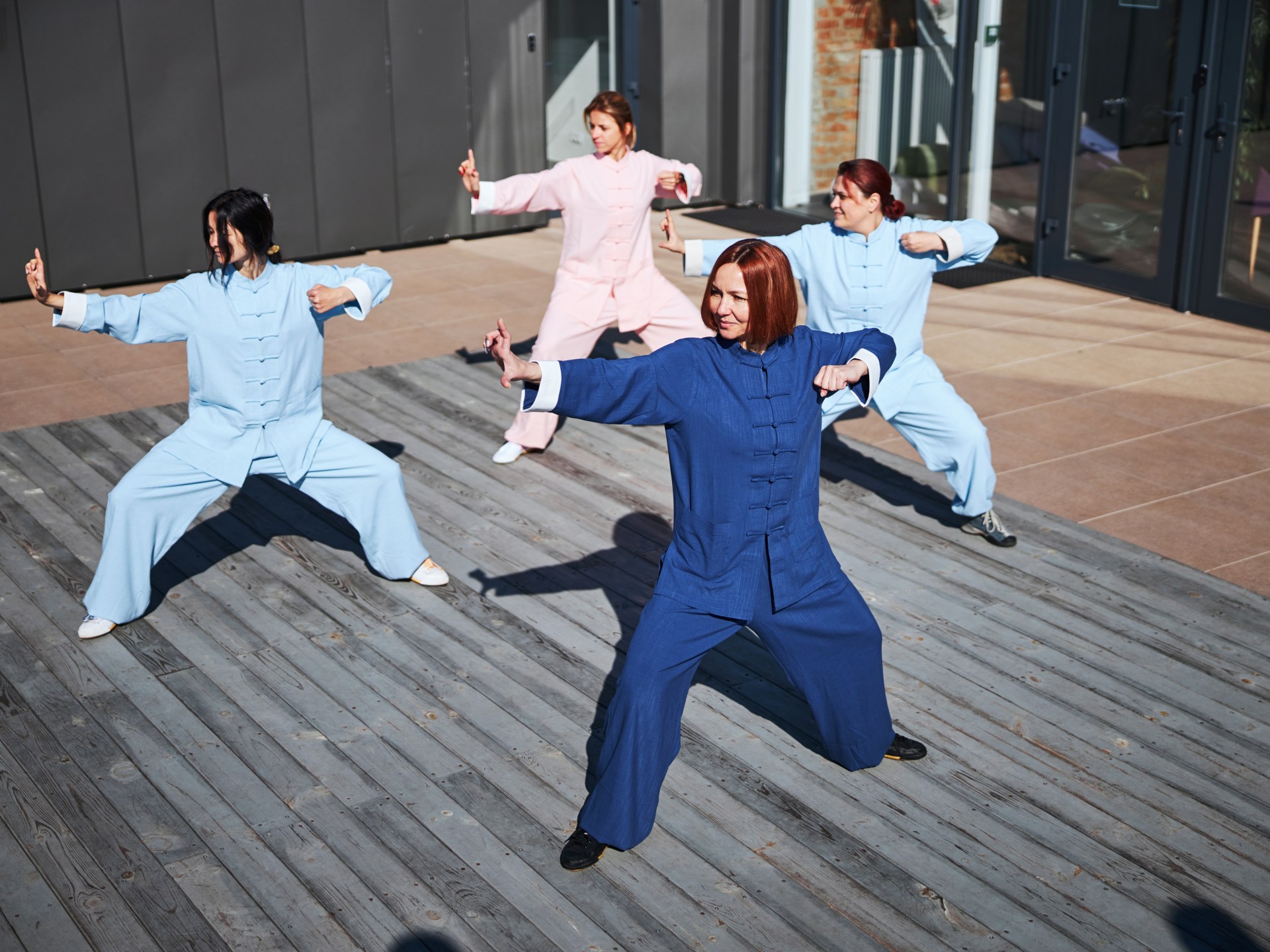
It also revealed that walking or running can reduce insomnia, while Tai Che can improve the quality of sleep, and Tai Chi is an ancient Chinese mutant art that includes slow and flowing movements, focusing on breathing control and physical relaxation.
In another context, the study indicates that walking or running can reduce the levels of tension hormone cortisol, with the promotion of melatonin, the hormone that regulates sleep cycles.
The researchers said: “The results of this study highlight the therapeutic potential of exercise interventions in the treatment of insomnia. Given the advantages of exercise methods such as yoga, Tai -chi, walking or running – including its low cost and simple side effects and ease of access – these interventions are well suited to integrate into primary health care programs and community health programs.”
Other non -exercise -based methods in experiments include methods such as cognitive behavioral therapy, acupuncture, massage, and lifestyle changes.
The researchers said that a number of experiments found that cognitive behavioral therapy “is more effective and has a long -term effect on insomnia than medications.” They highlighted a number of obstacles that prevent the use of cognitive behavioral therapy, including the lack of trained specialists.