

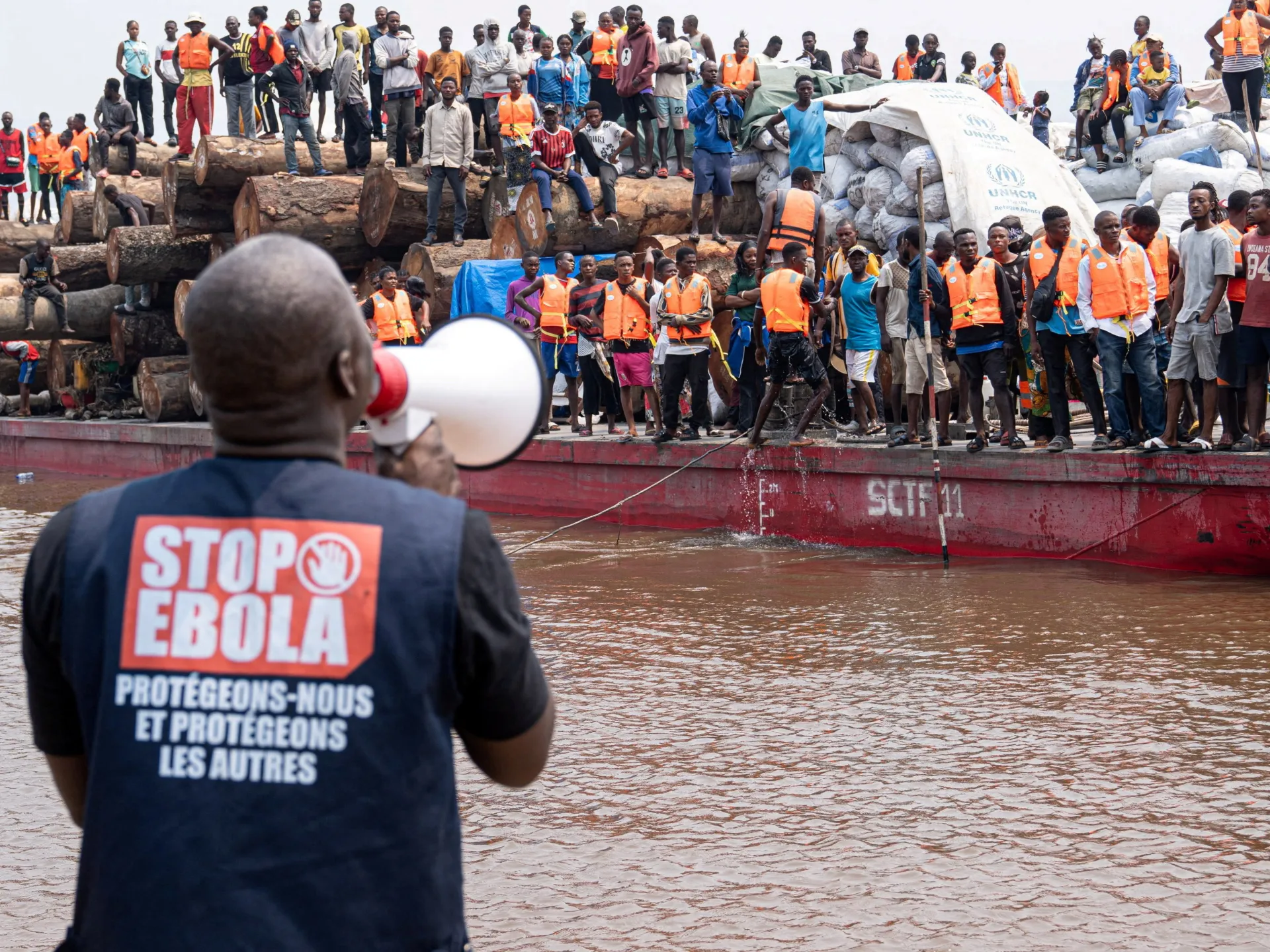
Official government data revealed yesterday, Sunday, that the current outbreak of the Ebola virus in the Democratic Republic of the Congo has claimed the lives of 2,325 people, making it the deadliest in the country’s history, exceeding the toll recorded during the outbreak of the epidemic between 2018 and 2020, which was previously considered the worst.
The Congolese Institute of Public Health confirmed – in its latest report – that the number of confirmed infections had risen to 4,945 cases, including 101 new infections detected during the past 24 hours.
This outbreak – the 17th in the country – had already exceeded, in late July, the record number of infections previously, becoming the largest of its kind in Congo’s history as well in terms of the outbreak of the disease.
Treatment challenges and speed of spread
At the global level, and only 3 months after the official announcement of this outbreak, it was surpassed in size only by the Ebola epidemic that struck West Africa between 2014 and 2016, in which the World Health Organization recorded 28,616 infections and 11,310 deaths in Guinea, Liberia, and Sierra Leone.
The time comparison indicates a worrying acceleration in the pace of deaths, as it took nearly 5 months in the West African wave for the number of deaths to reach a thousand, while deaths in the current wave in Congo reached the 2,000 mark in less than 3 months.
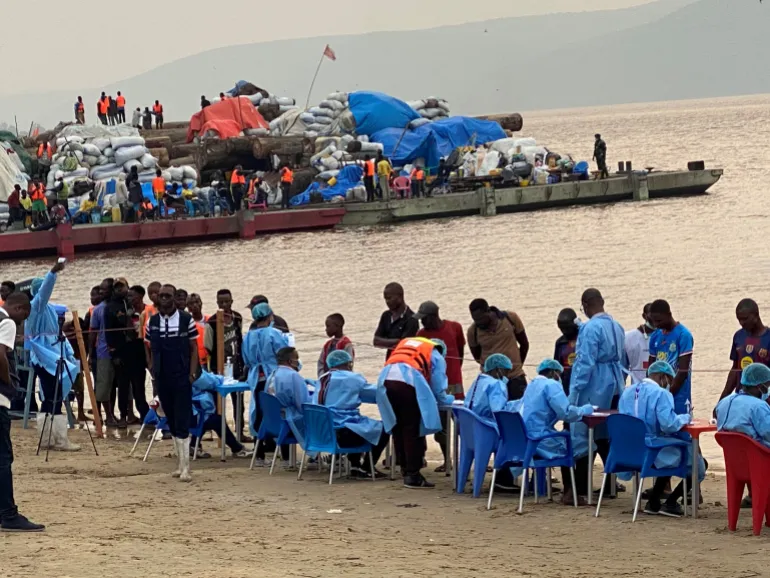
In light of these data, health authorities face a major challenge because there are no treatments or vaccines currently available for the outbreak “Bundibugyo” strain.
While a limited number of experimental vaccines and treatments are being evaluated, global health authorities are studying the effectiveness of currently available Ebola treatments, but the available evidence so far is limited to animal studies.
It is noteworthy that the Ebola virus spreads through direct contact with the bodily fluids of infected people, whether alive or dead, and causes severe symptoms including fever, vomiting, and diarrhea, and in severe cases it may develop into internal and external bleeding.