

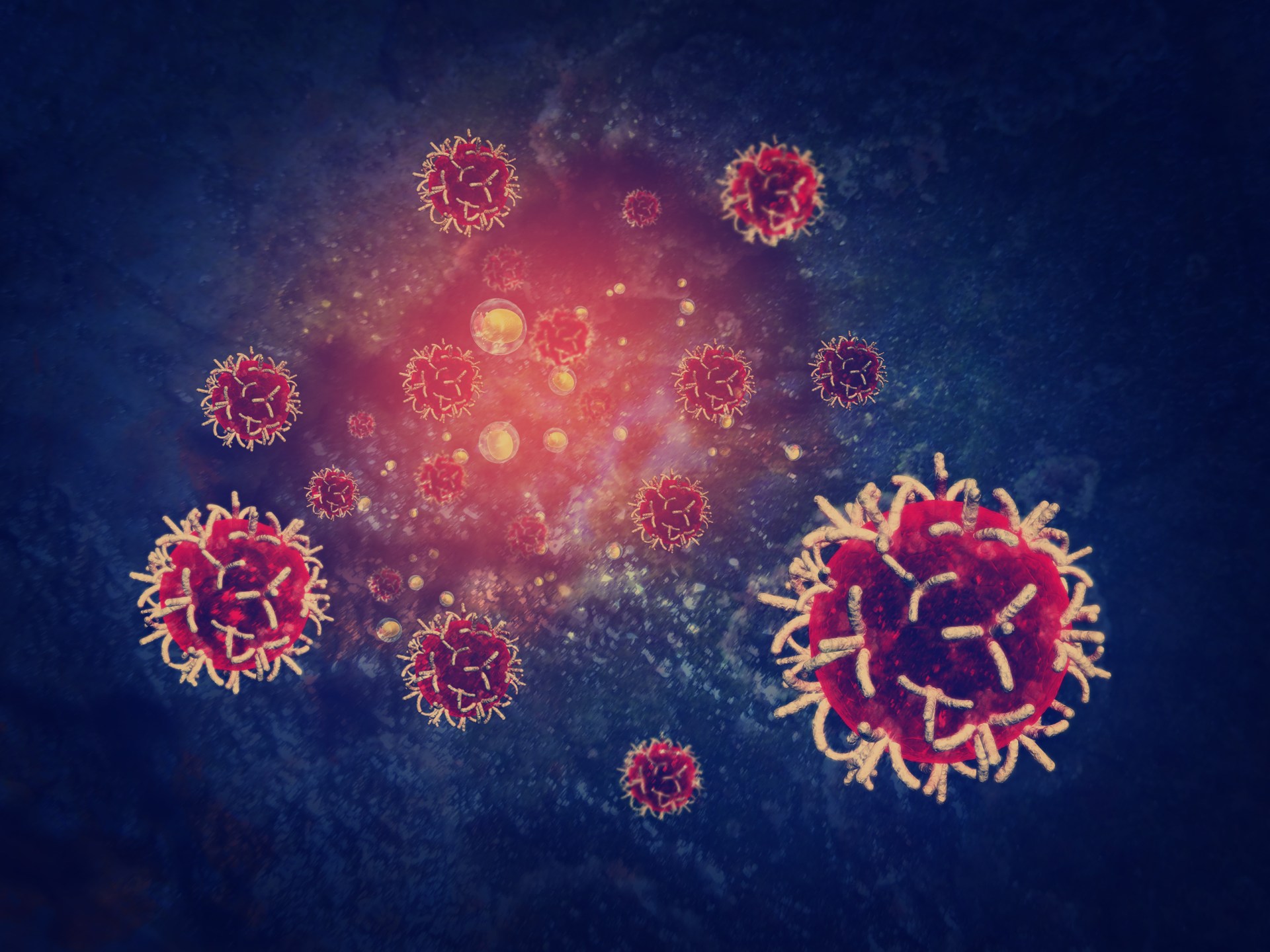
Is cancer an infectious disease? The answer is no. However, although it is not contagious, there are some cases that may make people think that cancer has spread from person to person.
But there are some germs that can play a role in the development of certain types of cancer. This may lead some people to the belief that “cancer is contagious.” Infection that is linked to cancer includes viruses, bacteria and parasites, according to the American Cancer Society.
Cancer in families
If the cancer was infectious, we would have a lift for cancer just as it happens with influenza. We expected the incidence of cancer between families and friends of people with cancer and between health care workers who provide patients with care. This is not true.
The fact that cancer may occur frequently in some families that do not mean that family members have spread cancer among them. The reasons for this are:
- Family members participate in the genes themselves.
- Families may follow similar unhealthy lifestyles (such as diet and smoking).
- All family members may be exposed to the same causative agent.
Cancer groups
Some refer to the “groups” of cancer patients who were in contact with each other as evidence that cancer is contagious. But these groups rarely reflect a cancer infection higher than the average of the general public. In rare cases where there is more cancer in a group, it is difficult to know other factors such as exposure to cancer and lifestyle, which may be responsible for cancer.
Transferring cancer while planting organs
In very rare cases, cancer cells from organ donor cause cancer growth in the person who got the organ. This does not happen much because our immune devices are looking for and destroying the cells of others.
However, those who are undergoing organ transplants must take medications to weaken their immune devices so that their body does not attack and destroy. Consider organs undergo an accurate examination to detect cancer to reduce this risk.
However, recent studies have shown that cancer is more common in those undergoing organ transplants. This is likely to the drugs given to reduce the risk of the member’s rejection, not to the spread of cancer from the donor organ. Because these drugs weaken the immune system, they may prevent the body from finding damaged cells and viruses that may cause cancer and attack them.
The transmission of cancer during pregnancy
Even if the woman has cancer during pregnancy, it rarely affects the fetus. Some types of cancer can be transmitted from the mother to the placenta (the organ that connects the mother with the fetus), but most types of cancer do not affect the fetus itself.
People with cancer need to be with others, but family, friends and co -workers may move away from a dear person with him.
This person with cancer may feel isolated and lonely, although the people around him cannot “develop” cancer from him. So, do not hesitate to communicate with a cancer, as he needs your visits and support.