

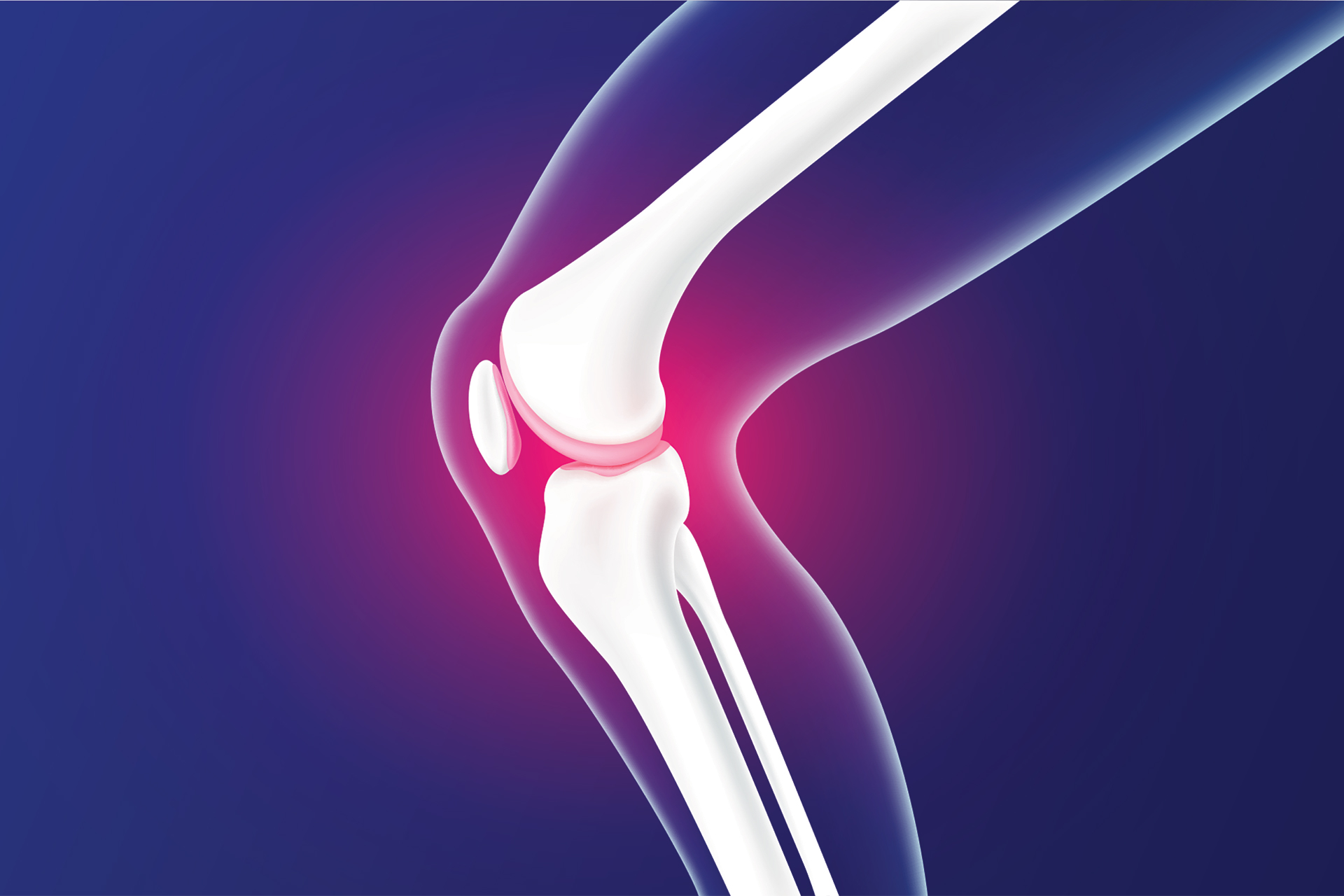
An American study, conducted by researchers from the “Langon” health center at the University of New York, revealed that a slightly new medical action is known as “Rakhbi Article Catheter”, which can relieve chronic pain in the knee resulting from bonelessness, without the need for surgery.
This procedure is performed with light anesthesia in less than two hours by interventional radiologist, and aims to relieve pain without resorting to traditional surgery or replacement of the joint.
The treatment mechanism depends on blocking the abnormal blood flow caused by inflammation caused by cartilage erosion, which leads to the growth of small blood vessels that increases the severity of pain. This is done by inserting a catheter from a small hole in the thigh to reach the target artery, then injecting vital compatible hydrogen granules to block blood flow into any of the six arteries that feed the synovial membrane of the knee, which reduces inflammation and relieves pain.
After the operation, patients undergo a periodic follow -up to assess the level of pain, knee stiffness, and extent of movement.
The results showed that more than 60 percent of 25 patients underwent the procedure, witnessed a significant improvement in symptoms after one year, and the researchers recorded a remarkable decrease in protein levels linked to inflammation and structural changes in the knee, which may represent a biological indication of the success of treatment.
The researchers pointed out that this procedure is a safe and effective alternative to traditional surgery in the treatment of joint pain, as the chronic pain caused by bonelessness is a common condition that occurs when cartilage begins gradually corrosion, which leads to bone friction and irritation of the surrounding tissues.
This corrosion causes inflammation in the joint and increases the growth of small blood vessels that bring additional immune cells, exacerbates the pain and swelling and limits natural movement.
The research team added that this procedure is especially appropriate for patients who have not yet reached the stage of replacement of knee, or who are unable to undergo surgery due to age or risk factors such as obesity, or diabetes that are not controlled, heart disease, or smoking.
Researchers are also planning to continue studying the mechanism of reducing boneless separation and the duration of continued benefits, and determining the most beneficial groups of this treatment.