

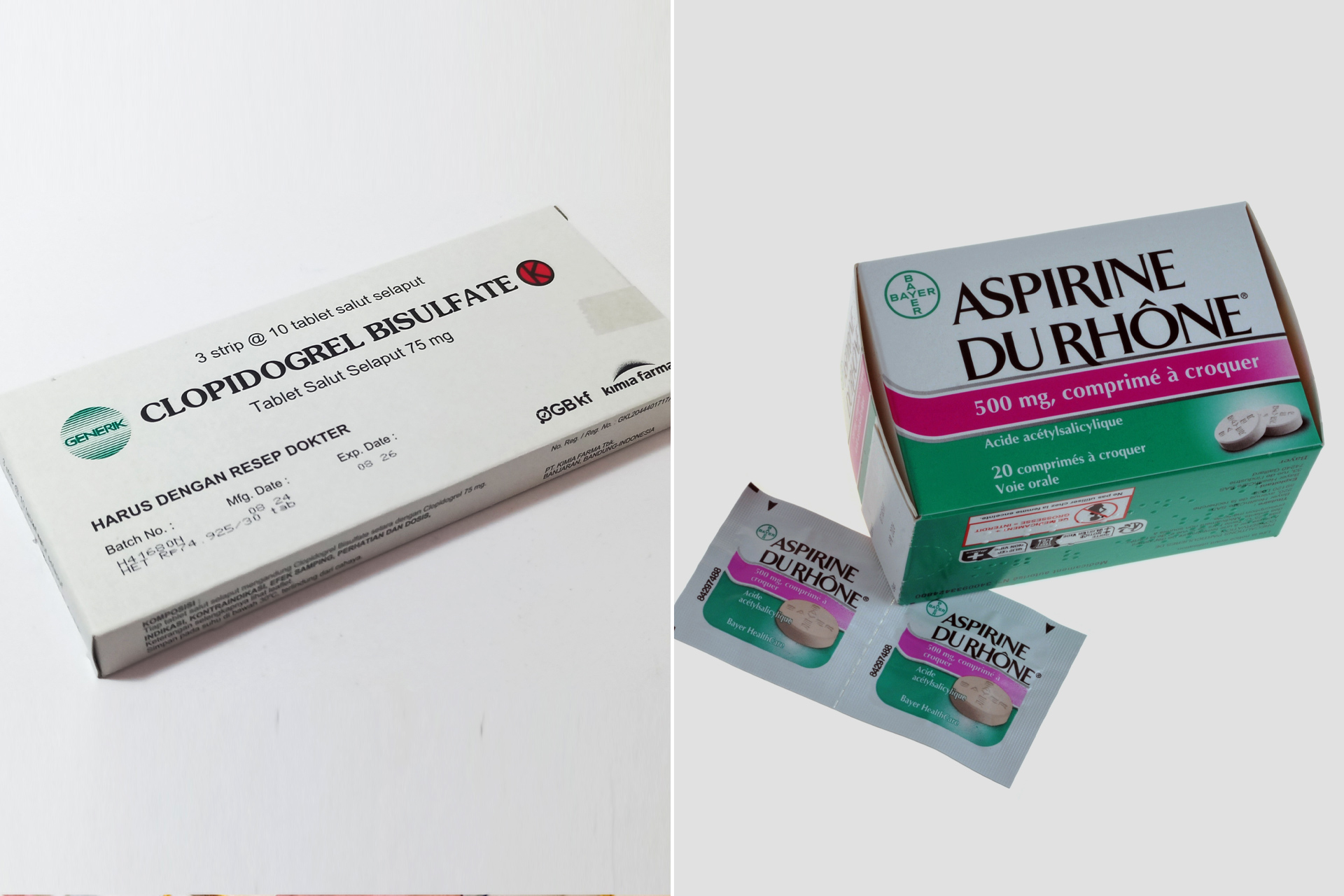
An analysis of approximately 29 thousand people with coronary artery disease showed that Clopidogrel – blood -based – is more effective than aspirin in preventing heart attacks and dangerous strokes, without increasing the risk of severe bleeding.
Old recommendation results use aspirin as a basic treatment for secondary prevention in people with coronary artery disease.
The study was conducted by researchers from the Swiss University of Bern, the Italian University of Swiss in Switzerland and other institutions, and its results were published in the Lancet magazine on August 31, and the American Newsweek magazine wrote about it.
“This is the first conclusive evidence that Clubidography is more effective and safe than aspirin among the patients with coronary artery. We conducted some previous experiences that indicated this, but none of them had a conclusive force to prove this,” said Marco Waljimgali, author of the study and professor of cardiology at the Italian University of the Swiss of Newsweek.
Coronary artery disease is characterized by narrowing of the arteries of the heart, and it usually requires lifelong treatment to prevent heart attacks, strokes and death due to cardiovascular disease.
Aspirin is usually described for coronary artery patients indefinitely, but the evidence that supports its long -term benefits and safety was limited, according to the study.
Expected benefits
The new analysis found that patients taking Clubidography were 14% less likely to have serious cardiovascular or brain injuries – including heart attacks, strokes, or cardiovascular death – compared to those who take aspirin.
More importantly, the rates of severe bleeding were similar between the two medicines, which dispelled fears that Clubidography may lead to more complications of bleeding.
“There is a common perception in society – especially surgeons – that Clubidography is associated with the risk of larger bleeding than aspirin.”
The study was based on various groups of patients, including those who underwent procedures such as installing a pillar or suffering from acute coronary syndrome.
One of the main results of the study was that even patients who might not respond well to Alloidography due to genetic or medical factors who benefited from its use compared to aspirin.
“Copidography reduces the risk of heart muscle infarction and stroke by approximately 20%, and taking into account the long period of treatment, this can be translated into a very few doses needed for treatment to avoid one of these events compared to aspirin.”
More studies – including the evaluation of the effectiveness of Clubidography, will be needed to support any future changes in the treatment standards.