


Researchers from Brazil have warned that some industrial sweeteners may cause unexpected consequences for the health of the brain in the long run.
The researchers discovered that people who consumed large quantities of industrial sweeteners have suffered a faster deterioration in thinking and memory skills compared to those who consumed less, moreover, this link seemed stronger in diabetics.
The study was conducted by researchers from the Department of Aging Medicine, Faculty of Medicine, the University of São Paulo in Brazil, and its results were published in the Neurology Journal (NEUROLOI) on September 3 and wrote about the American Journal of Newsweek.
Researchers have studied consumption of 7 artificial sweeteners usually found in highly treated foods, such as flavored water, soft drinks, energy drinks, yogurt, and low -calorie sweets.
Sugar alternatives and sugary alcohols that underwent the study were: Asesvam-K, Spartam, Erythritol, Skrin, Sorbitol, Tagatose, and Excelol, which are locals in some food products and are used as sweeteners.
Dr. Claudia Kimi Swimoto, author of the Study from the University of Sao Paulo, said in a statement: “Often looked at low -calorie or calorie -free as a healthy alternative to sugar, but our results indicate that some localities may have negative effects on brain health over time,” said Dr. Claudia Kimi Swimoto, the author of the University of São Paulo, said in a statement.
Tracking language and thinking skills
The study included more than 12,000 adults from all over Brazil, whose ages ranged between 35 and 74 years old, who do not suffer from dementia. The average age of 52, and the participants were followed up for an average of 8 years.
Each participant completed questionnaires about his diet at the beginning of the study, explaining in detail what he dealt with and drink during the past year, then the researchers divided them into 3 groups based on the total amount of industrial sweeteners they consumed.
The consumption of the first group reached 20 mg per day on average and represented the least consumed group, while the group consumed the highest consumption of 191 mg per day on average, and the last group was the group that consumed a medium amount.
The highest amount of aspartame was equivalent to one box of diet soda drink, and the highest consumption of Sorbitol was recorded, with an average of 64 mg per day.
Participants underwent cognitive tests at the beginning of the study and its end and its end to track memory and language skills and thinking over time, and the tests were valid aspects such as verbal fluency, working memory, remembrance of words, and speed of processing.
After developing factors such as age, gender, high blood pressure and cardiovascular disease in mind, researchers found that people who consumed the largest amount of localities showed a 62% faster decrease in thinking and general memory skills compared to those who consumed the lowest amount.
People in the medium consumption group witnessed a 35% faster decrease of the group.
“We assume that artificial sweeteners may stimulate processes such as neuritis, neurotransmitter, or brain and intestine axle disorder,” Sawimoto told Newsweek.
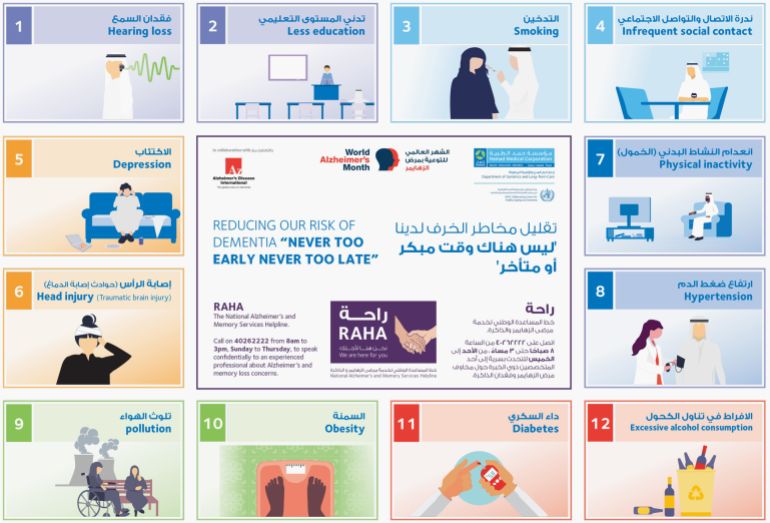
Prevention is better than treatment
Animal studies indicate that aspartame may lead to nervous inflammation, while sugary alcohols such as erythritol and sorbitol microbes of the intestine and weaken the blood blood barrier weaken.
The researchers found that people under the age of 60 and who have eaten large quantities of localities showed a faster decrease in verbal fluency and general awareness compared to those who consumed the lowest amounts.
“This confirms the importance of understanding eating habits at an early stage of puberty, where preventive strategies can achieve the largest impact.”
They also found that the association with the acceleration of cognitive deterioration was stronger for the participants with diabetes than those who are not infected.
When studying individual sweeteners, the intake of acyvam-k, aspartame, erythritol, diabetes, sorbitol, and Xylitol are associated with faster deterioration in general perception, especially in memory.
“While we found links between the cognitive deterioration in middle -aged people, whether people with diabetes or those who are not infected, people with diabetes are more likely to use artificial sweeteners as alternatives to sugar.”
While the study shows a link between the use of some industrial sweeteners and cognitive deterioration, they do not prove that industrial sweeteners are the cause.