

A new study concluded that the environment surrounding tumors greatly affects the work of the immune system, as the cells that attack the cancer cells are exhausted, and their effectiveness weakens due to the low level of oxygen, high acidity and other pressures that affect the mitochondria, which are the energy factories in the cell.
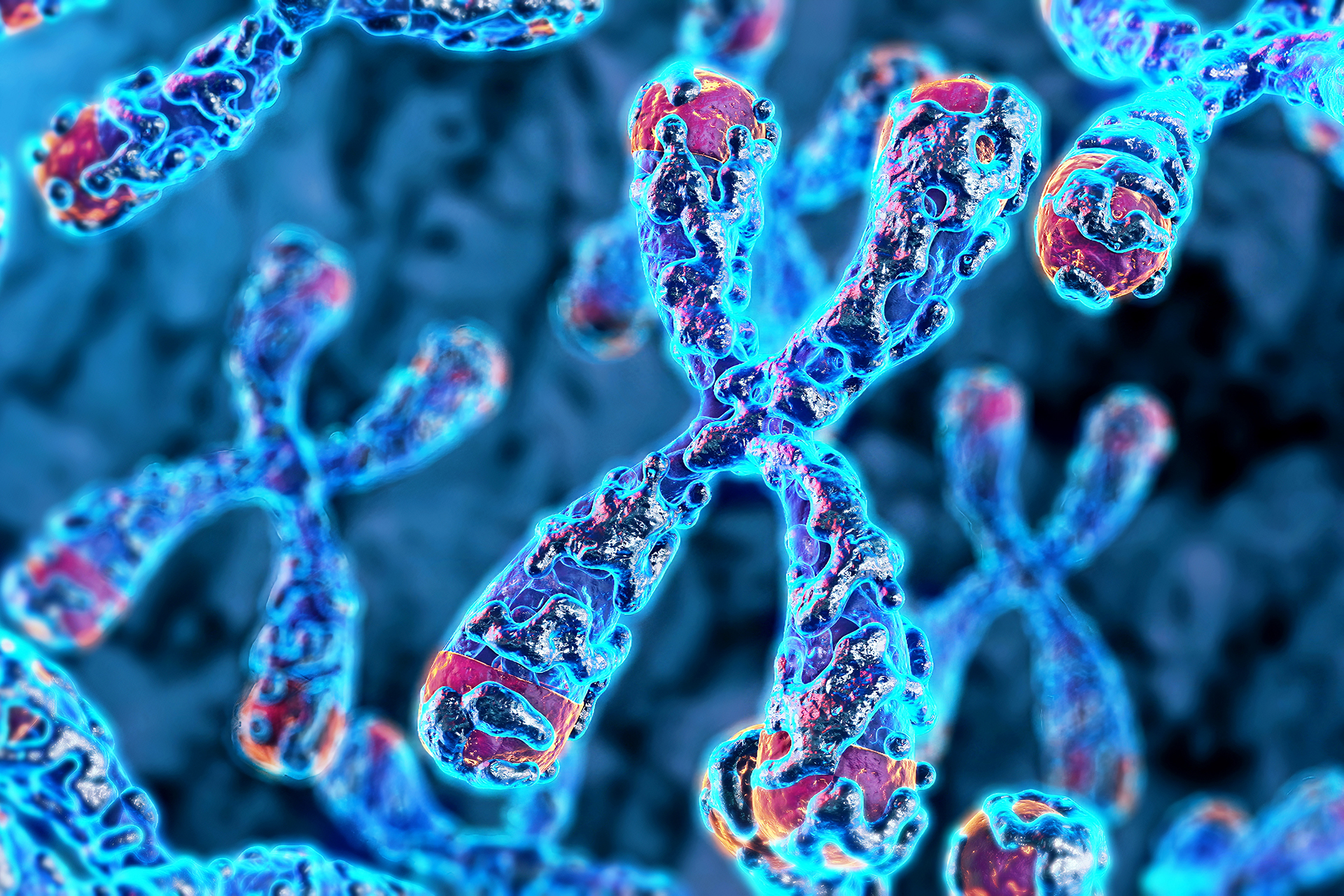
This imbalance leads to the production of harmful molecules known as interactive oxygen molecules, which are transmitted to the cell nucleus and damage the telomeres, which are the ends of chromosomes and are more like protective covers that protect the genetic material and maintain the stability of the cell. When telomeres are damaged, T cells lose their ability to divide and work normally, which weakens their ability to fight cancer.
The study was conducted by a research team from the American University of Pittsburgh, and published in the immunity journal (IMMUNITY) on September 9, and wrote about the Yurrick Alert website.
“The exciting part of this research is that when we prevented telomeres damage using directed antioxidant, we were able to restore the function of T -cells. This opens the door to creating new treatments to enhance the effectiveness of immune treatments for cancer,” said Diaana Revadinira, a assistant professor in the Department of Immunology at the American University of Pittsburgh and a member of the University of Hilman Cancer Center.
To ensure the relationship between mitochondria and teelomeres, researchers used genetically modified mirr The result was the same in both cases: a defect in the T cells and the loss of its ability to work effectively, indicating the presence of direct communication between the different parts of the cell.
New hope in fighting cancer
“The dialogue between the two -way cell components,” said Daya.
Since harmful interactive oxygen molecules were the cause of telomeres damage, the researchers assumed that antioxidants capable of neutralizing these molecules can protect or restore T -cell function. Therefore, the team took Tale cells of mice and genetically adjusted them, so that the antioxidant is directly associated with telomeres to protect them.
When they injected these cells into mice infected with an aggressive type of melanoma, the results showed that animals were better survival, and tumors are smaller compared to mice that received non -modified TV cells.
Scientists hope that this approach will contribute in the future to enhancing the effectiveness of immune treatments for cancer, foremost of which is the treatment of the CART, which depends on adjusting the patient’s immune cells in the laboratory before re -introducing the body to attack cancer cells.
The team is now developing a similar version for humans from this anti -oxidant in preparation for testing in human experiences in the future. Researchers are also planning to study how traditional treatments such as chemotherapy affect the function of T -cells by damaging telomeres, and whether this will affect patients ’response to immunotherapy.