

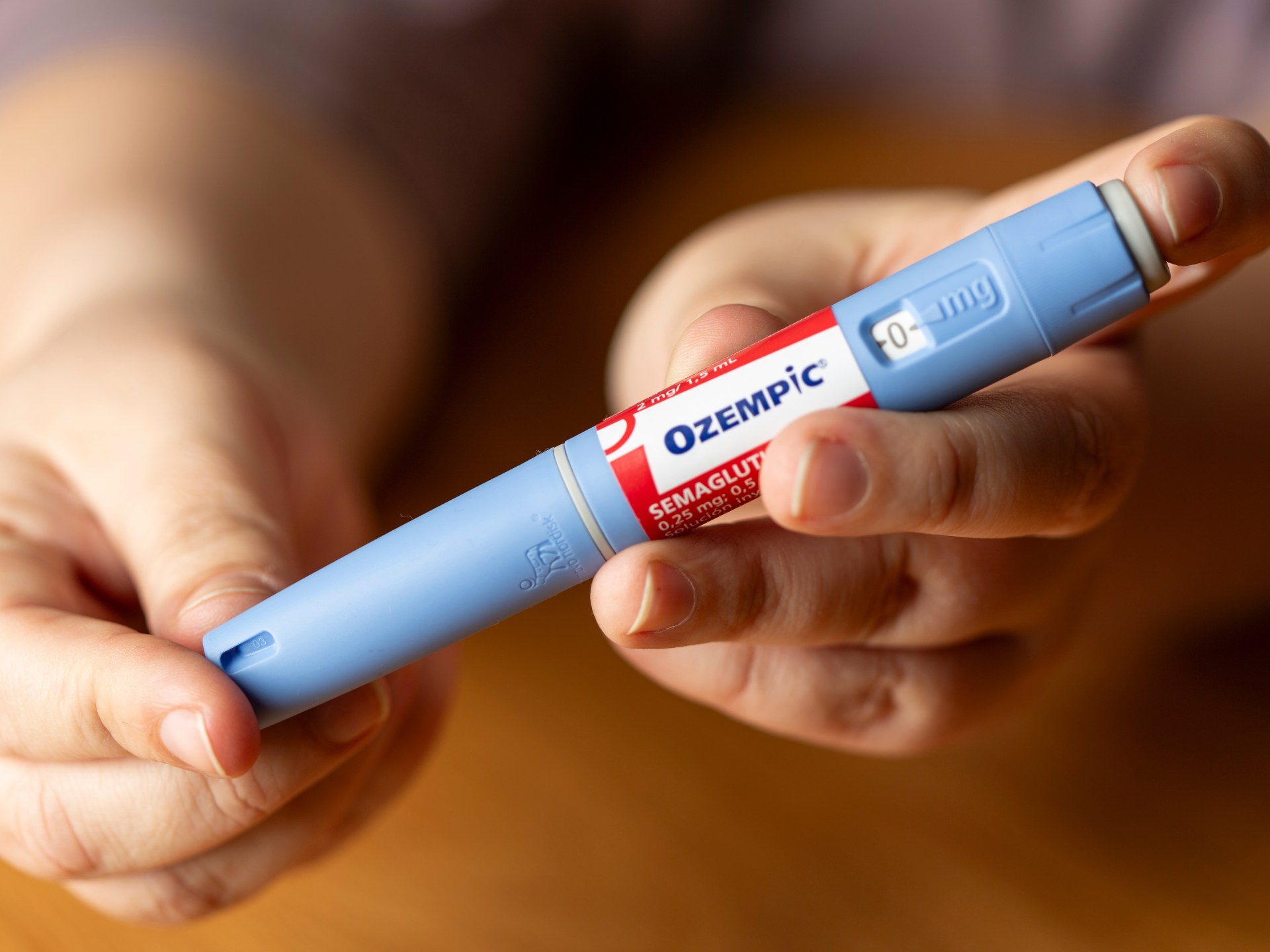
A recent study found that weight loss injections may be very effective for children who are not more than 6 years old and who are obese or type 2 diabetes.
These medications have improved significantly from controlling blood sugar and children’s weight, but those who used them suffered from common side effects.
The University of Florida, the United States of America, reviewed 18 experiments that included weight loss treatments, known as “Glip-1”, GLP-1.
This group of medications works by simulating a hormone to reduce appetite, slow food digestion, and reduce blood sugar levels.
Studies included 1402 children between the ages of 6 and 17, and compared the “GLB-1” effectiveness with placebo in children with obesity, weight gain, diabetes introductions, or type 2 diabetes.
The analysis showed that children who took obesity medications lost 4.72 kilograms on average, and their waist circumference shrinkled by 3.81 centimeters.
However, the researchers pointed out that “intestinal infectious side effects”, which may include nausea, vomiting, diarrhea and constipation, were “significantly more common” among those who took medications compared to those who took a fake medicine.
“GLP-1RA” was effective in improving blood sugar control, weight, and cardiovascular results in children and adolescents.
They added that the longest follow -up periods in future experiences and more realistic studies are “necessary to determine long -term effects.”
Old versions
The experiments covered in the review widely used old versions of weight loss medications. The latest versions, such as “Wegovy” and “Monjaro”, have proven that they are more effective than old versions of adults.
Previous studies have found that adults who were injected with Simajlotide, which is the active substance in my medicine, Wagofi and Ozambek, lost 14% of their bodies over 72 weeks.
As for those who consumed Terzopatid, known as Monjo, they lost 20% of their bodies during the same period.
There are ongoing experiments on these new drugs in children with type 2 diabetes, which are very necessary, because the weight loss achieved by old drugs, as shown in this metaphysical analysis, is somewhat modest, although the safety reports that are informed so far are reassuring.
However, we need more safety assessments of new drugs, including their effects on growth and puberty, and consider the need for these drugs.
It should be noted that we cannot solve the problem of children’s obesity with medicines alone, as preventing changing the obesity environment is the solution, but it is extremely difficult to do this as no country has really solved this problem.