

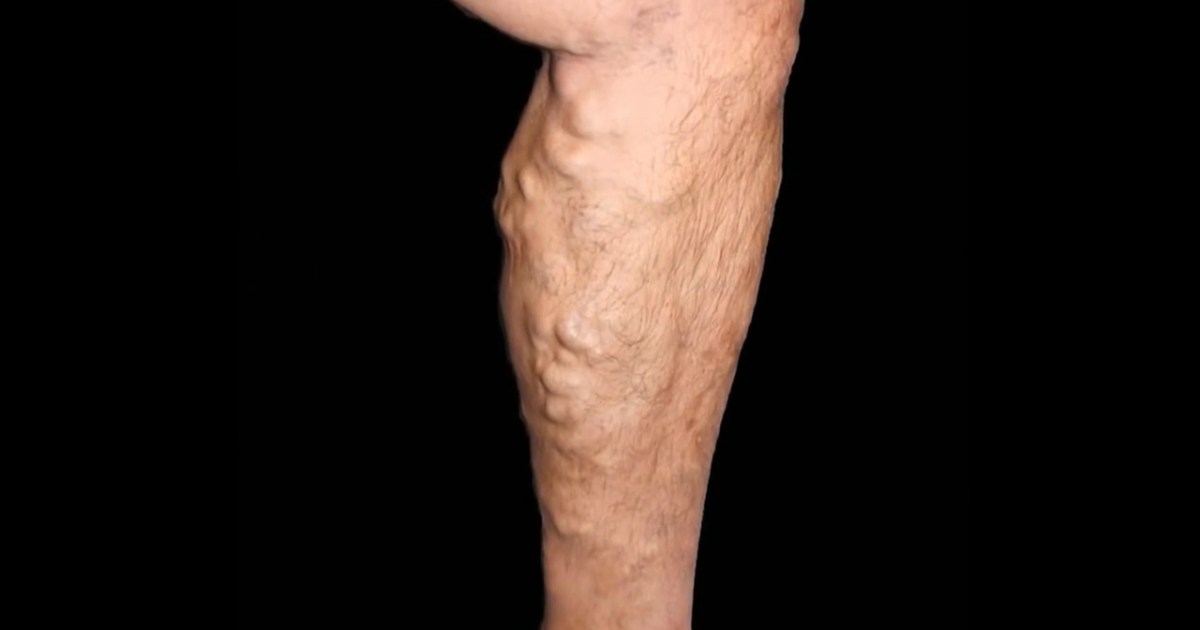
The Federal Association of German Internal Doctors said that blood clotting is partial or total blockage in a blood vessel due to a blood clot (thrombosis), and deep veins in the legs are usually affected in particular.
However, blood clotting can also occur in other parts of the body, for example in the arms, pelvis, or even the brain.
Risk factors
The association explained that the risk factors leading to blood clotting are:
Lack of movement (such as long trips, bed rest and gypsum plane).
Surgery (especially orthopedic or abdominal surgeries).
Pregnancy and postpartum period.
Using hormonal contraceptives or alternative hormone therapy.
Cancer diseases, which increase the probability of clotting.
– The genetic factors that cause blood clotting (such as the boom of the fifth factor of Aiden).
Smoking.
Obesity.
Diabetes.
Age.
Symptoms
The typical symptoms of blood clotting include:
Feeling of tension or pain.
Swelling and redness.
Skin color change (blue or red).
– surface veins, visible and winding.
Pulmonary
The Association stressed the need to undergo medical care as soon as these symptoms are noticed, in order to avoid possible serious complications such as the pulmonary embargo, which threatens life.
The warning signs of pulmonary embezzle are:
Sudden shortness of breath.
Chest pain and coughing (perhaps accompanied by a bloody phlegm).
Rolly in heartbeat.
Dizziness, fainting or collapse in the circulation.
Ways for treatment
The blood clotting treatment aims to dissolve the stroke or prevent its spread, and includes ways of treatment:
Anticens: blood-blooded drugs such as heparin (initially) and mono-faithful oxidase inhibitors (such as Apoxaban and Rifaroxpan) for long-term treatment.
Pressure therapy: The medical pressure socks supports venous blood return and prevent swelling.
Movement: Early exercise improves blood flow, unlike the previous recommendations, you should now avoid bed rest.
Dissolve the thrombosis or surgery (hippotation): in cases of particle clothing accompanied by an imminent damage in the tissues or unstable pulmonary obstruction.
It is important to adhere to the prescribed treatment duration, which usually ranges from at least 3 to 6 months. In the event of a permanent risk of blood clotting, long -term medications may be taken.