

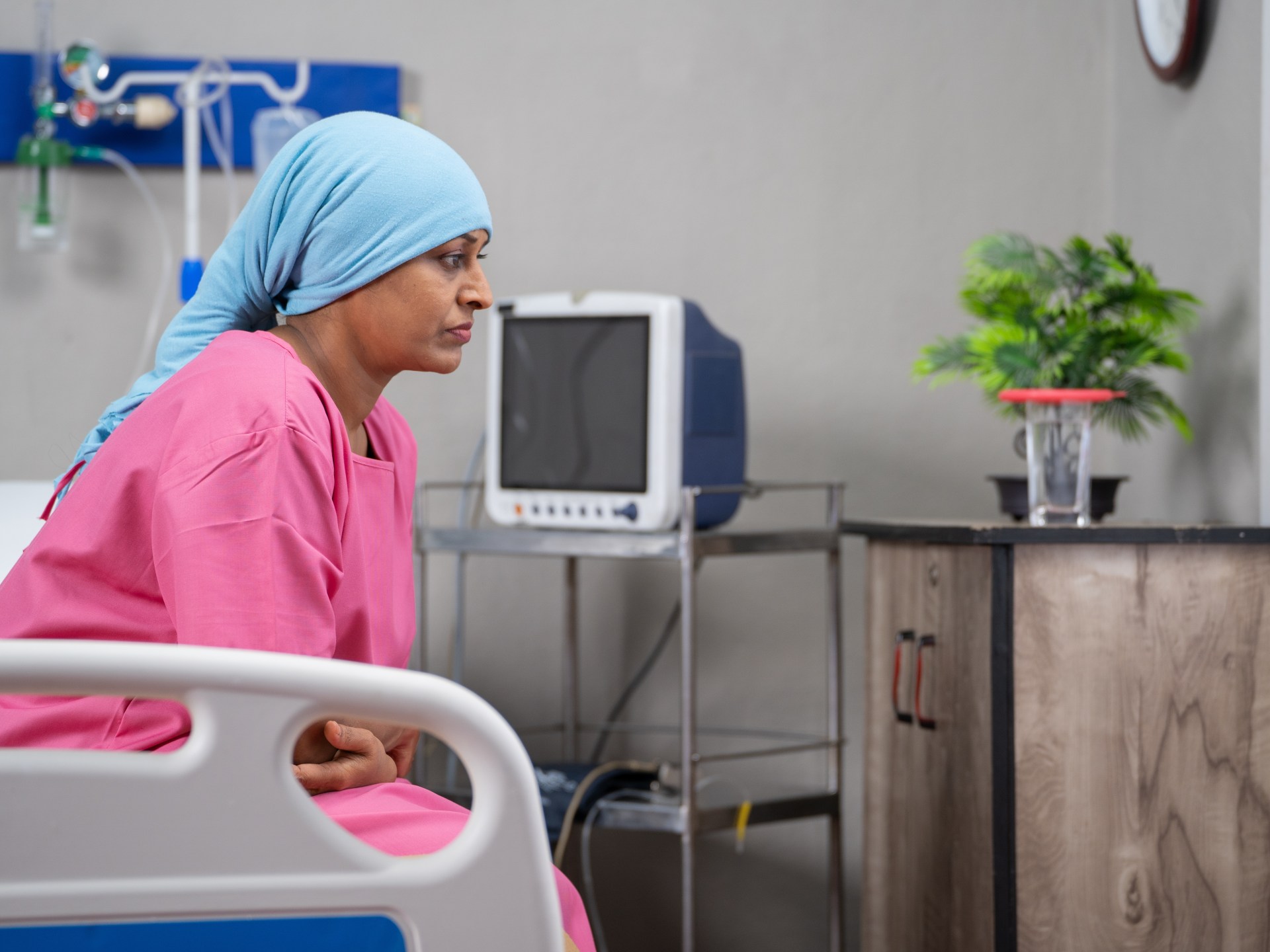
A new study finds that loneliness and social isolation in cancer patients are linked to a higher risk of death.
The study was conducted by researchers from the Faculty of Medicine at the University of Toronto Temerty, in Canada, and its results were published in the journal BMJ Oncology on October 14, and the Eurek Alert website wrote about it.
Researchers indicate that new cases of cancer globally are expected to rise to 35 million cases, and deaths related to it to reach 18.5 million cases by 2050.
Loneliness is relatively common among cancer patients, and although loneliness is associated with various health problems, including cognitive problems, sleep disorders, immune system dysfunction, and pain, it is not clear whether it is also linked to a higher risk of death from cancer.
To further explore the impact of loneliness on cancer patients, the researchers examined research databases and tracked relevant studies published until September 2024.
16 studies were reviewed that included more than one and a half million patients, with an average age of 63 years.
Care of a different kind
The studies were conducted in Canada, England, Finland, France, Ireland, Japan, and the United States of America, and included different types of cancer.
Data analysis showed that loneliness was associated with an increased risk of death from any cause by 34%, and loneliness was associated with an increased risk of death from cancer-related causes by 11%.
The findings suggest, according to the researchers, that loneliness and social isolation may influence cancer outcomes beyond traditional biological and treatment-related factors.
“Biologically, the stress response resulting from loneliness may lead to immune dysfunction and increased inflammatory activity, which ultimately contributes to disease progression,” the researchers say.
Physical changes resulting from treatment may limit the patient’s participation in social events and may weaken his community ties.
The researchers conclude that if these findings are confirmed in other systematic studies, they will indicate the need to routinely incorporate psychosocial assessments and targeted interventions into cancer care.