

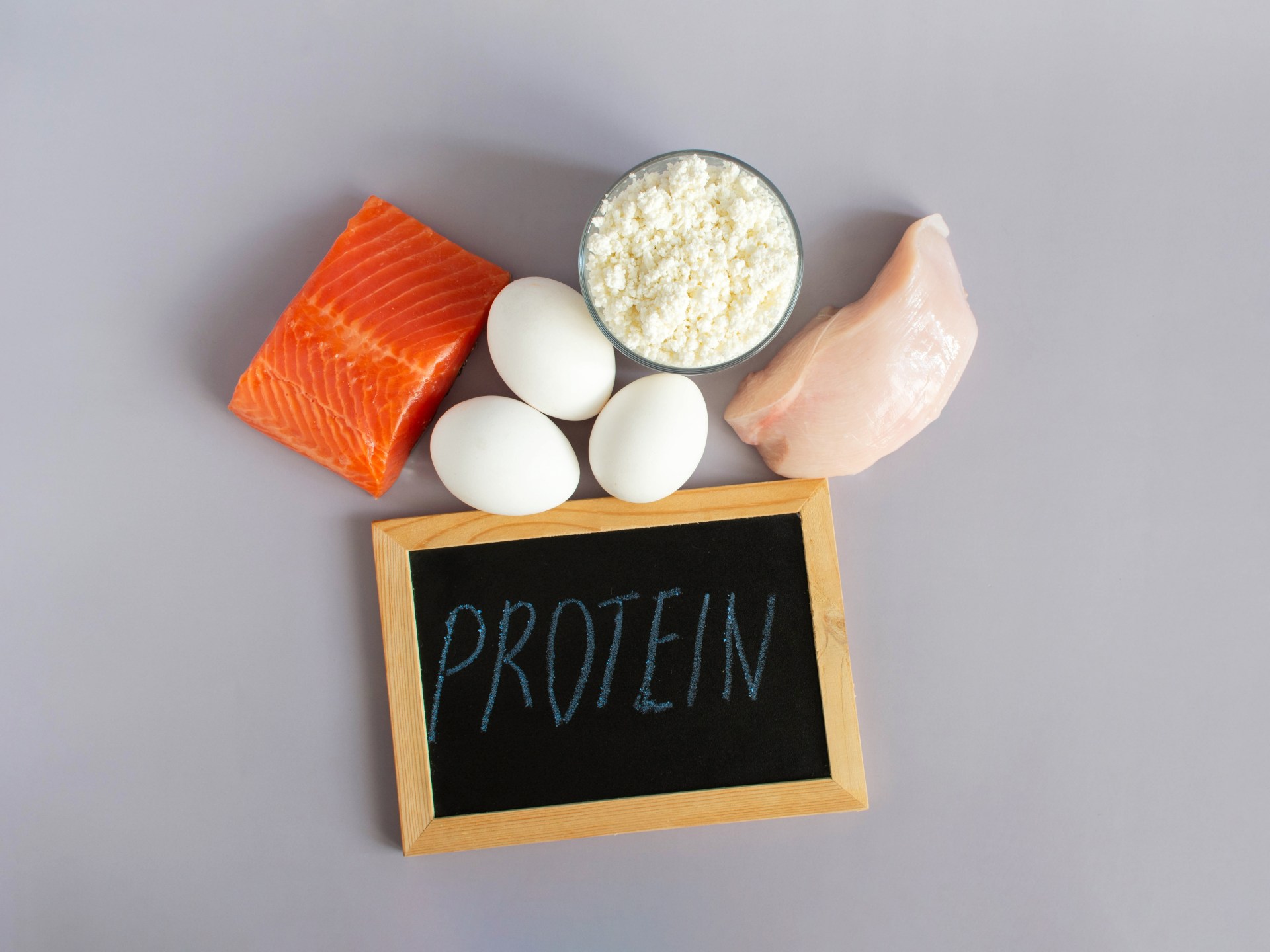
Protein is an essential macronutrient that the body needs for growth, development and tissue repair.
Protein is found throughout the body, and is the building block of every human cell: in muscles, bones, tissues, skin, hair, and in almost every other tissue.
The protein forms enzymes that promote biochemical reactions within the body, and is necessary for the formation of hemoglobin, which carries oxygenated blood throughout the body.
Although consuming a sufficient amount of it is necessary to prevent malnutrition and maintain muscle mass and strength as one ages, excessive intake may lead to a number of serious health complications, including kidney stones, heart disease, and even cancer.
There is no evidence that exceeding a person’s individual protein needs provides additional health benefits, but may even be at the expense of other essential nutrients such as fibre, vitamins and minerals.
Nutritionist Rob Hobson told the British Daily Mail: “While protein is essential for health, strength and maintaining muscle as we age, the reality is that most people in the UK are already getting more than enough.”
Protein alone does not work
Hobson explains that protein alone does not work: carbohydrates and fats are no less important.
He added: “On average, UK adults consume around 1.2g of protein per kilogram of body weight per day, which already exceeds the government’s adult guidelines of 0.75g per kilogram of body weight per day.
This means that men should typically consume about 60 grams of protein per day, women about 54 grams, while anyone over the age of 50 should aim for about one gram per kilogram, because absorption decreases with age.
Instead of chasing numbers, Hobson advises focusing on a variety of high-quality protein sources.
Hobson suggested incorporating a mix of “plant and animal protein sources – such as lentils, eggs, soy, nuts, fish, poultry, and dairy products – to easily achieve your protein goal.”
For example, sprinkling nuts and seeds on your yogurt in the morning can ensure you start your day with more than 10 grams of protein.
Hobson explained that a small chicken breast contains about 30 grams of protein, which makes it a great choice for lunch or dinner.