

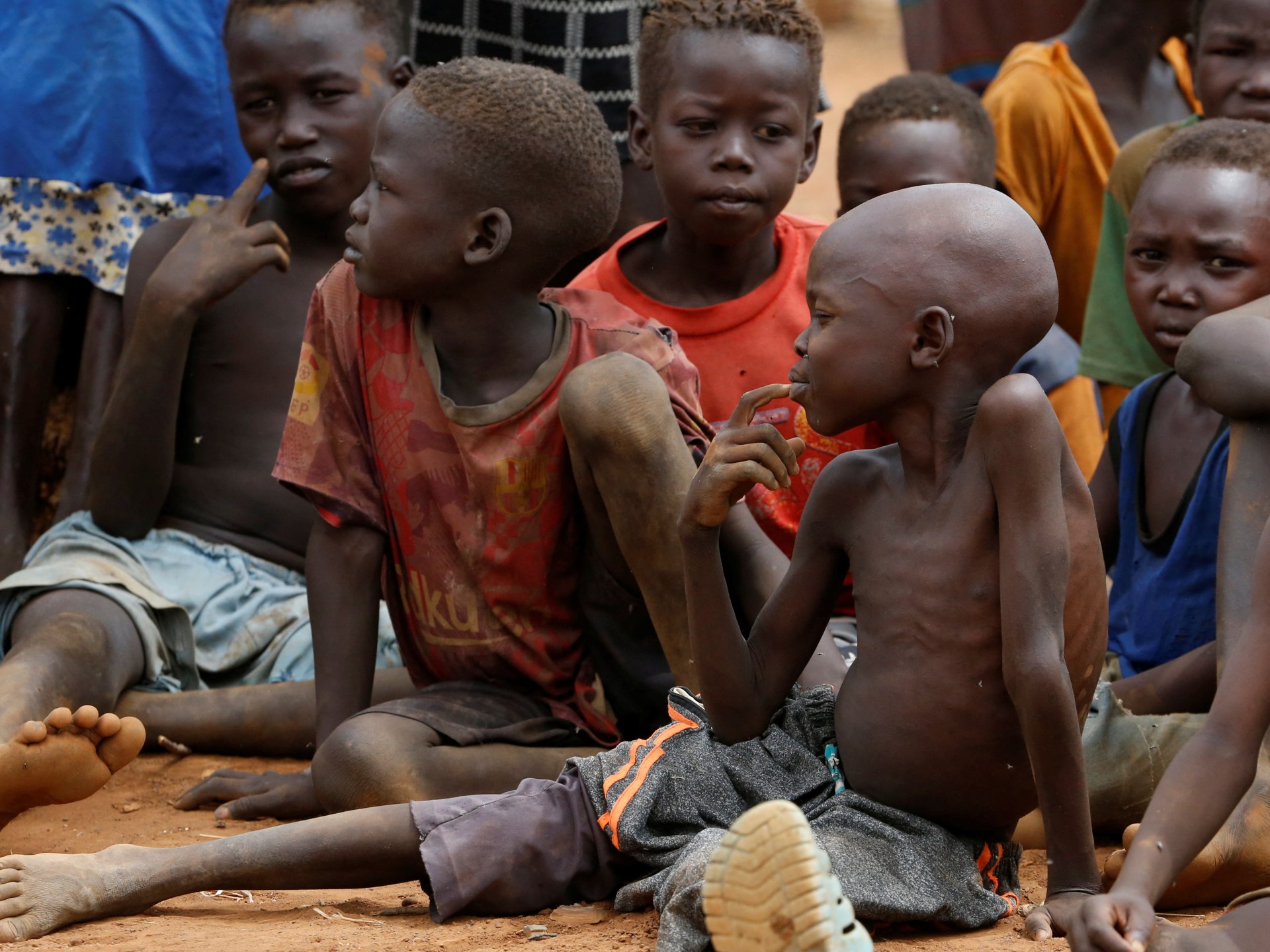
The United Nations World Food Program has warned that millions of people are at risk of losing life-saving food aid, in light of an unprecedented funding crisis that threatens 6 of its most prominent humanitarian operations around the world.
In its latest report, the program revealed that the sharp decline in international support, especially after the reduction in US aid, will lead to a 40% decrease in its funding in 2025 compared to the previous year, falling from $10 billion to only $6.4 billion.
The program’s executive director, Cindy McCain, said that the gap between what the program needs and what it can deliver “has never been wider than it is today,” warning that the world may lose decades of progress in the fight against hunger.
Countries on the brink of famine
According to the report, an additional 13.7 million people may slide from “crisis” to “emergency” levels of food insecurity, an increase of nearly a third.
The most affected operations include:
– Sudan: Half of the population (25 million people) faces severe food insecurity, while aid only reaches 4 million per month.
– South Sudan: All beneficiaries receive reduced rations, and some basic items will run out by the end of October.
Somalia: 4.4 million people face high levels of hunger, while the number of beneficiaries will be reduced from 1.1 million to only 350,000 due to a financing gap exceeding $98 million.
– Democratic Congo: Aid has decreased to 600,000 people instead of 2.3 million, with a warning of a complete stop by February 2026.
– Haiti: Hot meal programs have stopped, and families receive only half of the monthly ration.
Afghanistan: Aid reaches only less than 10% of those in need, despite worsening malnutrition.
Urgent call
The report indicated that the gains achieved in the Sahel region, where combined relief and resilience-building programs helped remove half a million people from aid dependency, are at risk of collapsing if funding is not renewed.
The program warned that the continued decline in funding would lead to the loss of millions of lives, calling on the international community to act quickly to avoid an “imminent humanitarian catastrophe.”