

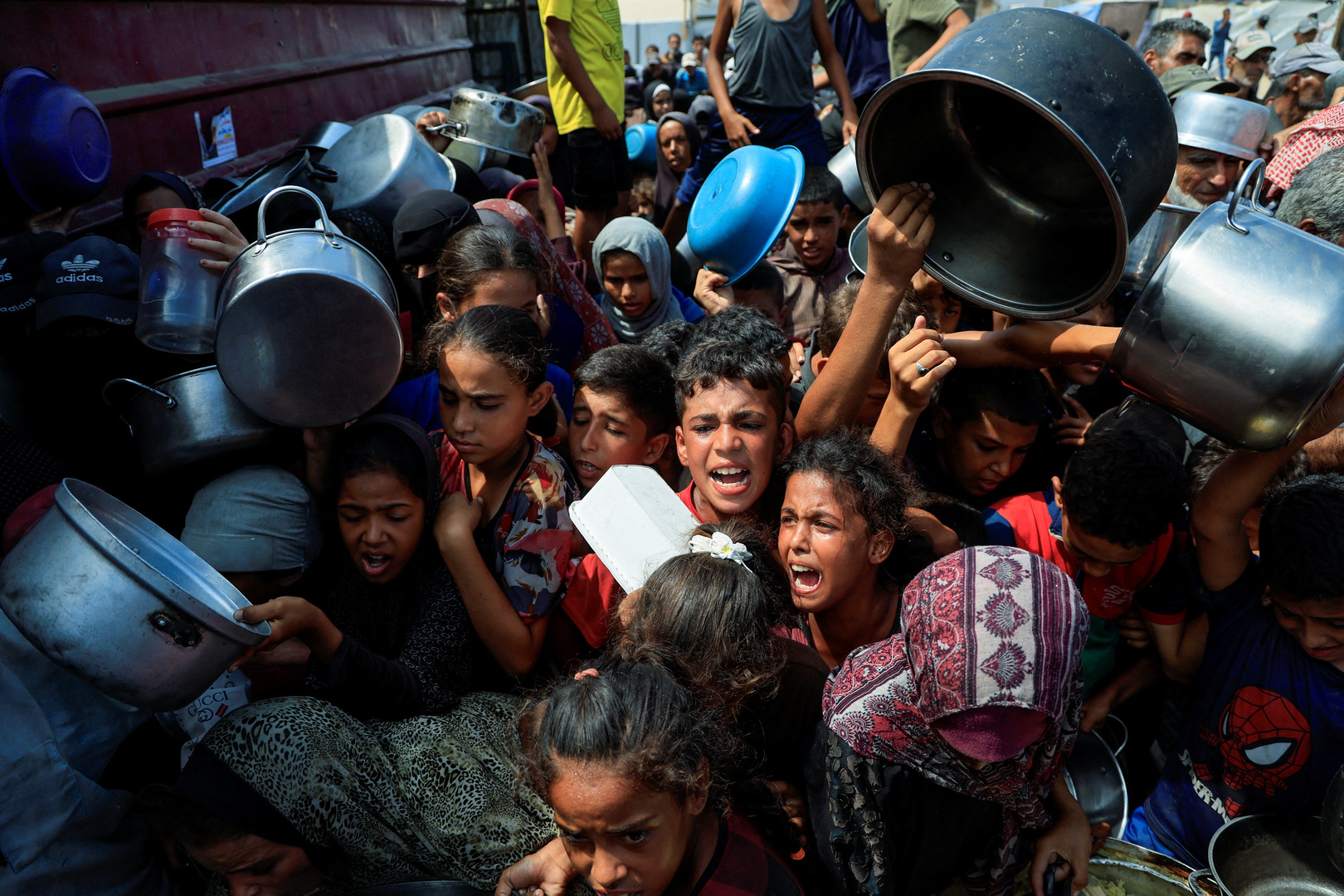
After stopping the Israeli war of annihilation that lasted for two years on the Gaza Strip, Israel continues another war targeting the health of the residents of the Strip, by “fattening” them with obesity that does not relieve hunger, does not grant health and well-being, but rather causes disease.
Israel practices what may be called “hunger engineering,” as it allows the entry of non-essential goods, such as chocolate, biscuits, and soft drinks, while placing restrictions on the entry of nutritious materials such as meat, which provides the body with proteins, and vegetables and fruits, which provide the body with vitamins, fiber, and minerals.
This causes Gazans to gain weight, but it is an unnatural weight, as it consists of fat, not the muscles they need to compensate for the muscle mass they lost during the two years of genocide.
Currently in Gaza, there is a shortage, or even a near absence, of the basic materials that the human body needs, such as meat, chicken, fish, and eggs, which are essential components of a healthy diet.
Besides some fruits and vegetables, permitted items included carbohydrates and starches such as wheat flour, semolina, rice, pasta, canned corn, and potatoes; sugar, such as chocolate, sweets, and jam; fats such as butter, processed cheese, and canned cream; And other secondary goods such as cigarettes and soft drinks.
However, animal proteins are still largely restricted. Eggs are completely missing, dairy products are mostly unavailable, and frozen chicken and beef are allowed in very limited quantities, making them unaffordable for the vast majority of the population.
Reports quoted citizens in Gaza complaining that they do not feel any improvement in the nutritional situation after the ceasefire, because the foodstuffs available in the Strip are unhealthy, as canned and dried foods cannot replace basic natural foods such as eggs and fresh meat. Therefore, there is no cure for the effects of famine.
What is the importance of protein in food for health?
A person should get at least 10% of their daily calories from protein. A person’s daily need for protein is generally calculated by multiplying his weight in kilograms by 1.2, so he gets the protein he needs in grams. If a person weighs 80 kilograms, he will need 96 grams of protein daily.
For example, a 170-gram container of low-fat Greek yogurt contains about 17 grams of protein. A whole chicken breast piece provides about 50 grams of protein. A cup of beans contains about 15 grams of protein.
If a person does not get a sufficient amount of protein – as is the current situation in Gaza – the following complications will appear:
1- Swelling
The most common sign of not getting enough protein is swelling (also called edema), especially in the abdomen, legs, feet, and hands.
2- Mood swings
The brain uses chemicals called neurotransmitters to transmit information between cells. Many of these neurotransmitters are made of amino acids, which are the building blocks of protein. So, a lack of protein in the diet may mean that the body cannot produce enough of these neurotransmitters, and this would change how the brain works. With low levels of dopamine and serotonin, for example, a person may feel depressed or overly aggressive.
3- Hair, nails and skin problems
Hair, nails and skin tissues are made up of proteins such as elastin, collagen and keratin. When the body cannot produce it, a person may suffer from hair breakage or loss, dry and peeling skin, and the appearance of deep lines on the nails.
4- Weakness and fatigue
Research indicates that not eating enough protein for just one week can affect the muscles responsible for body posture and movement, especially if the person is 55 years old or older. Over time, protein deficiency can lead to a loss of muscle mass, which reduces strength, makes it more difficult to maintain balance, which increases the risk of fractures, and slows metabolism, which increases the risk of obesity. It can also lead to anemia, when cells don’t get enough oxygen, making you tired.
5- Hunger
This may seem obvious. Protein nourishes the body. It is one of the 3 sources of calories, along with carbohydrates and fats. Studies have found that eating protein-rich foods helps you feel full throughout the day.
6- Slow healing
People with protein deficiency often find that their cuts and scrapes take longer to heal. The same appears to be true for sprains and other exercise-related accidents. This may be another effect of the body not producing enough collagen. Collagen is found in connective tissue as well as in the skin. To clot blood, you also need proteins.
7- Infection or continuation of the disease
Amino acids in the blood help the immune system produce antibodies that activate white blood cells to fight viruses, bacteria and toxins. A person needs protein to digest and absorb other nutrients that maintain health. There is also evidence that protein can change the levels of “good” disease-fighting bacteria in your gut.
Misleading impression
According to a report published on the Middle East Eye website, during the past three weeks, dozens of trucks loaded with goods have entered Gaza, reviving its markets for the first time in months. Hundreds of street vendors now offer bright colors of chocolate, different types of coffee, and some fruits.
Abdullah Sharshara, a lawyer and legal researcher from Gaza, told Middle East Eye: “Most of these goods consist of carbohydrates, sugars and starches… Israel creates a misleading impression that the blockade on the Palestinian people has been lifted.”
He added, “These materials include flour and different types of cheese used in sweets and pizza, in addition to sugar and flour derivatives used in the sweets industry.”
It is clear that the focus on importing these materials indirectly leads people to depend on them as a main source of food, and also forces humanitarian organizations to focus on purchasing and distributing these products, as they are the only ones available in the local market.
Sharshara explained that Israel deliberately allows some foodstuffs to enter Gaza “to cover up the signs of weight loss shown by the population over the past year.”
He added: “There is now an abnormal increase in people’s weight. It seems that the Israeli occupation is trying to hide the crime of starving the Palestinians by creating the opposite image, an image of a rapid and abnormal increase in weight.”
Sharshara reported that he lost about 20 kilograms of weight last year during the Israeli war of genocide on Gaza, but now he is gaining weight quickly.
He said: “I lost weight due to the limited and repetitive food choices that we had to eat over the past year. Now, I eat the same quantities, but it leads to weight gain,” but it is unhealthy.