

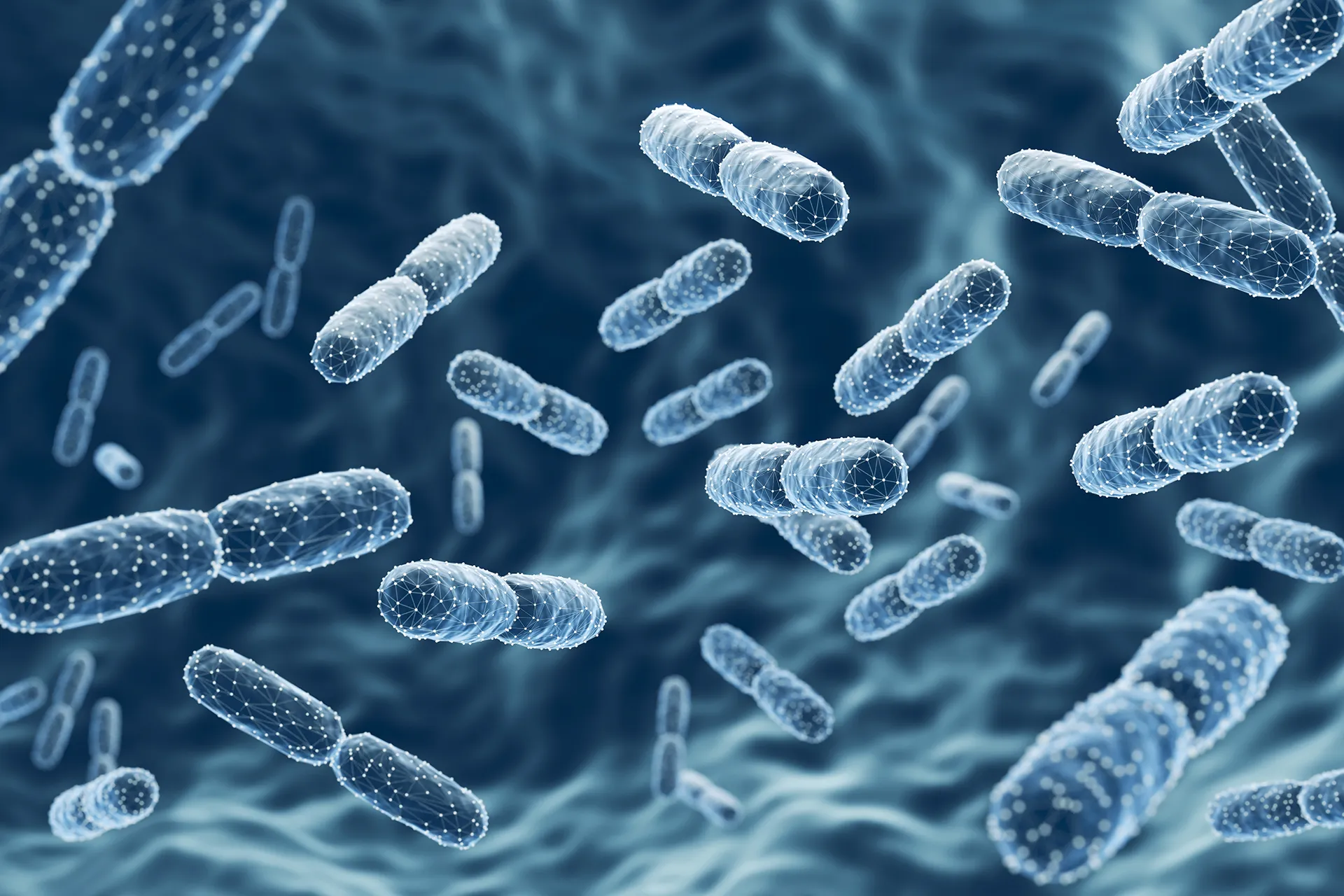
The results vary between certain and skeptical about the actual effect of Ramadan fasting on the distribution of microorganisms that colonize our digestive system. While some of them acknowledged the improvement that the body gained after fasting due to the recovery of beneficial bacteria specifically, others suggested that other factors, such as the type of food, the timing of eating meals, and their size, play a role in the number of microorganisms that are naturally present in our intestines (known as the microbiota).
What is the relationship of the microbiota to our overall health?
The benefits of fasting on the health of the body are still being revealed day after day. While some studies have confirmed that Ramadan fasting has a positive effect on heart health, enhancing metabolism, raising the level of cell vitality, and ridding the body of accumulated pathogens and damaged cells by stimulating the autophagy process, other studies have indicated that fasting may also control the microbiota in our intestines, thereby improving our health.
The bacteria in our intestines represent a vital source associated with various functions that enhance the health of the body and play a major role in strengthening our immune barrier to confront various diseases. They are also linked to immune, metabolic, and nervous functions, and are related to the endocrine glands responsible for producing hormones. Therefore, many who suffer from various health problems are searching for natural means that help them restore the diverse and rich composition of beneficial bacteria that coexist in our stomachs.
The intestine contains millions or even trillions of microorganisms that grow and multiply within it to perform a group of functions that are pivotal and important for the health of the body. It stands as an immune shield against the proliferation of harmful bacteria – for example – to ensure the required vital harmony there. It also contributes to the development and maturity of the immune system, in addition to its tasks in digesting food molecules to supply the body with the energy and other things it needs.
Bacteria constitute approximately 90% of the total microorganisms that live in the intestine, specifically within two main phyla, Bacteroidetes and Firmicutes. They are often able to maintain the normal level of their abundance in the intestine due to their flexibility and their ability to reproduce and restore balance again without significant change, despite the fact that they may be constantly exposed to various factors, such as drinking water rich in chlorine, food enhancers, antibiotics, and various pollutants that we may ingest with food particles, such as insecticides that have previously been used on the surface. Agricultural crops, heavy metals, etc., which requires adopting methods that preserve or even restore the vital communities of bacteria that live inside us, and we may lose them without intending to.
Is fasting alone enough to boost the gut microbiota?
A scientific review published in the journal Current Research in Biotechnology in 2025, prepared by a group of researchers, indicated the amazing ability of fasting to increase the diversity of the microbiota (specifically beneficial bacteria) in the intestines, and to enhance the growth of bacteria present in it, resulting in a noticeable improvement in the health of the body through its effect on metabolic indicators that include lowering high blood pressure, regulating glucose and fat levels, controlling body weight, and reducing the rate of inflammation.
In another study led by a group of researchers from the University of Chile, and published in the journal Nutrients in 2020, it included 12 healthy people who fasted during Ramadan. A group of researchers tried to find out the effect of fasting on the bacteria that live naturally in the intestine, and the extent to which this reflects on the health of the body compared before and after Ramadan, especially the rate of bacteria from Bacteroidetes to Firmicutes, which constitute the largest portion of microorganisms in the intestine.
The results indicated a decrease in the percentage of certain types of beneficial bacteria at the end of Ramadan. After analysis, it was found that the type of food consumed was one of the most important causes of these changes. Therefore, according to this study, fasting alone is not sufficient to control the bacterial presence in the intestines, and it is necessary to choose the types of food to obtain the greatest benefit from fasting.

Many studies confirm that the type of food, its quantity, and meal times during Ramadan quickly affect metabolic processes and the balance of gut bacteria.
For example, the population of Faecalicatena bacteria decreased with decreased fiber consumption, while the population of butyrate-producing Coprococcus bacteria increased with the intake of plant proteins and foods rich in complex sugars such as mushrooms, grains, and seaweed, altering the distribution of bacteria in the intestine.
In a systematic review published in 2024 under the supervision of a group of researchers from the University of Eastern Finland and others, which aimed to evaluate the effect of fasting on the microbiota in the human intestine, the results were mixed and indicate that fasting changes the bacterial diversity in the intestine. At the end of the fasting period (after 29 or 30 days), the growth rate of certain species may increase and other species may decrease in return.
However, this difference quickly returns to its previous state after the end of Ramadan, which means that it is a temporary change. This review also confirmed what the previous study stated that the diversity of the microbiota in the intestine depends on various factors, most notably the diet followed after breaking the daily fast.
Also, a group of researchers from prestigious research centers in Germany were able to reach a positive result that periodic fasting followed by following a specific diet (they relied on a special diet for patients with high blood pressure) enhances the balance of intestinal bacteria, with its effect being reflected in the immune response, so patients feel greater improvement as blood pressure decreases and returns to almost normal levels for longer periods. These positive results came exclusively after fasting followed by the diet, and not the diet alone.
Between food and fasting, what is required?
Studies recommend further research to actually and definitively verify the relationship of fasting with the microbiota, but until then the golden recommendation remains to make the most of fasting and reap the greatest amount of its health benefits, that we take into account the components of the food dishes that line our tables. Fruits and vegetables, along with legumes, whole grains, nuts and seeds, are what studies have recommended due to their ability to support the growth of beneficial bacteria in the intestines and maintain their balance.